Delhi Airport Terminal 2 Set for Grand Reopening with Enhanced Capacity

1 min read     Updated on 15 Sept 2025, 03:21 PM
scanx
Reviewed by
Ashish TScanX News Team
AI Summary

Delhi's Indira Gandhi International Airport's Terminal 2 will resume operations on October 26 after extensive renovations. The upgrade increases the airport's annual passenger capacity to 100 million. About 120 daily domestic flights by Air India and IndiGo will shift to T2. New features include self baggage drop systems, advanced boarding bridges, improved HVAC systems, and enhanced safety mechanisms. The terminal also boasts modern design elements and improved information displays.

powered bylight_fuzz_icon
19475484

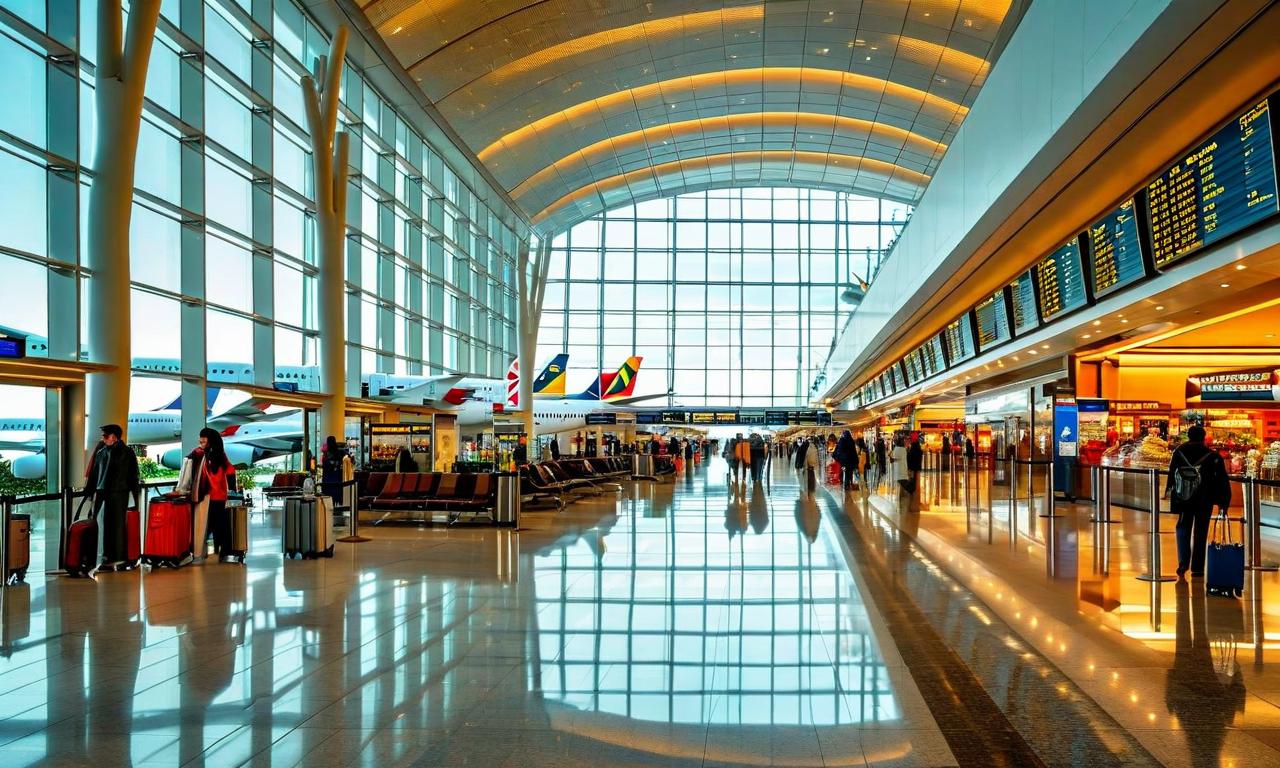
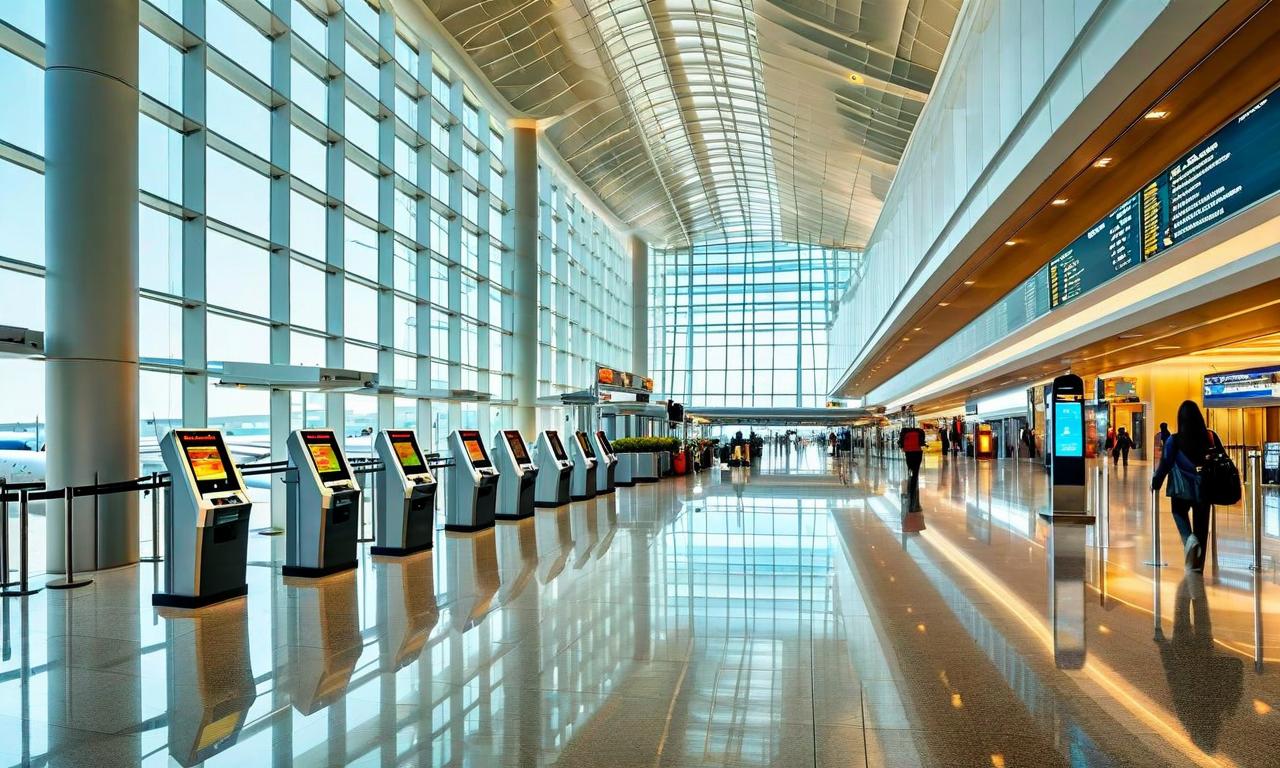
*this image is generated using AI for illustrative purposes only.

Delhi's Indira Gandhi International Airport is poised for a significant upgrade as Terminal 2 prepares to resume operations on October 26. The reopening marks the culmination of an extensive renovation project that began in April, promising to elevate the airport's annual passenger handling capacity to an impressive 100 million.

Operational Changes

The transition to the newly upgraded terminal will commence on the night of October 25-26, with approximately 120 daily domestic flights operated by Air India and IndiGo shifting their operations to T2. This move is expected to streamline passenger flow and enhance the overall travel experience at one of India's busiest airports.

Cutting-Edge Upgrades

The revamped Terminal 2 boasts a host of state-of-the-art features designed to improve efficiency and passenger comfort:

  • Self Baggage Drop Systems: Empowering travelers with more control over their check-in process.
  • Advanced Boarding Bridges: Six new passenger boarding bridges equipped with autonomous docking technology, sourced from South Korea, ensuring smoother and safer aircraft connections.
  • Enhanced Infrastructure: Improvements include upgraded HVAC systems for better climate control, advanced fire safety mechanisms, and reinforced electrical infrastructure to support the terminal's increased capacity.

Aesthetic and Functional Enhancements

The 40-year-old terminal, originally constructed by the Airports Authority of India, has undergone a remarkable transformation:

  • Modern Design Elements: New ceilings and innovative skylight designs create a more welcoming and spacious atmosphere.
  • Improved Information Displays: High-resolution flight information displays keep passengers well-informed and reduce confusion.

Looking Ahead

The reopening of Terminal 2 represents a significant milestone in Delhi Airport's development. By increasing the annual passenger handling capacity to 100 million, the airport is well-positioned to meet the growing demands of air travel in India's capital region.

As Delhi's Indira Gandhi International Airport continues to evolve, these upgrades are expected to enhance the passenger experience and strengthen the airport's position as a key hub for domestic and international travel in South Asia.

like19
dislike

Delhi Airport Sees 244% Surge in International Transit Passengers

1 min read     Updated on 01 Sept 2025, 11:25 PM
scanx
Reviewed by
Jubin VScanX News Team
AI Summary

Delhi International Airport Ltd (DIAL) reported a significant increase in international transit passengers, handling 1.34 million compared to 388,000 previously, marking a 244% growth. The airport now connects to about 150 global destinations, solidifying its position as a preferred transit hub. DIAL CEO Videh Kumar Jaipuriar emphasized their efforts to build a hub connecting continents, aligning with the Indian government's vision to establish Delhi as a leading international transit gateway.

powered bylight_fuzz_icon
18294931

*this image is generated using AI for illustrative purposes only.

Delhi International Airport Ltd (DIAL) has reported a significant increase in international transit passengers, solidifying its position as a preferred transit hub in the region. The Indira Gandhi International Airport, operated by the GMR Group-led DIAL, has seen remarkable growth in its transit passenger numbers, reflecting its expanding global connectivity and importance in international air travel.

Impressive Growth in Transit Passengers

According to DIAL's recent report, Delhi airport handled 1.34 million international transit passengers. This figure represents a substantial 244% increase from the 388,000 passengers recorded previously. The dramatic rise in transit passengers underscores the airport's growing significance as a key connection point for international travelers.

Enhanced Global Connectivity

A major factor contributing to this growth is the airport's extensive network. Delhi's Indira Gandhi International Airport now boasts connectivity to approximately 150 destinations worldwide. This wide-reaching network has played a crucial role in attracting more transit passengers and establishing Delhi as a major international transit gateway.

Strategic Vision Alignment

DIAL CEO Videh Kumar Jaipuriar emphasized the company's strategic direction, stating that they are actively working to build a hub that connects continents. This initiative aligns closely with the Government of India's vision to position Delhi as a leading international transit gateway.

Jaipuriar's statement reflects the airport's commitment to enhancing its infrastructure and services to meet the increasing demands of international travelers and to strengthen India's position in global aviation.

Implications for Delhi and India

The substantial increase in transit passengers at Delhi airport has several positive implications:

  1. Economic Boost: More transit passengers can lead to increased revenue for the airport and surrounding businesses.
  2. Global Connectivity: Enhanced connections benefit both business and leisure travelers, potentially attracting more international companies and tourists to India.
  3. Competitive Edge: The growth positions Delhi airport as a strong competitor to other major transit hubs in Asia.

As Delhi International Airport continues to expand its role as a global transit hub, it not only enhances India's aviation sector but also contributes to the country's broader economic and strategic objectives in the international arena.

like17
dislike

More News on