

Auto Industry Divided Over New CAFE 3 Fuel Efficiency Norms


The Bureau of Energy Efficiency (BEE) has introduced new Corporate Average Fuel Economy (CAFE) 3 norms for implementation in 2027. The regulations aim for CO2 emissions of 91.70 g/km and fuel efficiency of 3.73 L/100 km. The norms include weight-based exemptions for smaller cars, sparking debate among automakers. Maruti Suzuki supports the exemptions, while Tata Motors opposes them, advocating for uniform standards. The new norms are expected to increase manufacturing costs but improve long-term fuel efficiency. The industry faces challenges in meeting environmental standards while maintaining competitiveness and affordability.



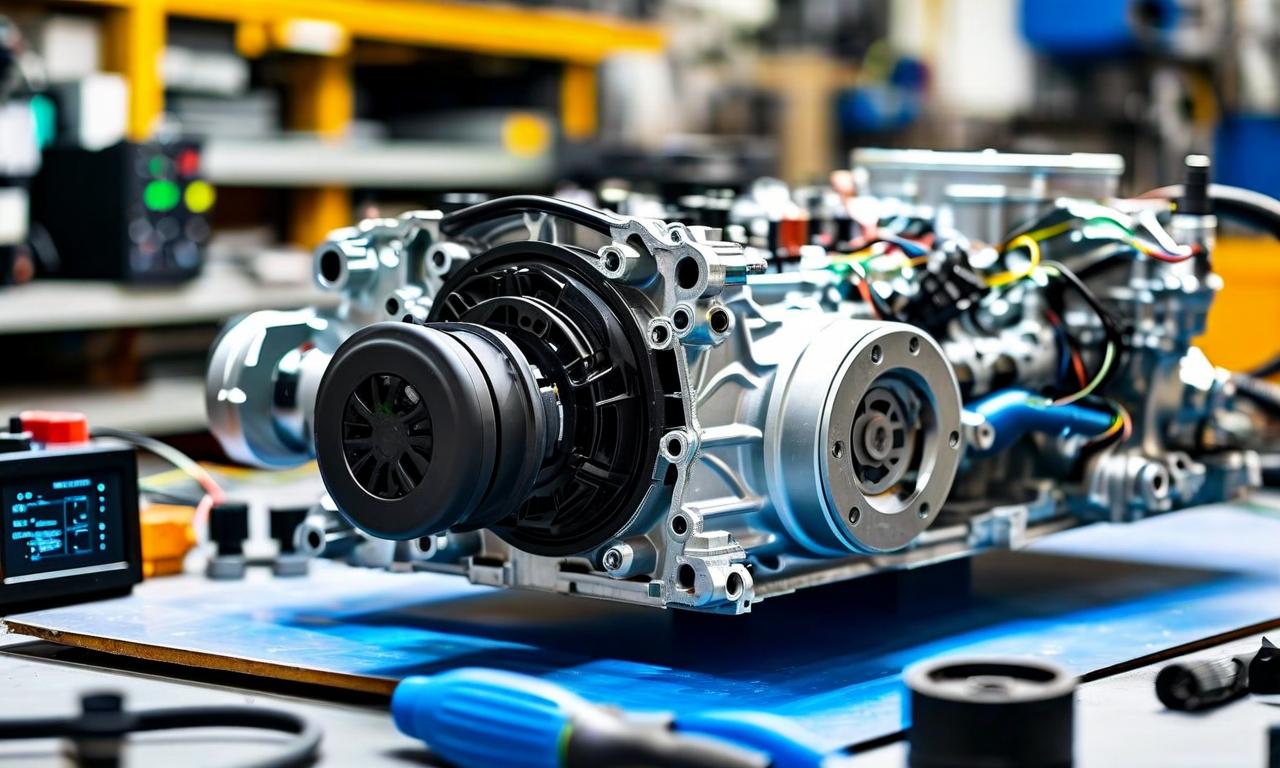
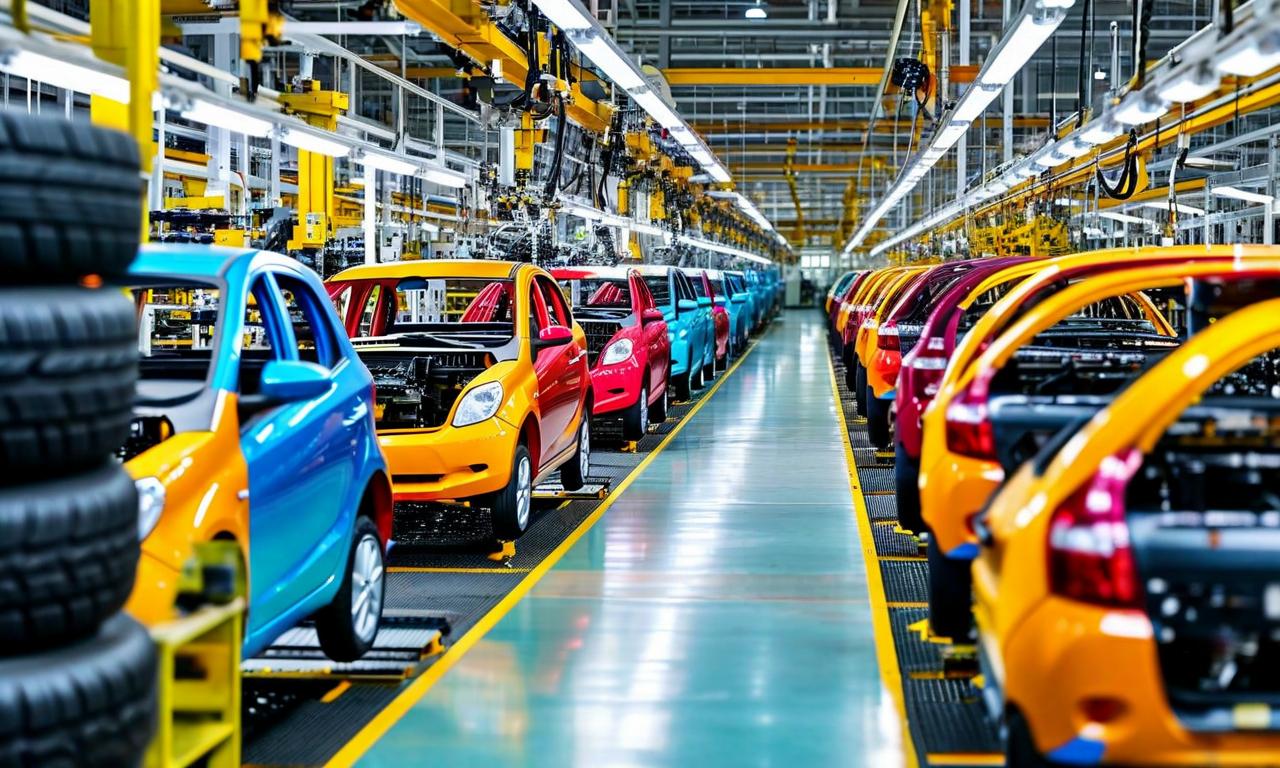
*this image is generated using AI for illustrative purposes only.
The Bureau of Energy Efficiency (BEE) has unveiled revised Corporate Average Fuel Economy (CAFE) 3 norms, setting ambitious targets for the Indian automotive industry. These new regulations, slated for implementation in 2027, have sparked a debate among major automakers, highlighting the complex balance between environmental concerns and industry practicalities.
Key Points of CAFE 3 Norms
| Aspect | Target |
|---|---|
| CO2 Emissions | 91.70 g/km |
| Fuel Efficiency | 3.73 L/100 km |
| Implementation Year | 2027 |
| Special Feature | Weight-based exemptions for smaller cars |
Industry Reactions
The new norms have elicited mixed responses from key players in the Indian auto industry:
- Maruti Suzuki: Supports the weight-based exemptions for smaller cars.
- Tata Motors: Opposes any leniency for small cars, advocating for uniform standards across the board.
This division underscores the complex challenges faced by automakers in meeting stringent environmental standards while maintaining competitiveness and affordability.
Implications for the Auto Industry
The implementation of CAFE 3 norms is expected to have far-reaching effects on the automotive sector:
- Increased Manufacturing Costs: Automakers may need to invest in new technologies and production processes to meet the stricter emissions and fuel efficiency standards.
- Long-term Fuel Efficiency: Despite potential initial costs, the norms aim to improve overall fuel efficiency in the long run, potentially benefiting consumers and the environment.
- Market Dynamics: The weight-based exemptions could influence product strategies, particularly for manufacturers specializing in smaller vehicles.
Conclusion
The introduction of CAFE 3 norms represents a significant shift in India's automotive regulatory landscape. As the industry grapples with these new standards, the debate between major players like Maruti Suzuki and Tata Motors highlights the complex interplay between environmental goals, technological capabilities, and market realities.
The coming years will be crucial as automakers adapt their strategies to comply with these regulations while maintaining their market positions. The success of these norms will depend on the industry's ability to innovate and the government's approach to balancing environmental concerns with economic factors.
 16
16









 Access 50+ Readymade Screeners
  Use 200+ Custom Filters
  Get Full Market Insights





