
 NewsAndhra Pradesh CM N. Chandrababu Naidu announces new spaceport at Hope Island for private launch missions
Andhra Pradesh CM N. Chandrababu Naidu announces new spaceport at Hope Island for private launch missions


Andhra Pradesh CM N. Chandrababu Naidu announced on January 17 a new spaceport at Hope Island in Kakinada Bay as part of the state's Space City initiative, primarily targeting private launch providers. This will make India's third spaceport alongside Sriharikota and the upcoming Kulasekharapatnam facility expected by 2027. The new facility is designed to complement ISRO's existing infrastructure by focusing on commercial launches and smaller rockets from private operators.

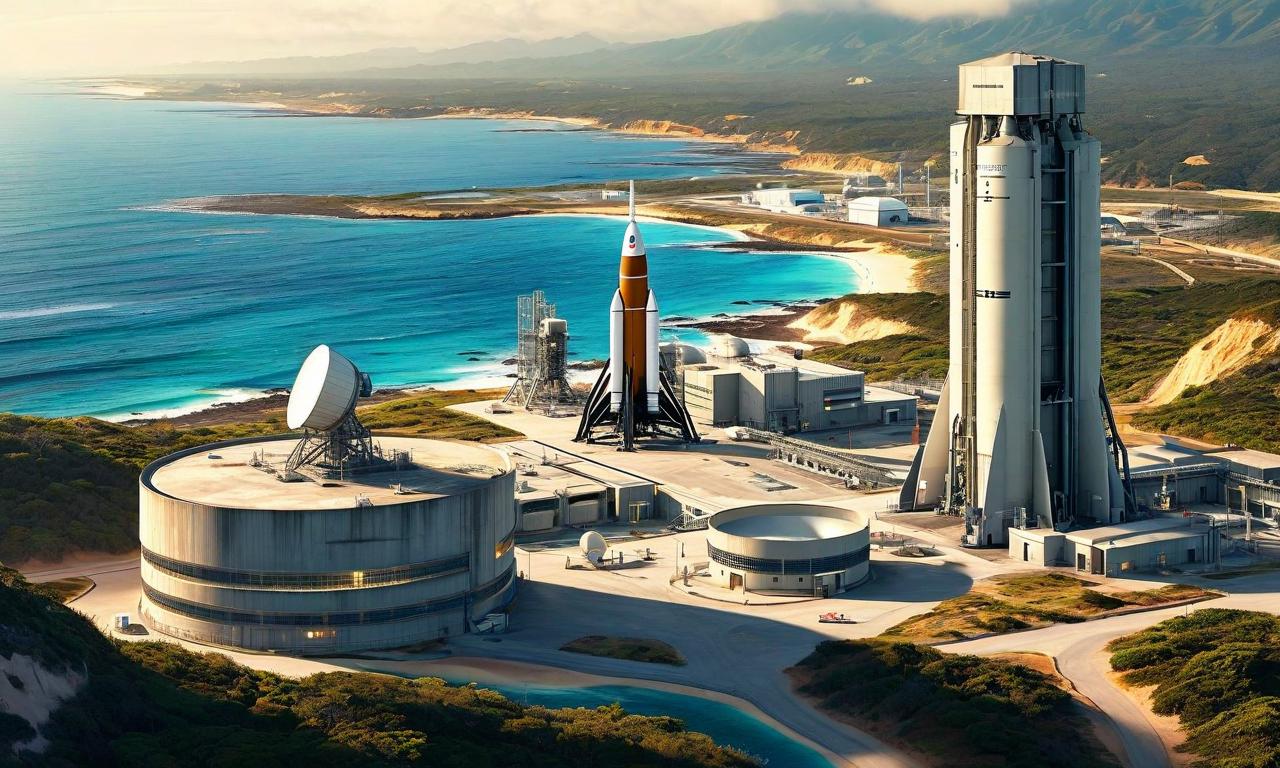

*this image is generated using AI for illustrative purposes only.
Andhra Pradesh Chief Minister N. Chandrababu Naidu announced on January 17 the establishment of a new spaceport at Hope Island in Kakinada Bay, marking a significant expansion in India's space launch infrastructure. The facility is positioned as part of the state's proposed Space City initiative and is expected to primarily support private launch providers.
India's Expanding Spaceport Network
With Naidu's announcement, India will operate three spaceports to serve different mission requirements:
| Facility | Location | Primary Focus |
|---|---|---|
| Satish Dhawan Space Centre (SDSC-SHAR) | Sriharikota | Major national missions |
| SSLV Launch Complex | Kulasekharapatnam | Polar orbit missions (ready by 2027) |
| Hope Island Spaceport | Kakinada Bay | Commercial/private launches |
The state government has not yet released specific timelines or technical specifications for the new Hope Island facility.
Focus on Commercial Launch Operations
Officials indicated that the Hope Island spaceport is being planned specifically with commercial launches in mind. This strategic positioning aligns with India's growing space ecosystem, which has seen increased participation from private companies developing small and medium-lift launch vehicles in recent years.
The new site is expected to complement ISRO's existing facilities rather than replace them. SDSC-SHAR will continue handling major national missions, while newer sites like Hope Island are being designed to handle specific orbital needs and accommodate smaller rockets from private operators.
Geographic Advantages for Launch Operations
Launch geography plays a crucial role in mission efficiency. Earth's rotation from west to east provides natural velocity boost to rockets launched eastward, with the planet's surface moving at approximately 1,650.00 km/h at the equator. This rotational speed decreases with latitude, reaching near zero at the poles.
Launch sites closer to the equator benefit significantly from this rotation, as rockets begin their flight with built-in horizontal velocity, reducing fuel requirements. However, polar orbit launches do not gain this advantage since their trajectory cuts across Earth's rotation.
Addressing Current Launch Path Limitations
Present launches into polar orbits from Sriharikota require a 'dog-leg' maneuver to avoid flying over Sri Lanka, which costs additional energy. While this adjustment is manageable for larger vehicles like PSLV, GSLV, and LVM3, smaller rockets face more significant penalties.
Vehicles such as SSLV, Vikram-1, and Agnibaan are more sensitive to these energy losses. To address this challenge, ISRO is already constructing the SSLV launch complex at Kulasekharapatnam, which will focus on polar orbit missions and support both ISRO and private players when ready by 2027.
The Hope Island spaceport represents Andhra Pradesh's commitment to becoming a major hub in India's expanding commercial space sector, providing dedicated infrastructure for the growing private launch industry.
 19
19








 Access Market Heat-map & Insights
  Create, Save & Share your Screener
  Use 200+ Screening Filters





