

AI Reshapes India's $250B IT Sector: Challenges and Opportunities Ahead


India's $250 billion IT industry is at a critical juncture as AI reshapes the global tech landscape. HSBC's Chief Asia Equity Strategist, Herald van der Linde, highlights potential obsolescence of current operations and workforce redeployment needs, balanced by opportunities in AI-related services and enhanced efficiency. The sector outlook remains stable with potential recovery by 2025. Key growth drivers include banking, financial services, and formal retail sectors. Investors are advised to focus on sustainable cash flows and profitability, especially when considering high-valued new-age companies. The Indian market offers diverse growth themes across infrastructure, fintech, consumer tech, and manufacturing sectors.



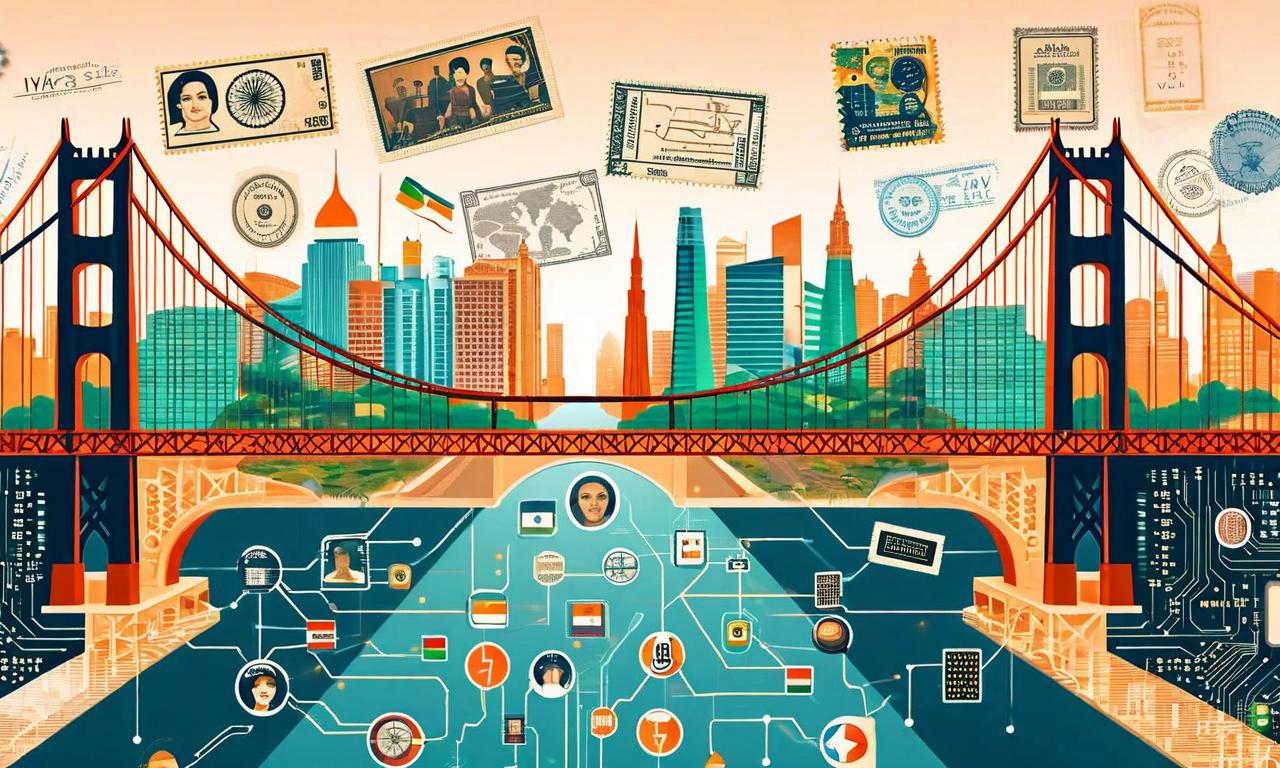
*this image is generated using AI for illustrative purposes only.
India's $250-billion IT industry stands at a crossroads, facing both significant challenges and promising opportunities as artificial intelligence (AI) continues to reshape the global technology landscape. Herald van der Linde, Chief Asia Equity Strategist at HSBC, recently shared insights on the sector's outlook and the broader Indian market dynamics.
AI's Impact on Indian IT
The integration of AI into various business processes presents a double-edged sword for Indian IT companies:
| Challenges | Opportunities |
|---|---|
| Potential obsolescence of current operations | Expansion of capabilities through AI integration |
| Need for workforce redeployment | Growth in AI-related services and solutions |
| Adaptation to rapidly evolving technology landscape | Enhanced efficiency and productivity |
Van der Linde emphasizes the importance of Indian IT firms critically examining their current operations to identify areas that may become obsolete due to AI advancements. This proactive approach will be crucial for companies to remain competitive and relevant in the evolving tech ecosystem.
Sector Outlook and Growth Drivers
Despite the challenges posed by AI, the outlook for India's IT sector remains relatively stable:
- Modest Outlook: The IT sector is expected to maintain stability in the near term.
- Potential Recovery: Growth prospects may improve as the overall economy and rupee stabilize, potentially by 2025.
Van der Linde also highlighted key drivers for India's next growth cycle:
- Banking and Financial Services: Expected improvements in asset quality and profitability.
- Formal Retail: Ongoing formalization of the retail sector.
These sectors are poised to play a significant role in shaping India's economic landscape in the coming years.
Investment Considerations
For investors eyeing the Indian market, van der Linde offered some cautionary advice:
- New-Age Companies: High valuations in companies like Zomato, Swiggy, and Lenskart warrant careful consideration.
- Focus Areas: Investors should prioritize sustainable cash flows and profitability over sales multiples.
India's Market Ecosystem
The Indian market presents a diverse ecosystem supporting multiple growth themes:
| Growth Themes | Examples |
|---|---|
| Infrastructure | Construction, Urban Development |
| Financial Technology | Digital Payments, Online Banking |
| Consumer Tech | E-commerce, Food Delivery |
| Manufacturing | Make in India Initiative |
This diversity offers investors a wide range of opportunities across various sectors and industries.
Conclusion
As India's IT industry navigates the challenges and opportunities presented by AI, it will be crucial for companies to adapt quickly, invest in reskilling their workforce, and leverage AI to enhance their service offerings. The sector's ability to embrace these changes will likely determine its future growth trajectory and global competitiveness.
 15
15










 Access 50+ Readymade Screeners
  Use 200+ Custom Filters
  Get Full Market Insights





