

Salubris Refiles HK IPO As Innovative Drug Share Hits 54.8%


- Shenzhen Salubris Pharmaceuticals refiles for HK IPO with Goldman Sachs, Citi, CITIC Securities
- H1FY26 revenue rose 16.3% to 2.48 billion yuan; net profit was ~390 million yuan
- Innovative drugs now account for 54.8% of pharma revenue in H1FY26, up from 30.1% in 2023
- Flagship drug XinLiTan patent expired in July 2026, risking market share to generics
- Company holds strong cash flow, distributing >7.8 billion yuan in dividends since 2009

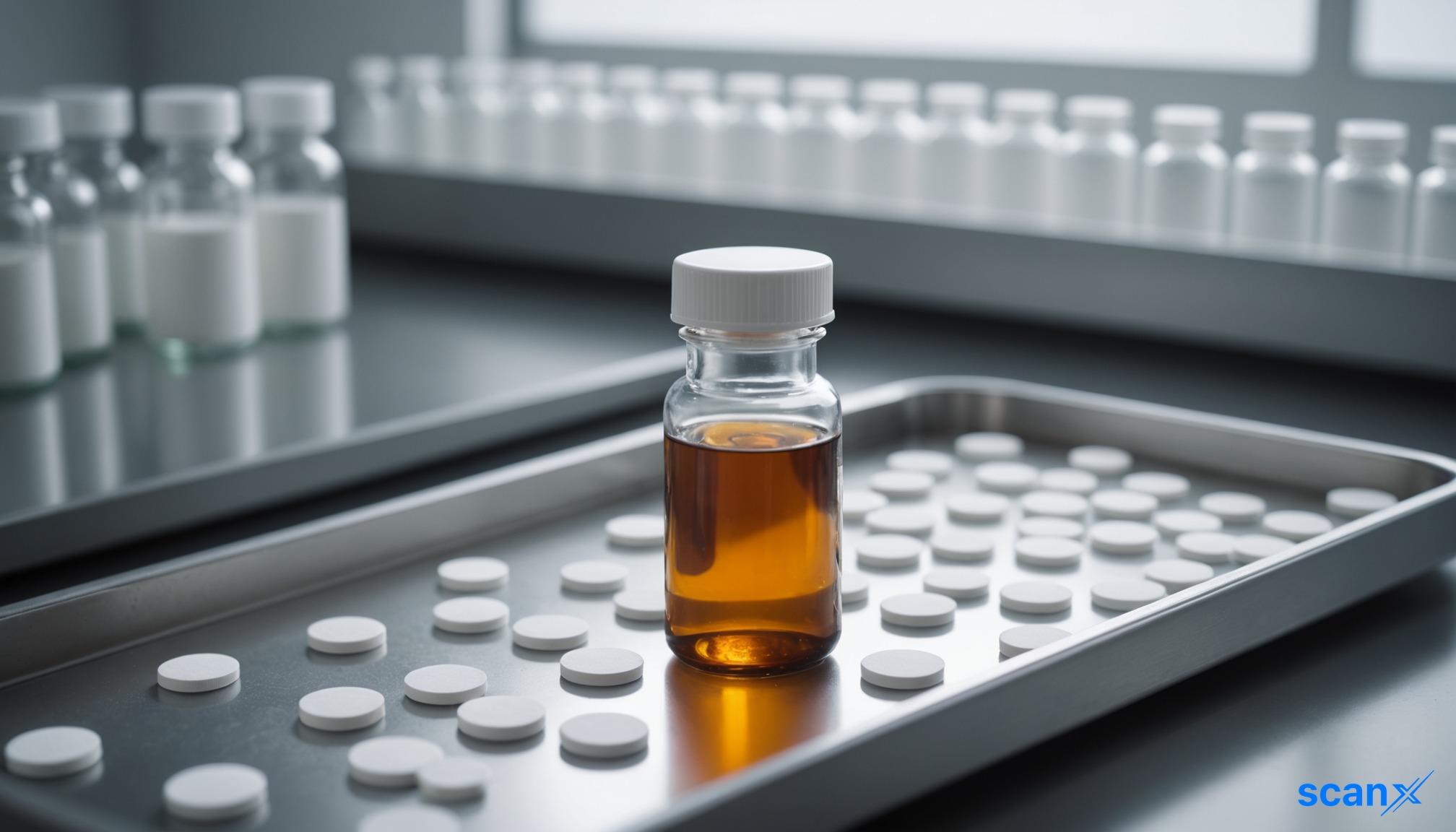

*this image is generated using AI for illustrative purposes only.
Shenzhen Salubris Pharmaceuticals Co. Ltd (002294.SZ) has refiled its application for a Hong Kong Stock Exchange listing, aiming to access international capital and partnerships as it transitions from generics to innovative therapies.
The cardiovascular drug maker filed the application in early September with Goldman Sachs, Citigroup, and CITIC Securities as joint sponsors. The move follows 17 years on the mainland stock market and aligns with peers like Fosun Pharma and Hengrui Pharma seeking dual listings amid domestic price pressures.
Financial Performance
Salubris reported steady revenue growth, driven by its shift toward higher-margin innovative drugs. In the first half of FY26, revenue grew 16.3% to 2.48 billion yuan ($371 million), while net profit reached approximately 390 million yuan.
| Metric | FY25 | FY24 | FY23 |
|---|---|---|---|
| Revenue | 4.35 billion yuan | 4.01 billion yuan | 3.37 billion yuan |
| Net Profit | 653 million yuan | 605 million yuan | 581 million yuan |
Over the three-year period from 2023 to 2025, revenue compounded at an annual growth rate of about 13.7%. Operating cash flows remained robust, with annual net cash inflows from operating activities ranging between 839 million yuan and 1.19 billion yuan.
What the Numbers Show
The company’s revenue mix is undergoing a structural shift that supports margin expansion despite volume pressures in generics. While generic sales declined from 48.8% to 30% of total pharmaceutical sales between 2023 and 2025, innovative drug contributions rose from 30.1% to 52.1% over the same period. This mix shift coincided with gross profit margins expanding from 68.3% to 74.6%. However, selling and distribution expenses surged to 1.76 billion yuan last year, equivalent to more than 40% of revenue, reflecting the high cost of launching new products.
Patent Expiry Risks
Salubris’ flagship hypertension drug, XinLiTan, generated 1.48 billion yuan in sales in 2025, accounting for nearly 40% of total pharmaceuticals revenue. However, the patent covering its active ingredient expired in July 2026. Although formulation patents remain valid until 2028, the compound patent expiry allows competitors to develop generics using the same active ingredient. Salubris acknowledges in its filing that market share could slip as lower-priced generics enter the market.
To mitigate this risk, the company has accelerated launches of new CKM (cardiovascular, kidney, metabolic) drugs. From 2024 to 2025, approvals included FuLiTan, XinLiTing, XinChaoTuo, and FuLiAn. XinChaoTuo is noted as China’s first home-produced novel drug in the ARNi hypertension category. The pipeline now includes 79 innovative drugs across small molecules, antibodies, siRNA, cyclic peptides, and gene editing.
Strategic Outlook
Unlike many unprofitable biotechs, Salubris maintains ample cash flow, having distributed more than 7.8 billion yuan in dividends since its 2009 Shenzhen listing—more than twice the amount raised from the market. The Hong Kong listing is positioned to facilitate overseas clinical trials and international collaborations rather than immediate capital needs.
In 2025, Salubris ranked second in China’s in-hospital cardiovascular drug market with an 11.3% share. The company continues to face pressure from volume-based procurement policies, which have reduced the retail price of its core generic product TaiJia from 14.5 yuan to 6.99 yuan per pack in the first half of 2026.

How might the July 2026 patent expiry for XinLiTan impact Salubris' revenue trajectory before the new CKM drugs can fully offset the loss of market share to generic competitors?
Given that selling and distribution expenses exceed 40% of revenue, will the capital raised from the Hong Kong listing be sufficient to sustain the high cost of commercializing its 79-drug pipeline without eroding margins?
To what extent will the dual-listing strategy enable Salubris to secure international partnerships for overseas clinical trials compared to its peers like Fosun Pharma and Hengrui Pharma?
 17
17





 Create Custom Screeners
  Access 200+ Pre-built Filters
  Use 50+ Readymade Screener





