US Seizure of Venezuela Oil Tankers Threatens Cuba's Critical Energy Supply


The US seized two more Venezuela-linked oil tankers on Wednesday, threatening Cuba's critical energy supply that covers 50% of the island's oil deficit. The seizures of 'Marinera' and 'M Sophia' mark the fourth interception since the US blockade began in mid-December. Cuba received an average of 27,000 barrels per day from Venezuela between January and November, making this supply essential for the island's energy security. Cuban residents are already experiencing shuttered gas stations and long fuel lines, with fears of worsening power cuts as alternative supply options remain limited.
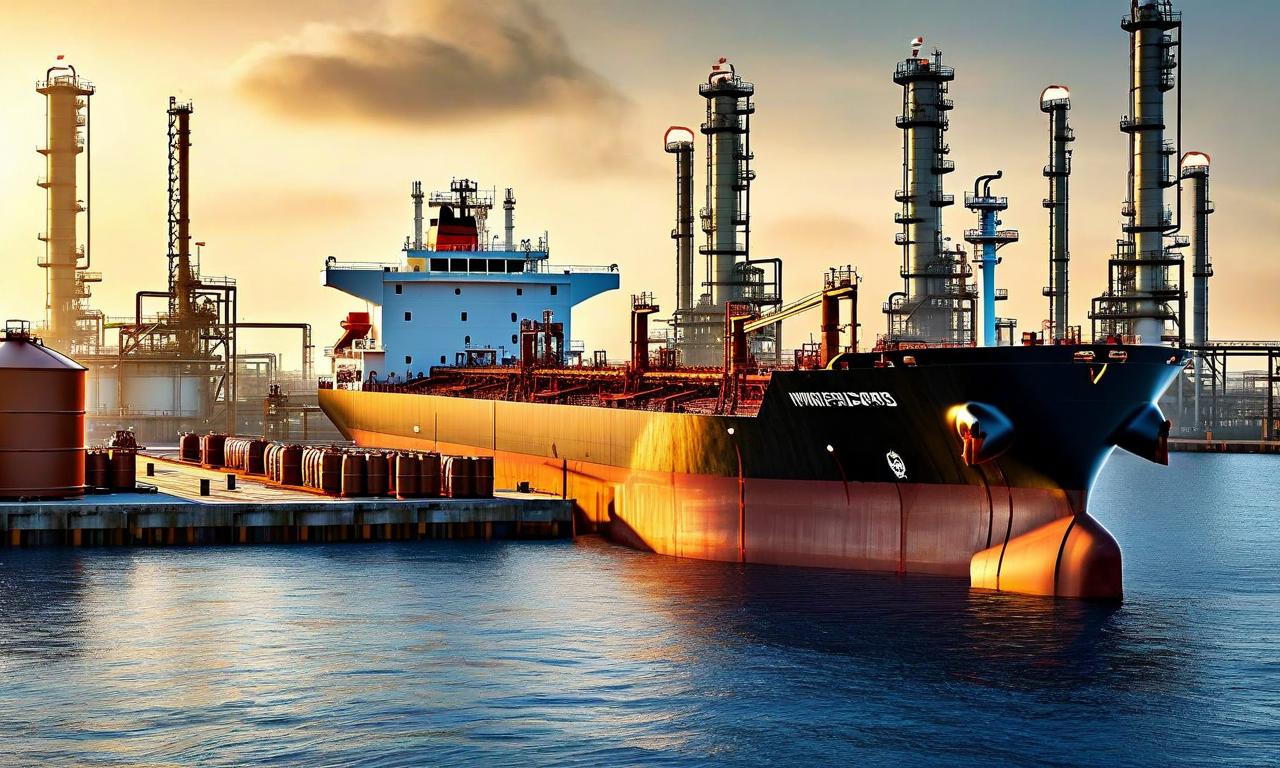
*this image is generated using AI for illustrative purposes only.
The United States escalated its pressure campaign against Venezuela on Wednesday by seizing two more oil tankers, a move that threatens to cut off a critical energy lifeline for Cuba. The seizures have sparked concerns among Cuban residents about worsening power outages and deepening economic hardship on the Communist-run island.
Latest Tanker Seizures Intensify Blockade
The US military seized the Russian-flagged tanker 'Marinera' in the Atlantic near Iceland after a two-week pursuit, according to US officials. Earlier the same day, the US Coast Guard intercepted another Venezuela-linked vessel, the 'M Sophia,' northeast of South America. These actions mark the fourth such interception since Washington imposed a blockade on all sanctioned vessels entering and leaving Venezuelan waters in mid-December.
| Vessel Details: | Information |
|---|---|
| Tanker 1: | 'Marinera' (Russian-flagged) |
| Seizure Location: | Atlantic near Iceland |
| Pursuit Duration: | Two weeks |
| Tanker 2: | 'M Sophia' |
| Interception Area: | Northeast of South America |
| Total Seizures: | Fourth since mid-December blockade |
Critical Impact on Cuba's Energy Supply
For Cuba, the loss of Venezuelan oil represents a devastating blow to the island's energy security. Between January and November of last year, Venezuela supplied an average of 27,000 barrels per day to Cuba, according to shipping data and documents from Venezuelan state oil company PDVSA. This supply covered approximately 50% of Cuba's oil deficit, making it an essential component of the island's energy infrastructure.
| Cuba's Oil Supply: | Details |
|---|---|
| Venezuelan Supply: | 27,000 barrels per day (average) |
| Coverage Period: | January-November (last year) |
| Deficit Coverage: | Approximately 50% |
| Source: | PDVSA documents and shipping data |
Mounting Supply Shortages Across Cuba
The impact of the US actions is already visible across Cuba, particularly in the port city of Matanzas where oil tankers typically dock. Residents are witnessing shuttered gas stations and increasingly long fuel lines, reflecting the mounting supply shortages. The situation has raised fears that the already-frequent, hours-long power cuts experienced across the island will worsen significantly.
William Gonzalez, a Matanzas resident, expressed concern about the deteriorating situation. He noted that while Cuba previously received oil from both Venezuela and Russia, the country now faces the prospect of relying solely on Russian supplies, representing one less critical source of energy.
Limited Alternative Supply Options
While Mexico has emerged as an important supplier for Cuba, President Claudia Sheinbaum clarified on Wednesday that Mexico is not increasing its oil shipments to Cuba beyond historical levels. This statement suggests that Cuba cannot easily replace the lost Venezuelan supply through alternative sources, potentially exacerbating the energy crisis.
Cuban Response to Escalating Pressure
The aggressive US posture has generated mixed reactions among Cuban residents, ranging from anger to grim determination. Business owner Mario Valverde in Havana acknowledged the severe implications, noting that Venezuela was one of the countries that helped Cuba most with energy and fuel supplies. Meanwhile, resident Manuel Rodriguez expressed dissatisfaction with the US approach, indicating that Cubans would endure potential blackouts and resist the pressure despite the hardships.
 20
20