US Pledges $2B for UN Humanitarian Aid as Trump Warns Agencies Must 'Adapt or Die'


The Trump administration announced a $2 billion humanitarian aid pledge to the UN, representing an 88% reduction from previous funding levels of up to $17 billion annually. The new centralized funding model through OCHA demands major UN reforms and will initially target 17 countries including Ukraine, Syria, and Haiti, while excluding Afghanistan and Yemen due to concerns over aid diversion.
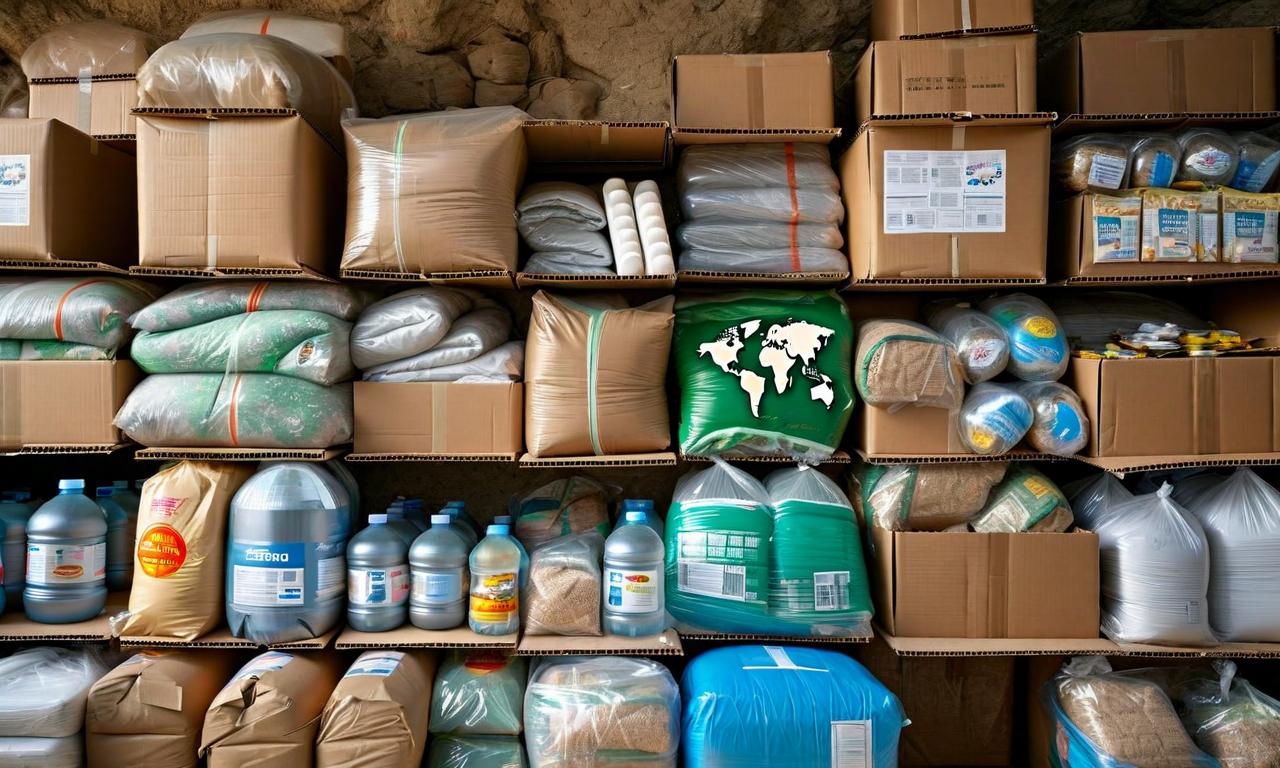
*this image is generated using AI for illustrative purposes only.
The United States announced a $2 billion pledge for UN humanitarian aid as President Donald Trump's administration implements sweeping cuts to foreign assistance and warns United Nations agencies they must "adapt, shrink or die" in the face of new financial realities. The funding represents a dramatic reduction from previous levels but maintains America's position as the world's largest humanitarian donor.
Administration's Reform Demands
Secretary of State Marco Rubio outlined the administration's vision for a restructured humanitarian aid system. "This new model will better share the burden of UN humanitarian work with other developed countries and will require the UN to cut bloat, remove duplication, and commit to powerful new impact, accountability and oversight mechanisms," Rubio stated.
The State Department delivered a stark message to UN agencies, declaring they must "adapt, shrink, or die." Jeremy Lewin, the State Department official overseeing foreign assistance, emphasized the administration's position: "The piggy bank is not open to organisations that just want to return to the old system. President Trump has made clear that the system is dead."
Funding Comparison and Structure
The $2 billion commitment represents a substantial reduction from historical US contributions to UN humanitarian programs:
| Funding Category | Previous Amount | New Amount | Reduction |
|---|---|---|---|
| Total Annual Contribution | Up to $17 billion | $2 billion | -88% |
| Voluntary Contributions | $8-10 billion | Included in $2 billion | Significant decline |
| Funding Mechanism | Direct agency funding | Pooled fund via OCHA | Centralized approach |
The new funding structure creates an umbrella fund managed through the UN Office for the Coordination of Humanitarian Affairs (OCHA), allowing for more centralized distribution rather than scattered contributions to individual agencies.
Targeted Country Support
The funding will initially support humanitarian efforts in seventeen countries, with specific focus areas identified:
Countries Included:
- Bangladesh
- Democratic Republic of the Congo
- Haiti
- Syria
- Ukraine
Notable Exclusions:
- Afghanistan (concerns over aid diversion to Taliban)
- Yemen (concerns over aid diversion to Houthi rebels)
- Palestinian territories (to be addressed under Trump's Gaza peace plan)
UN Response and Global Context
Tom Fletcher, who heads OCHA and spent months lobbying US officials, expressed cautious optimism about the agreement. "It's a very, very significant landmark contribution. A month ago, I would have anticipated the number would have been zero," Fletcher told reporters in Geneva. When asked about the administration's "adapt or die" language, Fletcher responded: "If the choices are adapt or die, I choose adapt."
UN Secretary-General Antonio Guterres welcomed the announcement, stating that "every dollar counts" amid the organization's severe funding crisis. The UN had launched a $23 billion humanitarian appeal, representing roughly half of what it estimates is required to address global needs.
Broader Impact on UN Operations
The funding reduction has already forced significant operational changes across UN agencies:
| Impact Category | Affected Population | Consequence |
|---|---|---|
| Education Access | 23 million children | Loss of educational services |
| Healthcare Access | Up to 95 million people | Deprivation of basic healthcare |
| Refugee Support | 11 million refugees | Potential loss of aid access |
The International Rescue Committee reported that the US State Department has terminated more than 10,000 foreign aid grants and contracts, forcing dozens of programs to close. UN human rights experts have described the aid suspension as a humanitarian emergency, with estimates linking over 350,000 deaths to the aid freeze.
Strategic Shift in US Foreign Policy
US Ambassador to the United Nations Mike Waltz framed the changes as a strategic reset: "This humanitarian reset at the United Nations should deliver more aid with fewer tax dollars — providing more focused, results-driven assistance aligned with US foreign policy."
The administration's approach reflects Trump's longstanding view that the UN has failed to live up to its potential while undermining American interests. Lewin emphasized the administration's broader peace objectives: "The best thing that we can do to decrease costs, and President Trump recognizes this and that's why he's the president of peace, is by ending armed conflict and allowing communities to get back to peace and prosperity."
Despite polling showing that two-thirds of Americans oppose the scale of the cuts, the administration maintains that the restructured approach will improve efficiency while addressing the most critical humanitarian needs through reformed UN operations.
 17
17