

Uber Aims for 100,000 Nvidia-Powered Autonomous Vehicles by 2027


Uber Technologies Inc. is collaborating with Nvidia to launch a fleet of 100,000 autonomous vehicles starting in 2027. This partnership expands on their January agreement for data sharing to enhance AI models and chip technology for self-driving cars. Stellantis will contribute at least 5,000 Nvidia-powered robotaxis by 2028. Uber will manage remote assistance, charging, cleaning, maintenance, and customer support for the fleet. The company already operates limited autonomous services with Waymo and WeRide in select locations. A key component of the partnership is the development of a robotaxi data factory, with Uber collecting driving data and Nvidia providing processors and AI models.
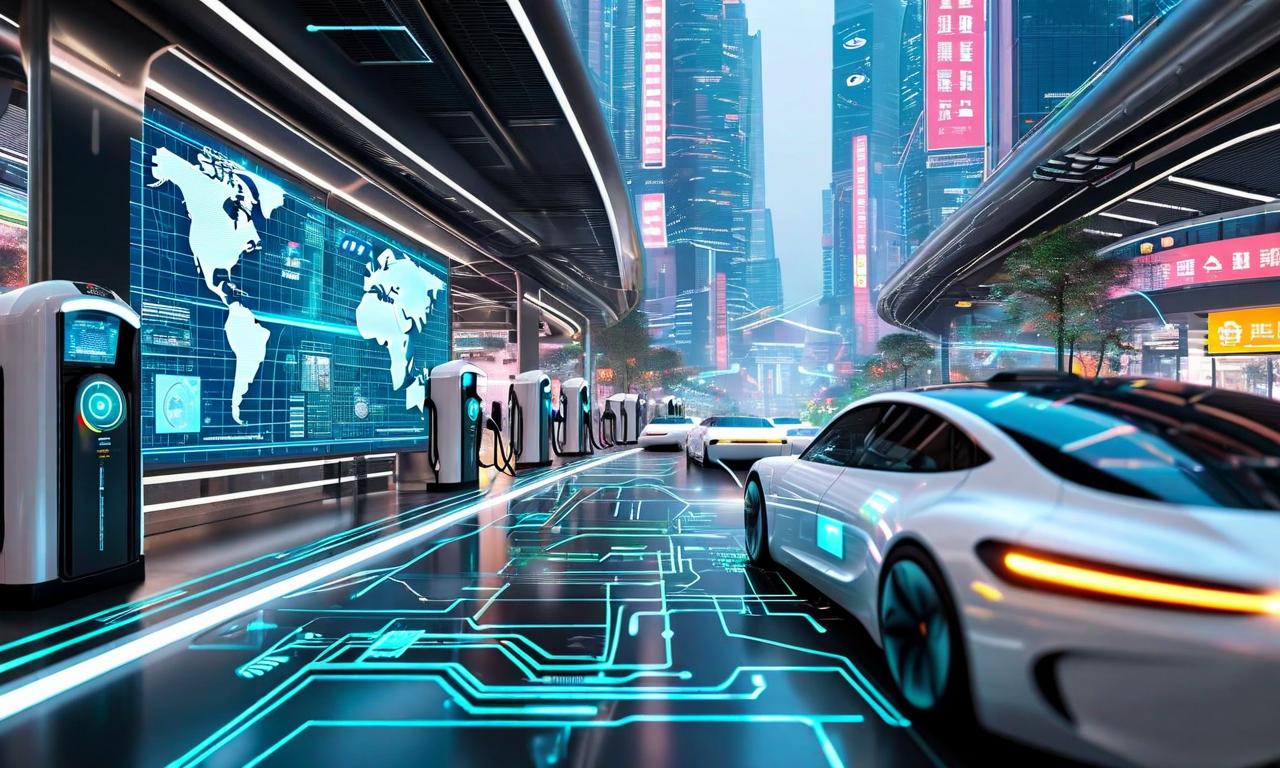

*this image is generated using AI for illustrative purposes only.
Uber Technologies Inc. is gearing up for a significant leap in autonomous vehicle technology, partnering with Nvidia to deploy a fleet of 100,000 self-driving cars. This ambitious plan, set to commence in 2027, marks a pivotal moment in Uber's strategy to integrate autonomous vehicles into its ride-hailing service.
Partnership Details
The collaboration between Uber and Nvidia builds upon their January agreement, where Uber committed to sharing driving data to enhance Nvidia's AI models and chip technology for autonomous vehicles. This data-sharing initiative aims to improve the safety and efficiency of self-driving technology.
Stellantis' Role
Stellantis, a major automaker, is slated to be among the first to contribute to this initiative:
| Detail | Information |
|---|---|
| Vehicles to be delivered | At least 5,000 |
| Type | Nvidia-powered robotaxis |
| Production target | 2028 |
| Deployment | US and international markets |
Uber's Responsibilities
Uber plans to take charge of several key aspects of the autonomous fleet operations:
- Remote assistance
- Charging
- Cleaning
- Maintenance
- Customer support
Current Autonomous Operations
While the 2027 goal is ambitious, Uber is not new to autonomous ride services:
| Location | Partner |
|---|---|
| Austin and Atlanta | Waymo |
| Abu Dhabi and Saudi Arabia | WeRide |
However, the current autonomous fleet size remains limited to hundreds of vehicles, a fraction of Uber's millions of human drivers.
Robotaxi Data Factory
A significant component of this partnership is the development of a robotaxi data factory. This initiative involves:
- Uber collecting over three million hours of driving data for autonomous vehicle development
- Nvidia providing processors, AI models, and associated tools
This data factory is expected to play a crucial role in refining and improving autonomous driving technology.
The move towards a large-scale autonomous fleet represents a significant shift in Uber's operational model and could have implications for the ride-hailing industry, urban transportation, and the future of mobility.
 17
17






 Access Market Heat-map & Insights
  Create, Save & Share your Screener
  Use 200+ Screening Filters





