Trump considers diesel export ban, cites Hormuz control

scanx
Reviewed by
Shriram SScanX News Team
Key Highlights
  • Trump said he is considering a diesel export ban daily but warned it could have a negative impact on gasoline
  • On long-term Treasury auctions, Trump said Bessent "has good instincts"
  • Trump claimed the U.S. has "total control of the Strait of Hormuz"
powered bylight_fuzz_icon
52349577

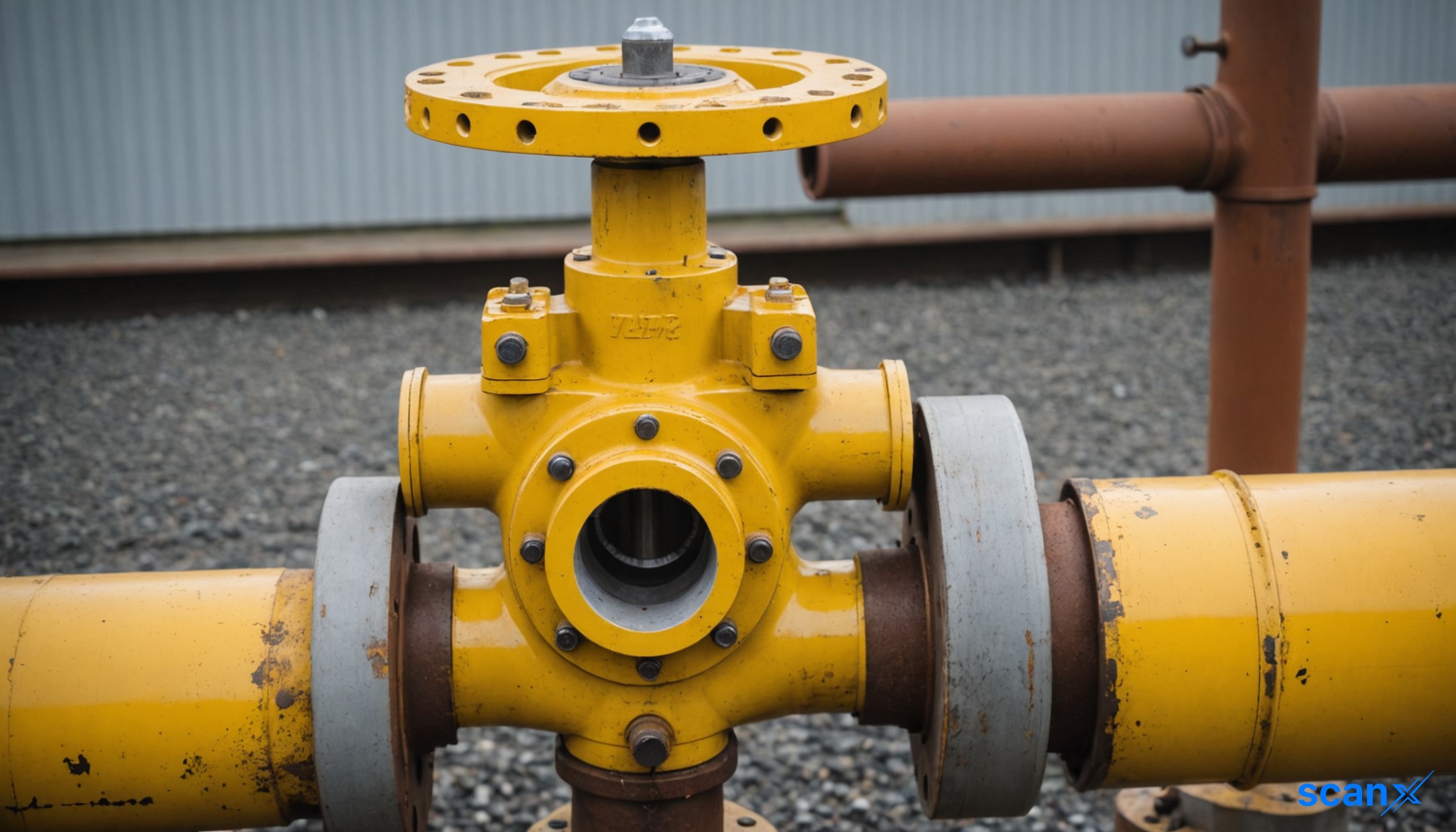
*this image is generated using AI for illustrative purposes only.

Trump stated he is considering a diesel export ban on a daily basis, while cautioning that such a move could have a negative impact on gasoline.

Key policy remarks from Trump

On long-term Treasury auctions, Trump expressed confidence in Treasury Secretary Bessent, saying Bessent "has good instincts." The remarks signal alignment between Trump and Bessent on the management of long-term government debt issuance.

Diesel export ban and energy market implications

Trump confirmed he reviews the possibility of a diesel export ban daily. He acknowledged the measure carries a trade-off, noting it could have a negative impact on gasoline markets if enacted. No timeline or formal decision was indicated in the remarks.

Strait of Hormuz claim

Trump also asserted that the U.S. has "total control of the Strait of Hormuz," a strategically significant waterway for global energy shipments. The statement was made alongside the energy and fiscal policy comments without further elaboration on the basis for the claim.

Topic Trump's Statement
Long-term Treasury auctions Bessent "has good instincts"
Diesel export ban Considering it daily; could negatively impact gasoline
Strait of Hormuz U.S. has "total control"
Disclaimer: This article is AI-generated using data from LiveSquawk. ScanX is not liable for any inaccuracies.

How might global diesel refiners and exporters adjust their supply chain strategies in anticipation of potential U.S. export restrictions?

What specific market mechanisms would transmit a U.S. diesel export ban into negative price volatility for domestic gasoline?

How could the assertion of 'total control' over the Strait of Hormuz influence geopolitical risk premiums in oil futures markets?

like17
dislike

Trump cites Kim friendship to justify North Korea nukes, keeps Iran talks open

scanx
Reviewed by
Shriram SScanX News Team
Key Highlights
  • Trump attributes North Korea's nuclear development to previous U.S. presidents' failures
  • Personal rapport with Kim Jong Un cited as key factor in maintaining regional stability
  • Pentagon ordered to reduce joint U.S.-South Korea military exercises due to cost and diplomacy
  • Sanctions relief offered to Iran contingent on concrete progress in nuclear program
powered bylight_fuzz_icon
52292615

*this image is generated using AI for illustrative purposes only.

President Donald Trump defended his relationship with North Korean leader Kim Jong Un while arguing that previous U.S. administrations failed to prevent Pyongyang from developing its nuclear capabilities. Speaking after meeting with AI leaders at the White House on Tuesday, Trump attributed North Korea's nuclear status to past leadership rather than current policy.

Trump defends personal ties with Kim

When asked why Iran cannot possess nuclear weapons while North Korea has already developed a significant arsenal, Trump stated, "You know why? Because you had a different president. And they could have stopped him." He described Kim as "a friend of mine," adding, "I’m about the only person in the entire world that he likes, and I like him."

Trump acknowledged that North Korea possesses a "pretty large" nuclear capability, though he noted it is not comparable to the U.S. arsenal. He emphasized the stability of this relationship, stating, "As long as I’m around, he’s going to be fine," because "he respects me and he likes me."

Strategic shifts in regional policy

The President’s comments follow recent diplomatic and military adjustments regarding the Korean Peninsula. Last month, Trump revealed that Kim responded to his outreach for talks, though specific details were not disclosed. He further defended the relationship by noting that Kim had treated him with "great respect" and that they understood each other.

In a move reflecting this diplomatic stance, Trump ordered the Pentagon to substantially reduce joint U.S.-South Korea military exercises. The decision cited three factors:

  • The cost of the exercises
  • His personal relationship with Kim
  • South Korea’s refusal to join U.S. efforts involving Iran

Despite the order, the Ulchi Freedom Shield drills continued as scheduled, with approximately 18,000 South Korean troops participating.

Iran negotiations remain conditional

While maintaining a friendly posture toward Pyongyang, Trump kept diplomatic channels open with Tehran. On Monday, he indicated openness to easing sanctions on Iran and releasing frozen Iranian funds in exchange for "concrete progress" on its nuclear program.

Current U.S.-Iran talks have been described as "positive and constructive," yet significant divisions remain. Both sides are at an impasse over the sequencing of concessions: whether sanctions relief or nuclear curbs should be implemented first.

Disclaimer: This article is AI-generated using data from ViewTrade. ScanX is not liable for any inaccuracies.

How might the reduction in joint U.S.-South Korea military exercises impact Seoul's long-term security guarantees and potential push for independent nuclear capabilities?

What are the geopolitical implications for China and Russia if the U.S. prioritizes personal diplomacy with Kim Jong Un over traditional alliance structures in the Indo-Pacific?

Could the linkage between South Korea's refusal to join Iran-related efforts and reduced military drills set a precedent for transactional alliances elsewhere?

like16
dislike