Trump Says Modi 'Not Happy' Over Tariffs as India Reduces Russian Oil Imports

1 min read     Updated on 05 Jan 2026, 08:49 PM
scanx
Reviewed by
Shraddha JScanX News Team
Overview

US President Trump disclosed that PM Modi expressed dissatisfaction with tariffs imposed on India, particularly the 25% levy on Russian oil purchases in addition to 50% general tariffs. Despite diplomatic tensions, Trump emphasized their good relationship and revealed India's five-year wait for 68 Apache helicopters, which his administration is working to expedite.

29171985

*this image is generated using AI for illustrative purposes only.

US President Donald Trump revealed that Prime Minister Narendra Modi is "not that happy with me" due to tariffs imposed on India for its Russian oil purchases. Speaking at the House GOP Member Retreat, Trump disclosed details of his recent interactions with the Indian Prime Minister while addressing the impact of his administration's tariff policies.

Modi-Trump Diplomatic Exchange Over Tariffs

Trump described a recent meeting where Modi approached him directly about the tariff situation. "Prime Minister Modi came to see me, 'Sir, may I see you please'. Yes," Trump recounted during his remarks at the retreat.

Despite maintaining what Trump characterized as "a very good relationship," the US President acknowledged the strain caused by his tariff policies on bilateral relations. "He's not that happy with me because you know they're paying a lot of tariffs now because they're not doing the oil, but they are, they've now reduced it very substantially, as you know, from Russia," Trump explained.

Tariff Structure: Rate Current Status
India General Tariffs: 50.00% Active
Russian Oil Levy: 25.00% Reduced imports
Impact on Relations: Diplomatic strain Ongoing dialogue

Apache Helicopter Deal Progress

Addressing India's defense procurement needs, Trump revealed that India has been waiting for Apache helicopters for an extended period. "India told him it has been waiting for five years for the Apache helicopters," Trump stated, indicating his administration's commitment to expediting the delivery process.

"We're changing it. We're changing it. India ordered 68 Apaches," he emphasized, suggesting efforts to resolve the long-pending defense cooperation issue.

Defense Cooperation: Details
Helicopter Type: Apache
Order Quantity: 68 units
Waiting Period: 5 years
Current Status: Under review for expedited delivery

Impact on Russian Oil Trade

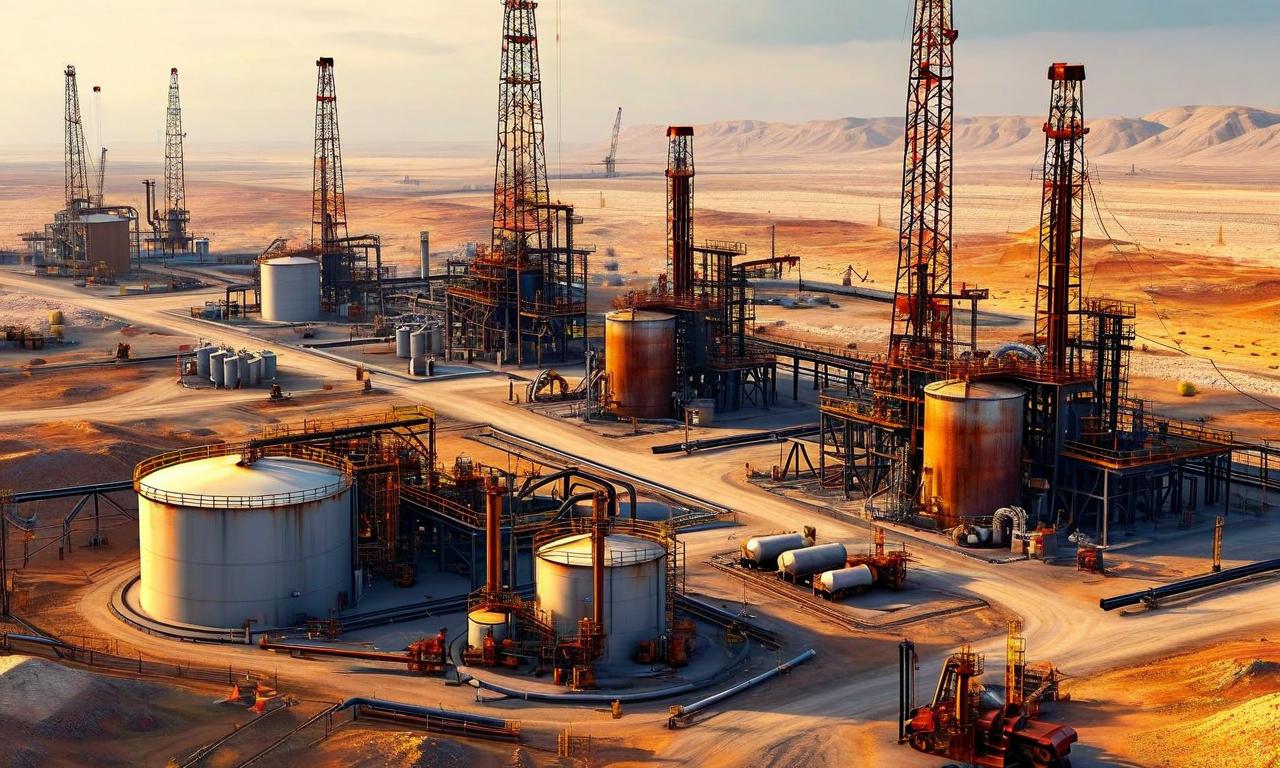
Trump's comments highlight the effectiveness of the tariff strategy in reducing India's Russian oil imports. The combination of general tariffs on India and specific levies on Russian oil purchases appears to have achieved the intended policy objective of substantially reducing these trade flows.

The diplomatic exchange between the two leaders underscores the complex balance between economic pressure and maintaining strategic partnerships, particularly in defense cooperation where India represents a significant market for US military equipment.

like18
dislike

Trump's Welfare Data Chart Excludes India as Indian Immigrants Show Low Public Assistance Usage

2 min read     Updated on 05 Jan 2026, 01:02 PM
scanx
Reviewed by
Anirudha BScanX News Team
Overview

Trump's Truth Social welfare data chart covering 120 countries excluded India, likely due to a 25% assistance threshold, while showing high usage rates for other South Asian nations like Bangladesh (54.8%) and Pakistan (40.2%). Research indicates Indian immigrants, numbering 5.2 million in 2023, earn among the highest incomes of any ethnic group with minimal public assistance reliance. The Manhattan Institute study identifies them as the most economically beneficial immigrant group, with each Indian immigrant saving the federal government $1.7 million over 30 years.

29143938

*this image is generated using AI for illustrative purposes only.

Trump released comprehensive welfare data on his Truth Social platform, presenting information on immigrant households from approximately 120 countries and territories receiving government assistance in the United States. The chart detailed the percentage of immigrant households from each country receiving some form of government assistance, though it did not specify the exact type or duration of assistance included in the data.

Notable Exclusions and Inclusions

The chart notably excluded India despite including other South Asian nations with significant welfare usage rates. Bangladesh led South Asian countries with 54.8% of immigrant households receiving assistance, followed by Pakistan at 40.2% and Nepal at 34.8%. The data also included China at 32.9%, Israel/Palestine at 25.9%, Ukraine at 42.7%, and Asia (not elsewhere classified/not specified) at 38.8%.

Top Countries by Welfare Usage

The data revealed the countries with the highest percentage of immigrant households receiving welfare assistance:

Country: Percentage
Bhutan: 81.4%
Yemen: 75.2%
Somalia: 71.9%
Marshall Islands: 71.4%
Dominican Republic: 68.1%
Afghanistan: 68.1%
Congo: 66.0%
Guinea: 65.8%
Samoa (1940–1950): 63.4%
Cape Verde: 63.1%

India's Absence from the Chart

India's exclusion from the chart appears to stem from a cutoff threshold, with the data identifying nations where immigrant aid consumption exceeded approximately 25%. Public research conducted over many years has consistently shown that Indian immigrants in the United States earn among the highest incomes of any ethnic group. They maintain high workforce participation rates and demonstrate minimal reliance on public assistance programs.

Indian Immigrant Demographics and Economic Impact

According to US Census Bureau estimates, approximately 5.2 million people in the United States identified as Indian in 2023. The Pew Research Centre reported in 2025 that Indian Americans represent the second-largest Asian origin population living in the US, accounting for approximately 21% of the country's Asian population.

Indian immigrants play a significant role in the US economy as substantial contributors to income tax revenues. They have been instrumental in founding or co-founding a large share of startups in Silicon Valley, demonstrating their entrepreneurial impact on the American business landscape.

Economic Benefits Analysis

A recent study published by the Manhattan Institute identified Indian immigrants as the most economically beneficial immigrant group in the country. Daniel Di Martino, a fellow at the Manhattan Institute, stated that "The average Indian immigrant and his or her descendants will save the federal government $1.7 million over 30 years." This research underscores the substantial positive fiscal impact of Indian immigration to the United States.

like15
dislike
Explore Other Articles
Power Mech Projects Subsidiary Secures ₹1,563 Crore BESS Contract from WBSEDCL 4 hours ago
Elpro International Acquires Additional Stake in Sundrop Brands for ₹39.18 Crores 5 hours ago
Transformers & Rectifiers Targets ₹8000 Crore Order Book by FY26 End 6 hours ago
Reliance Industries Schedules Board Meeting for January 16, 2026 to Approve Q3FY26 Financial Results 7 hours ago
Krishival Foods Limited Completes Rights Issue Allotment of 3.33 Lakh Partly Paid-Up Equity Shares 6 hours ago
Raymond Realty Board Approves Employee Stock Option Plan 2025 Following Demerger 6 hours ago