Trump Claims India Cutting Russian Oil Imports, Announces Tariffs on Canada

1 min read     Updated on 26 Oct 2025, 08:29 AM
scanx
Reviewed by
Shraddha JScanX News Team
Overview

President Trump claims India and China are reducing Russian oil imports due to US sanctions on major Russian oil companies. He announced plans to meet with Chinese President Xi Jinping at the APEC summit, expressing optimism about a comprehensive deal. Trump also imposed a 10% tariff increase on Canadian goods following a controversial Ontario government advertisement, escalating tensions between the two nations. The President canceled talks with Russia's Putin and ended trade discussions with Canada, highlighting the complex nature of current international trade relations.

22993189

*this image is generated using AI for illustrative purposes only.

President Donald Trump has made significant statements regarding international trade and sanctions, affecting relations with India, Russia, China, and Canada.

US Sanctions on Russian Oil Companies

Trump stated that India is completely cutting back on Russian oil imports following US sanctions on major Russian oil companies Rosneft PJSC and Lukoil PJSC. He also claimed that China is substantially reducing Russian oil purchases, noting that Chinese state-owned companies including Sinopec canceled some Russian crude purchases after the US blacklisted the Russian oil firms.

The US has imposed sanctions on Russia's petroleum ministry and warned foreign financial firms that they could be frozen out of the US finance system if they deal with the sanctioned companies.

Diplomatic Engagements

Trump made these comments while traveling to Asia for meetings, including a planned discussion with Chinese President Xi Jinping during the Asia-Pacific Economic Cooperation summit in South Korea. He expressed optimism about reaching a comprehensive deal with China, saying they would discuss agriculture and fentanyl components.

However, Trump showed disappointment with Russia, canceling planned talks with Putin and stating he wouldn't waste time on unproductive discussions regarding ending the Ukraine war.

Escalating Tensions with Canada

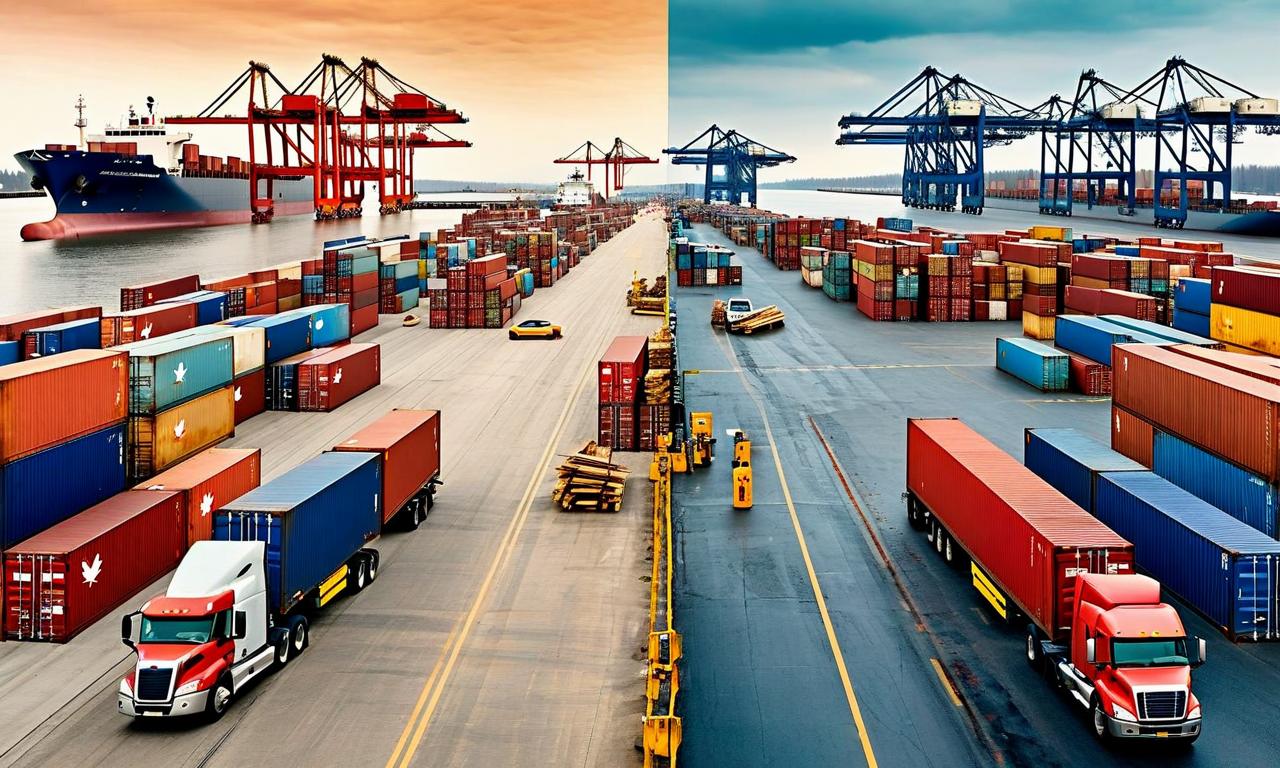
In a separate development, Trump announced an additional 10% tariff increase on Canadian goods, escalating tensions between the two nations. This decision comes in the wake of an Ontario government advertisement that aired during the World Series, which Trump deemed misleading and fraudulent.

The advertisement featured former President Ronald Reagan criticizing tariffs, describing them as catalysts for trade wars and economic disaster. This content evidently struck a nerve with the current administration, leading to significant repercussions:

  • Trump ended trade talks with Canada over the ad
  • Ontario Premier Doug Ford agreed to pause the US ad campaign to resume negotiations
  • Despite this agreement, the advertisement continued to air during Game 1 of the World Series

The specifics of the new tariffs remain unclear, particularly given the existing trade agreements between the two nations. Most Canadian exports to the US are currently exempt under the United States-Mexico-Canada Agreement (USMCA).

Diplomatic Implications

This development occurs against the backdrop of broader international engagements:

  • Trump made the announcement while en route to Malaysia for an East Asia trip focused on trade issues
  • Canadian Prime Minister Mark Carney expressed readiness to resume trade talks
  • Trump indicated no plans to meet with the Canadian leader at the upcoming ASEAN summit

These developments underscore the complex nature of international trade relations and the potential impact of public communications on diplomatic and economic ties.

like19
dislike

Trump Plans Section 301 Investigation Into Foreign Drug Prices, Claims Gratitude for Truck Tariffs

1 min read     Updated on 22 Oct 2025, 10:55 PM
scanx
Reviewed by
Anirudha BScanX News Team
Overview

Donald Trump announced plans to launch a Section 301 investigation targeting drug prices to ensure foreign countries pay similar amounts to Americans for medicines. This could lead to tariffs on pharmaceutical products. Trump also claimed to have received calls of appreciation from GM CEO Mary Barra and Ford Executive Chairman Bill Ford for his past tariffs on mid-size and large-size trucks.

22699519

*this image is generated using AI for illustrative purposes only.

Former President Donald Trump has announced plans to launch a Section 301 investigation under the Trade Act of 1974, targeting drug prices to ensure foreign countries pay similar amounts to Americans for medicines. This probe could potentially result in tariffs or other trade actions on pharmaceutical products in the coming months.

The Trump administration has criticized the current system where drugmakers charge less in countries with government price negotiations, labeling it as 'global freeloading on American pharmaceutical innovation.' Previously, Trump had threatened a 100% tariff on branded medicines starting in October unless manufacturers moved production to the US, but later backed away to give companies more time to lower prices.

In May, Trump signed an executive order calling for pharmaceutical cost cuts to match the lowest levels paid by similar countries. Leerink Partners analyst David Risinger described potential tariffs as a 'marginal positive' for the pharmaceutical sector. AbbVie CEO Robert Michael expressed support for using Section 301 tariffs to address 'unfair practices' in international drug pricing.

Claim of Gratitude for Truck Tariffs

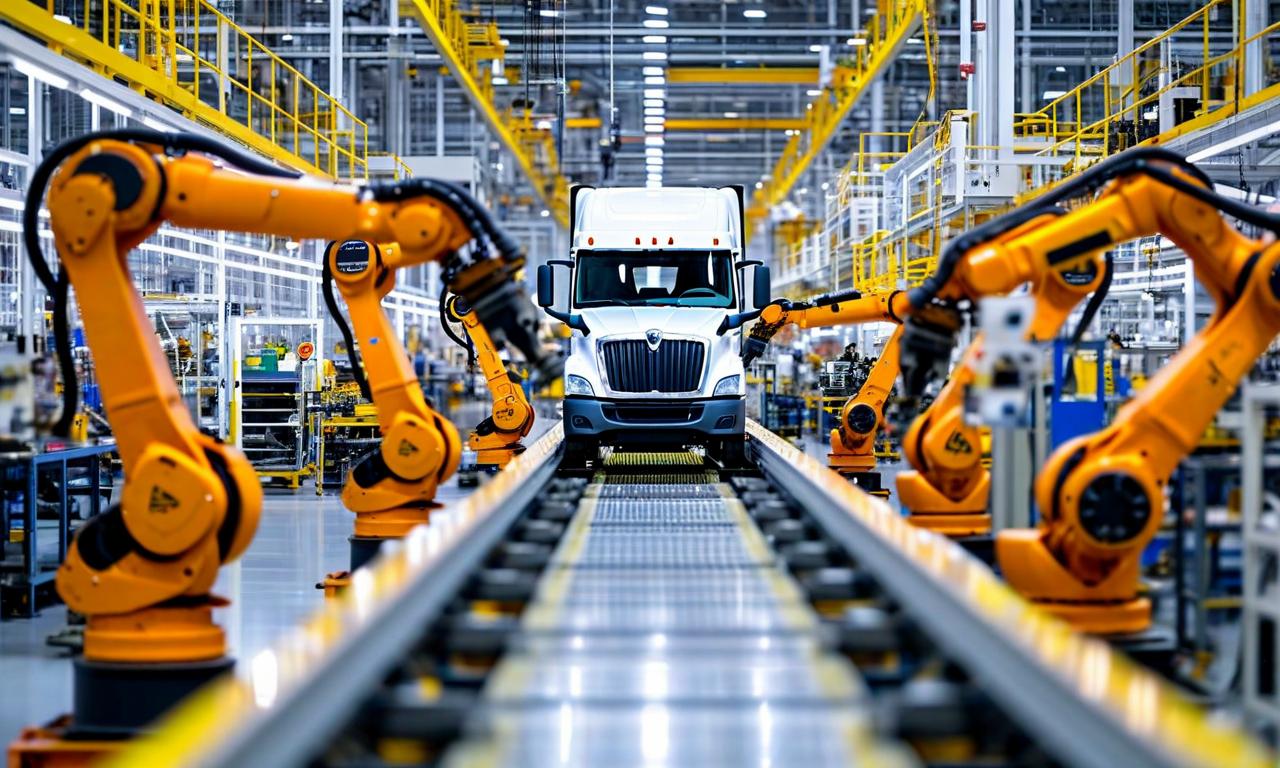
In a separate development, Trump has made a notable claim regarding his past trade policies, specifically concerning tariffs on mid-size and large-size trucks. In a recent post on his social media platform, Truth Social, Trump stated that he had received calls of appreciation from key figures in the American automotive industry.

Automotive Industry Feedback

According to Trump's statement, two prominent leaders in the U.S. automotive sector reached out to express their gratitude:

  • Mary Barra, CEO of General Motors (GM)
  • Bill Ford, Executive Chairman of Ford Motor Company

Trump asserts that these industry leaders contacted him to thank him for implementing tariffs on mid-size and large-size trucks during his presidency.

Context of the Claim

While the specific details of the alleged conversations were not provided, this claim touches on a few key points:

  1. Trade Policy Impact: It suggests that Trump's tariff policies may have had a significant impact on the U.S. automotive industry, particularly in the truck segment.

  2. Industry Response: The claim implies a positive reception of these tariffs from major American automakers, at least from Trump's perspective.

  3. Ongoing Dialogue: It indicates that Trump maintains communication with industry leaders, even after his term in office.

It's important to note that this information comes directly from Trump's social media post, and as of now, there has been no independent verification or public statements from GM or Ford confirming these alleged expressions of gratitude.

Implications

If accurate, this claim could suggest:

  • A potential alignment between Trump's past trade policies and the interests of major U.S. automakers, particularly in the truck market.
  • Ongoing discussions about the impact of trade policies on the American automotive industry.

However, without further context or confirmation from the parties involved, it's crucial to view this claim as Trump's personal statement rather than a verified account of events.

As the automotive industry continues to navigate global trade dynamics, statements like these highlight the complex interplay between politics, trade policies, and the interests of major corporations in the United States.

like19
dislike
Explore Other Articles