Samsung to Manufacture Advanced iPhone Camera Sensors at Austin Facility


Samsung Electronics will produce advanced camera sensors for future iPhones at its Austin, Texas facility, marking Apple's first departure from Sony exclusivity. The sensors will feature three-layer stacked design technology using wafer-to-wafer hybrid bonding, promising improved image quality and performance. Production could begin by March 2026 for the iPhone 18, with Samsung investing $19.00 billion in the facility as part of Apple's broader $600.00 billion US investment commitment.
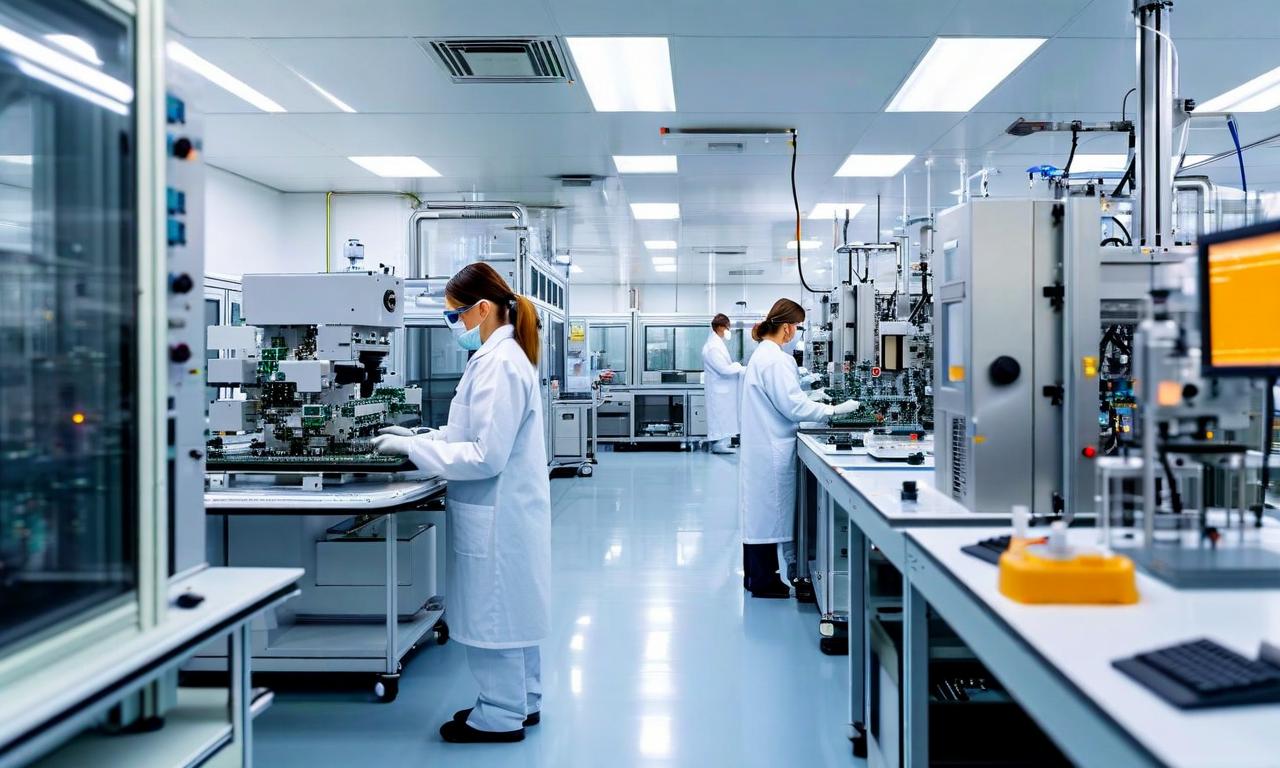
*this image is generated using AI for illustrative purposes only.
Samsung Electronics is preparing to manufacture advanced camera sensors for future iPhones at its Austin, Texas facility, representing a major shift in Apple's supply chain strategy. This development marks the first time Apple will move away from relying exclusively on Sony for iPhone image sensors, while simultaneously bringing production to the United States.
Advanced Sensor Technology
The new image sensors will utilize sophisticated three-layer stacked design technology, stacking circuitry vertically to enhance image quality. Samsung plans to implement wafer-to-wafer hybrid bonding to create these sensors, with three separate wafers dedicated to different components:
- Photodiode layer: Captures light and converts it to electrical signals
- Transistor layer: Manages signal processing
- Analog/digital converter layer: Handles signal conversion
This innovative design enables smaller pixel sizes while reducing noise, ultimately improving overall image quality. The sensors are expected to deliver higher pixel density, faster data readout capabilities, better low-light performance, and improved power efficiency compared to current technology.
Production Timeline and Investment
| Parameter: | Details |
|---|---|
| Production Start: | March 2026 (earliest) |
| Target Device: | iPhone 18 (expected 2027) |
| Facility Investment: | $19.00 billion |
| Deal Agreement: | August 2024 |
Samsung has already begun preparations for the project, posting job listings for mechanical and electrical technicians, engineers, and managers to support the image sensor production launch. The company told Austin's city council about its plans to invest $19.00 billion in the facility, with production equipment installation expected in the near future.
Strategic Supply Chain Diversification
This partnership represents a significant strategic shift for Apple, which has historically relied on Sony as its exclusive supplier for iPhone image sensors. Sony currently manufactures these components in Japan and ships them through TSMC. The Samsung deal aligns with Apple's broader commitment to diversify its supply chain and increase domestic production capabilities.
Apple's investment forms part of its commitment to spend an additional $100.00 billion in the United States, raising its total investment commitment to $600.00 billion over the next four years. According to Apple's statement, "This facility will supply chips that optimise the power and performance of Apple products, including iPhone devices."
Broader Manufacturing Expansion
Beyond Apple's requirements, Samsung's chip contract manufacturing business has secured additional orders, including components for Tesla vehicles. This diversification demonstrates Samsung's expanding role in the semiconductor manufacturing landscape and its growing presence in the United States market.
The Austin facility expansion represents a convergence of technological advancement and strategic supply chain management, positioning both companies to benefit from enhanced domestic production capabilities while delivering improved camera technology to consumers.
 18
18