Rio Tinto and Glencore Resume Merger Talks to Create World's Largest Mining Company

2 min read     Updated on 09 Jan 2026, 11:16 AM
scanx
Reviewed by
Shriram SScanX News Team
Overview

Rio Tinto and Glencore have resumed merger talks to create the world's largest mining company worth over $200 billion, driven by record copper prices above $13,000 per ton. The potential deal would significantly expand Rio Tinto's copper assets while creating a rival to BHP Group, though challenges remain around Glencore's coal operations and valuation differences that caused previous 2024 talks to collapse.

29483202

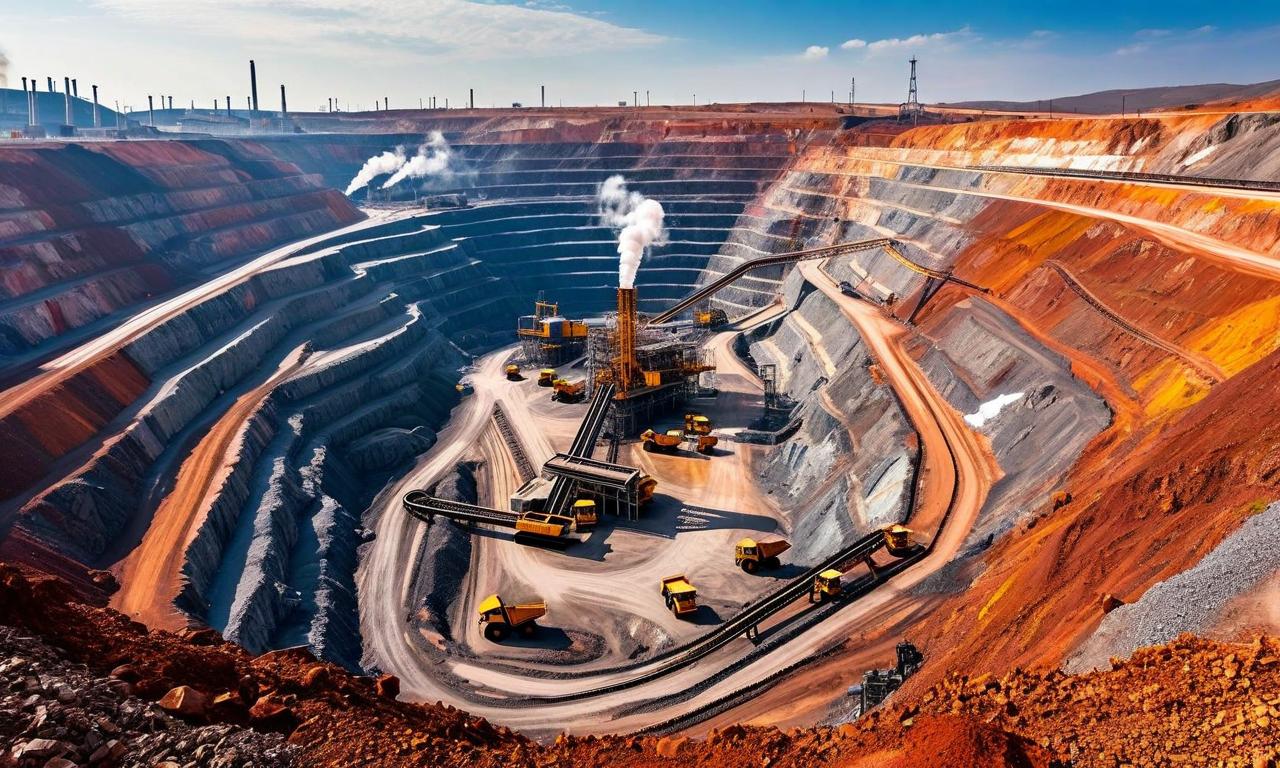
*this image is generated using AI for illustrative purposes only.

Rio Tinto Group and Glencore Plc have resumed talks about a potential combination that would create the world's largest mining company, with a combined market value exceeding $200 billion. The discussions represent a revival of negotiations between the two mining giants, coming little over a year after previous talks collapsed due to disagreements over valuation.

Market Reaction and Deal Structure

The companies announced in separate statements on Thursday that they are exploring various combination options, including an all-share takeover and partial business mergers. Market response was immediate, with Glencore's American depositary receipts rising 8.80% in New York trading, while Rio Tinto shares declined 5.00% at the start of Sydney trading.

Market Response: Performance
Glencore ADRs (New York): +8.80%
Rio Tinto Shares (Sydney): -5.00%
Combined Market Value: >$200 billion

Copper Market Dynamics Drive Deal Interest

The renewed merger discussions coincide with unprecedented strength in copper markets, where prices have reached record highs above $13,000 per ton. This surge reflects multiple factors including mine outages, US stockpiling ahead of potential tariffs, and growing demand from artificial intelligence and defense spending sectors. Both companies possess significant copper assets, making the combination strategically attractive as the industry anticipates supply shortages amid the energy transition.

Strategic Benefits and Challenges

For Rio Tinto, the deal would substantially expand copper production capacity and provide access to Glencore's stake in Chile's Collahuasi mine, one of the world's richest copper deposits. The combination would create a new mining behemoth capable of rivaling BHP Group, which currently holds the title of world's largest miner.

However, significant challenges remain:

  • Coal Assets: Glencore operates as the world's biggest coal shipper, while Rio Tinto previously exited coal operations
  • Cultural Differences: The companies maintain distinct operational philosophies and business approaches
  • Valuation Gap: The gap between company valuations has widened since 2024 discussions

Previous Negotiations and Leadership Changes

The companies held discussions in 2024 but abandoned talks after failing to reach agreement on valuation terms. Since then, Rio Tinto has replaced its CEO, while Glencore has publicly outlined ambitious copper growth prospects. Glencore CEO Gary Nagle has privately described a Rio-Glencore combination as the most obvious deal in the mining industry.

Regulatory Timeline and Industry Context

Under UK takeover rules, Rio Tinto has until February 5 to confirm whether it will make a formal offer or withdraw from discussions for six months. The talks occur amid broader industry consolidation, following Anglo American Plc's recent agreement to acquire Teck Resources Ltd. after successfully defending against BHP's takeover attempt.

Key Timeline: Details
Decision Deadline: February 5
Previous Talks: 2024 (collapsed on valuation)
Withdrawal Period: 6 months if no offer

Bloomberg Intelligence analysts noted that agreement on terms and structuring will not be straightforward, as Rio likely wants Glencore's copper assets while potentially avoiding its coal portfolio, though such assets could potentially be carved out in any final deal structure.

like18
dislike

Rio Tinto and Glencore Resume Merger Talks to Create World's Largest Mining Company

2 min read     Updated on 09 Jan 2026, 10:09 AM
scanx
Reviewed by
Anirudha BScanX News Team
Overview

Rio Tinto and Glencore have resumed merger discussions to create the world's largest mining company worth over $200 billion, driven by record copper prices and energy transition demand. The talks follow failed 2024 negotiations, with Rio seeking Glencore's copper assets while potentially avoiding its coal portfolio. Under UK rules, Rio has until February 5 to make a formal offer.

29479178

*this image is generated using AI for illustrative purposes only.

Rio Tinto Group and Glencore Plc have resumed discussions about a potential combination that would create the world's largest mining company, with a combined market value exceeding $200 billion. The renewed talks come little over a year after previous negotiations between the two mining giants collapsed due to disagreements over valuation.

Deal Structure and Market Response

The companies are exploring various combination structures, including the possibility of an all-share takeover covering some or all of their businesses. Market reaction was mixed, with Glencore's American depositary receipts rising 8.80% in New York trading, while Rio Tinto shares declined 5.00% at the start of Sydney trading.

Company Market Response Trading Location
Glencore ADRs +8.80% New York
Rio Tinto -5.00% Sydney

Copper Market Dynamics Drive Deal Logic

The potential merger is being driven by unprecedented demand for copper, a crucial metal for the energy transition. Copper prices have soared to record highs above $13,000 per ton, supported by mine outages and strategic stockpiling ahead of potential tariffs. The combination would create a new mining behemoth capable of rivaling BHP Group, which has long held the title of world's largest miner.

For Rio Tinto, the deal would significantly expand copper production and provide access to Glencore's stake in the Collahuasi mine in Chile, one of the world's richest copper deposits that Rio has long coveted. Both companies currently derive substantial earnings from iron ore, a market facing uncertain demand as China's construction boom moderates.

Previous Negotiations and Leadership Changes

The companies previously held discussions in 2024, but talks were abandoned after failing to reach agreement on valuation terms. Since then, Rio Tinto has appointed a new CEO, Simon Trott, while Glencore has publicly outlined its copper growth prospects. Glencore CEO Gary Nagle has privately described a Rio-Glencore combination as the most obvious deal in the industry, though valuation gaps have widened since prior discussions.

Strategic Challenges and Asset Considerations

Analysts have identified several potential hurdles to completing the transaction:

  • Coal Portfolio: Glencore is one of the world's largest coal producers, a business Rio Tinto previously exited
  • Cultural Differences: The companies operate with distinct corporate cultures and business approaches
  • Asset Selectivity: Rio may prefer Glencore's copper assets while avoiding its coal operations

Glencore's diversified portfolio includes the world's largest coal shipping business, along with nickel and zinc mining operations and a substantial trading division. It remains unclear whether Rio would seek to acquire all these assets and businesses.

Regulatory Timeline and Industry Context

Under UK takeover rules, Rio Tinto has until February 5 to confirm whether it will make a formal offer or withdraw from discussions for six months. The talks occur amid broader industry consolidation, including Anglo American Plc's recent agreement to acquire Teck Resources Ltd. after successfully defending against a takeover attempt from BHP.

Glencore has faced investor pressure due to stock underperformance, weak coal prices, and strategic questions. The company has responded by making copper mining central to its business strategy, with CEO Nagle outlining plans to nearly double copper production over the next decade. Bloomberg Intelligence analysts noted that "agreement on terms and structuring won't be straightforward," highlighting the complexity of potentially separating desired copper assets from Glencore's coal portfolio.

like18
dislike
Explore Other Articles