
 NewsMeta Platforms Becomes Largest Nuclear Power Buyer Among Tech Giants With Multi-Gigawatt AI Data Center Deals
Meta Platforms Becomes Largest Nuclear Power Buyer Among Tech Giants With Multi-Gigawatt AI Data Center Deals


Meta Platforms has secured nuclear power deals totaling over 6 gigawatts, making it the largest nuclear buyer among tech companies. The agreements include partnerships with Vistra for existing Ohio reactors, Oklo for future small modular reactors, and TerraPower for advanced reactor development. These deals will power major AI infrastructure projects including the Prometheus data center in Ohio and support Meta's multi-billion dollar AI infrastructure investment strategy.

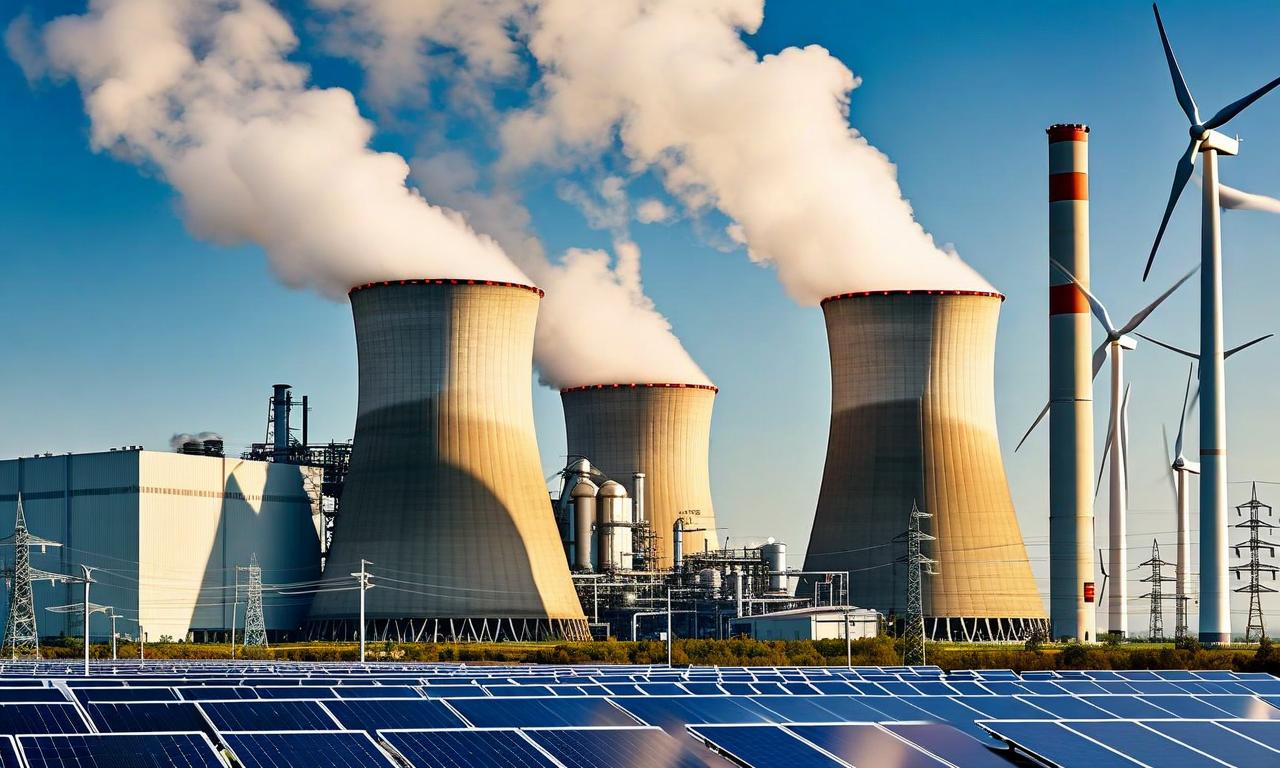

*this image is generated using AI for illustrative purposes only.
Meta Platforms has positioned itself as the largest nuclear power buyer among major tech companies through a series of electricity agreements that could total more than 6 gigawatts of capacity. The deals underscore the intensifying competition among technology giants to secure reliable energy supplies for artificial intelligence infrastructure development.
Major Nuclear Power Partnerships
The company announced partnerships with three key nuclear energy providers to support its expanding AI data center operations. Meta will purchase electricity from existing nuclear facilities while also supporting the development of next-generation small reactors planned for deployment over the next decade.
| Partner | Capacity | Timeline | Details |
|---|---|---|---|
| Vistra Corp. | 2.10+ GW | Existing plants | Davis-Besse and Perry reactors in Ohio |
| Oklo Inc. | Up to 1.20 GW | Starting 2030 | Small reactors in Ohio |
| TerraPower LLC | Up to 690 MW | Starting 2032 | Two reactor development projects |
| Additional Rights | 2.10 GW | Future projects | Six additional reactor projects |
Vistra's stock price rose 10.00% in pre-market trading following the announcement, while Oklo shares increased approximately 20.00%. The agreements follow Meta's separate deal with Constellation Energy announced in June.
AI Infrastructure Power Requirements
The nuclear deals will support Meta's most ambitious AI infrastructure projects, addressing the massive power requirements of modern data centers. Chief Executive Officer Mark Zuckerberg has committed to spending hundreds of billions of dollars on AI infrastructure through the end of the decade.
| Project | Location | Capacity | Timeline | Power Source |
|---|---|---|---|---|
| Prometheus | New Albany, Ohio | 1 GW | 2024 | Nuclear (new deals) |
| Hyperion | Rural Louisiana | Up to 5 GW | 2028 | Natural gas plants |
The Prometheus data center cluster represents a 1-gigawatt facility expected to come online this year, while the Hyperion project in Louisiana may scale to 5 gigawatts by 2028. The Louisiana facility will be powered by at least three natural gas plants, with utility provider Entergy applying to connect additional natural gas generation to support the project's expansion.
Vistra Partnership Details
Under the agreement with Vistra, Meta will access energy from multiple nuclear facilities across Ohio and Pennsylvania. The deal includes more than 2.10 gigawatts of operating generation from the Davis-Besse and Perry reactors in Ohio, plus an additional 433 megawatts from planned improvements to boost output from these facilities and the Beaver Valley plant in Pennsylvania.
These nuclear plants will continue supplying the PJM Interconnection grid, which serves more than 67 million people from the Midwest to the mid-Atlantic region. The arrangement allows Meta to access clean nuclear power while maintaining grid stability for existing customers.
Next-Generation Nuclear Technology
Meta's partnerships with Oklo and TerraPower focus on supporting the development of advanced small modular reactors. Oklo is developing a 75-megawatt reactor design that still requires federal regulatory approval, with Meta's agreement including prepayment provisions primarily to help secure fuel procurement.
The TerraPower partnership supports development of two reactors capable of generating up to 690 megawatts, with delivery targeted for 2032. TerraPower CEO Chris Levesque emphasized that nuclear energy represents a critical component for meeting AI-driven power demand growth.
Industry Power Demand Surge
US power usage is projected to increase at least 30.00% by 2030, with data centers driving most of the new demand according to Grid Strategies energy consulting. This surge has created significant bottlenecks for AI development, prompting technology companies to secure long-term energy supplies through various sources including both nuclear and natural gas facilities.
Meta's head of global energy, Urvi Parekh, noted that the agreements address concerns about existing nuclear plant closures while providing early investment to stimulate new nuclear power development. The company remains committed to low-carbon energy solutions as part of its infrastructure expansion strategy.
 17
17






 Create Custom Screeners
  Access 200+ Pre-built Filters
  Use 50+ Readymade Screener





