Indian Exporters Diversify Markets as US Tariff Impact Reshapes Trade Patterns


Indian exporters are diversifying markets following US tariff implementation, with exports to non-US markets rising to $89.9 billion in September-November 2025 versus $86.2 billion in the previous year. For April-November 2025, US exports grew 11% to $59 billion while other markets increased 1% to $233 billion, driven by growth in Spain, China, Vietnam, Hong Kong, and Brazil, though additional trade challenges from potential 500% tariffs on Russian oil purchasers and Mexico's new tariff measures add uncertainty.
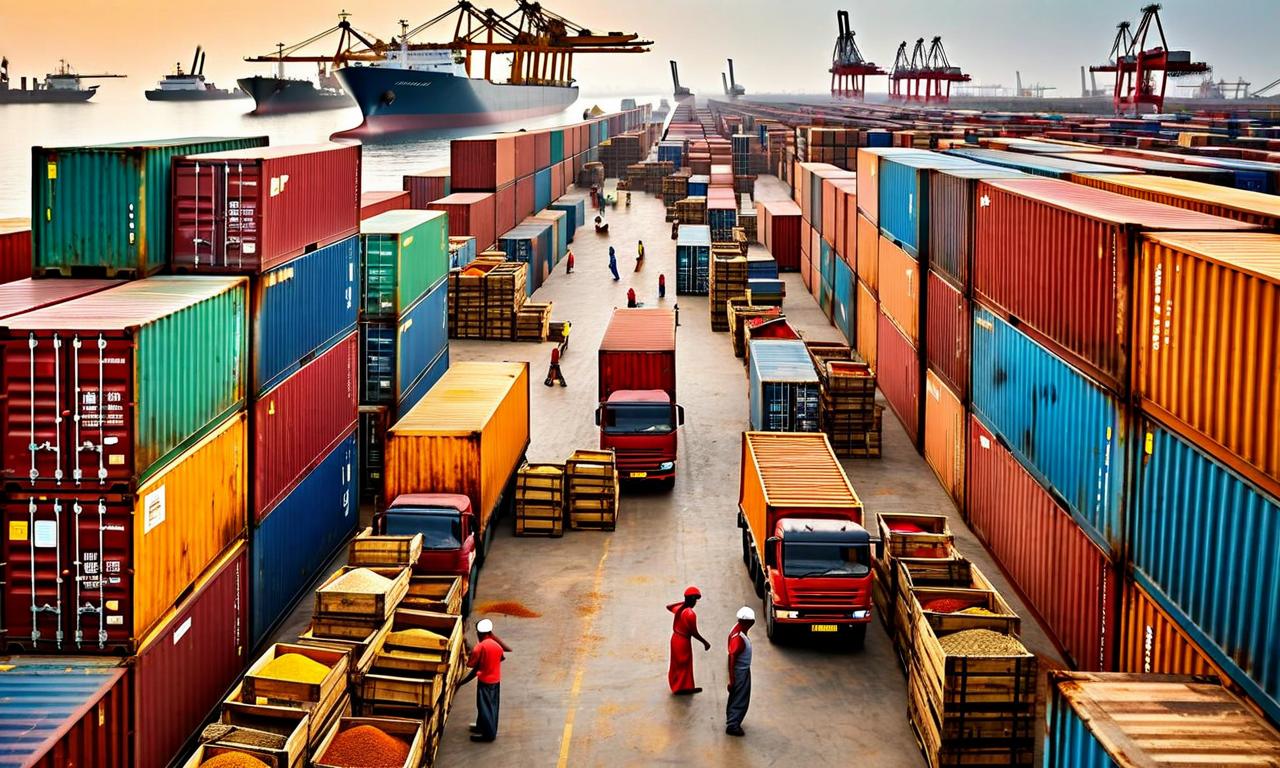
*this image is generated using AI for illustrative purposes only.
Indian exporters are actively reshaping their trade strategies following significant tariff changes imposed by the United States, with early data suggesting a gradual shift toward market diversification. The response has been characterized by tactical front-loading of shipments followed by strategic re-routing to alternative global markets.
Initial Response to US Tariff Announcements
During April-August 2025, Indian exporters accelerated shipments to the US to capitalize on temporary cost advantages before new tariff rates became effective. Washington announced these new tariff rates on April 2, 2025, marking what was termed "Liberation Day." This front-loading strategy allowed exporters to maximize volumes before the implementation of more restrictive trade measures.
Following the US imposition of a 50% tariff on Indian exports in the subsequent period, exporters began implementing diversification strategies by re-routing shipments to other global markets.
Market Diversification Shows Early Results
The diversification efforts have begun showing measurable results, according to a BoB Capital Market report dated January 2. The data reveals a notable shift in export patterns:
| Period | Exports to Rest of World | Year-over-Year Comparison |
|---|---|---|
| Sept-Nov 2025 | $89.9 billion | vs $86.2 billion (previous year) |
| Performance | Increased | Positive growth trend |
"Exports to the US showed slight moderation. However, exports to the Rest of the World have picked up to $89.9 billion during September-November 2025 compared to $86.2 billion during the same period of previous year. Thus, the beginning of the substitution effect has already started taking shape," the BoB Capital Market report stated.
Eight-Month Performance Analysis
Data for the April-November period (8MFY26) reflects the uneven nature of this transition, according to Emkay Global Financial Services analysis:
| Export Destination | Performance | Growth Rate | Value |
|---|---|---|---|
| US Markets | Year-on-year growth | +11% | $59 billion |
| Rest of World | Modest growth | +1% | $233 billion |
| Previous Trend (until August) | Decline | -2% | Not specified |
The improvement in non-US exports represents a significant turnaround from the 2% decline observed until August 2025.
Key Growth Markets and Trans-shipment Activities
The recent improvement in export diversification has been driven by sharp growth in exports to several key markets:
- Spain
- China
- Vietnam
- Hong Kong
- Brazil
Emkay Global Financial Services noted that while Indian exporters appear to have identified new destinations, some trans-shipments are also taking place. Trans-shipment involves moving goods from one transport vehicle to another at intermediate locations to reach final destinations, often when direct routes are unavailable.
Additional Trade Challenges and Uncertainties
The trade landscape faces additional complications beyond US tariffs. US Republican Senator Lindsey Graham recently announced that President Donald Trump has approved a Russia sanctions bill proposing 500% tariffs on countries purchasing Russian oil, including India, China, and Brazil.
Gaura Sen Gupta, economist at IDFC First Bank, cautioned: "As India's services trade is much more concentrated in the US, the worrying aspect is that a 500% tariff could be applicable on both goods and services."
Mexico has also imposed tariffs ranging from 5% to 50% on imports from non-preferential trade partners, including India and China. While India's exports to Mexico represent only 1.3% of total shipments, limiting immediate impact, the move establishes a concerning precedent for other countries potentially following similar protectionist measures.
Recent Trade Agreements and Future Outlook
India has signed trade deals with the UK and Oman in 2025, and the India–European Free Trade Association Trade and Economic Partnership Agreement has come into force. However, with rising protectionism across the global trade landscape, questions remain about whether the ongoing shift in India's export geography represents a structural change or merely tactical adjustments.
The assessment is complicated by volatile trade data in recent months. The more immediate macroeconomic concern involves increased downside risk to the current account deficit, which directly affects the rupee and could begin impacting the broader economy.
 20
20