

2025: A Defining Year of Global Contrasts and Economic Transformation


2025 stood out as a transformational year characterized by global contrasts and economic shifts. Trump's presidency reshaped international relations through aggressive tariff policies, while India responded strategically with comprehensive domestic reforms, GST overhaul, and maintained strong economic performance with 8.20% GDP growth despite global headwinds.

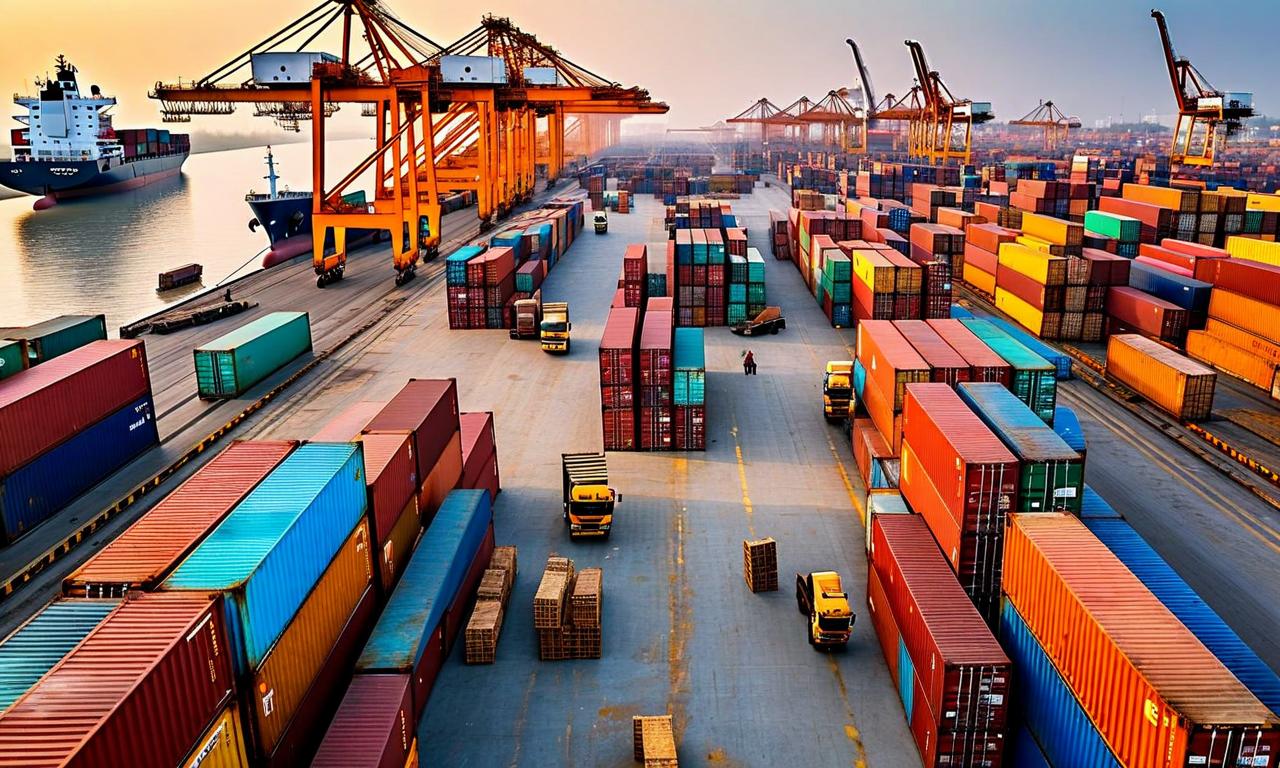

*this image is generated using AI for illustrative purposes only.
2025 emerged as one of the most consequential years from a capital markets perspective, characterized by profound contrasts and transformation in global politics, trade, and economics. The year delivered a series of defining moments that reshaped how nations conduct business and manage relationships, leaving a lasting imprint on global markets through decisive policy actions and unprecedented economic shifts.
Trump's Tariff-Driven Global Agenda
President Trump commenced his second term in January with swift action, signing 26 executive orders on his first day while making his presence felt at the World Economic Forum in Davos. The administration escalated its protectionist stance through "Liberation Day" policies announced on April 2, which altered the global economic path by raising tariffs on steel and aluminum imports while introducing a reciprocal tariff regime.
| Policy Timeline: | Action Taken | Impact Level |
|---|---|---|
| January: | 26 executive orders + Davos presence | Global attention |
| April 2: | Liberation Day announcements | Economic path shift |
| August: | 50% tariffs on India | Market surprise |
| Global Impact: | Supply chain disruption | Heightened tensions |
The tariff measures included a 26% ad valorem tariff on Indian imports, later escalating to 50% by August, making India the highest-tariffed nation for the US. These policies dismantled 25 years of India-US engagement and established tariffs as the dominant global headline throughout the year, significantly heightening trade tensions and disrupting global supply chains.
India's Strategic Economic Response
India responded with comprehensive domestic reforms throughout 2025. February's Union Budget delivered substantial middle-class relief by raising the personal income tax exemption threshold to ₹12 lakh, shifting focus toward consumption from capital expenditure under the Atmanirbhar Bharat framework.
| Reform Initiative: | Implementation | Benefit |
|---|---|---|
| Tax Exemption: | ₹12 lakh threshold | Middle-class relief |
| GST Overhaul: | September 22 implementation | Consumer confidence |
| Diplomatic Response: | August GST changes | Counter pessimism |
| Policy Focus: | Consumption boost | Self-reliance |
September marked the most significant GST overhaul since 2017, with cuts taking effect from September 22. The reforms focused on simplifying the indirect tax structure through rate rationalization, reduced tax slabs, and streamlined processes, particularly benefiting MSMEs and triggering a consumption pickup that contributed to better-than-expected earnings commentary for the second half.
Volatile Investment Patterns and Economic Resilience
Foreign institutional investors experienced a rollercoaster year in Indian equity markets. April witnessed temporary turnaround with net FII inflows of ₹4,223 crore following first-quarter outflows, supported by stabilizing global markets and attractive Indian equity valuations.
| Investment Flow: | Amount | Period |
|---|---|---|
| April Inflows: | ₹4,223 crore | Temporary recovery |
| Annual Outflows: | ₹1.60 lakh crore | Until December 24 |
| Pattern: | Highly oscillating | Global influence |
Despite volatile foreign investment flows, India demonstrated remarkable economic resilience. GDP growth accelerated to 8.20% for the second quarter, marking the fastest pace in six quarters and well above market expectations. Retail inflation fell sharply to 0.25% year-on-year in October, the lowest level since 2012, providing significant consumer relief.
Cultural Milestones and Global Contrasts
The year showcased remarkable contrasts across sectors. While DeepSeek opened the year as a major headline-maker with advances by a Chinese technology firm, entertainment delivered defining moments. The Indian women's cricket team won the World Cup in November, uniting the country in celebration following previous victories including D Gukesh's World Chess Championship title.
| Cultural Highlights: | Achievement | Significance |
|---|---|---|
| Women's Cricket: | World Cup victory | National unity |
| Entertainment: | Laalo film success | ₹100 crore on ₹50 lakh budget |
| Comedy Milestone: | Zakir Khan at MSG | First Hindi show |
| Global Trends: | Korean pop culture rise | Cultural shifts |
The entertainment sector closed with contrasts as the Gujarati devotional film "Laalo" earned more than ₹100 crore on a production cost of ₹50 lakh, even as much of Indian cinema struggled. Comedian Zakir Khan became the first Indian to stage a Hindi comedy show at Madison Square Garden, marking a personal milestone.
Monetary Policy and Strategic Outlook
December concluded positively with RBI's Monetary Policy Committee cutting the policy repo rate by 25 basis points to 5.25%, marking the fourth rate cut of 2025. The decision reflected neutral policy stance amid easing inflation and resilient economic activity, with the central bank's actions in June drawing particular attention and lifting sentiment.
2025 was defined by significant contrasts and transformative developments that reshaped market dynamics. While Trump's tariff policies and foreign investment volatility influenced global tensions, India's strategic reforms, strong GDP growth, low inflation, and cultural achievements demonstrated remarkable resilience, positioning the nation well for navigating future uncertainties with hopes for greater policy clarity and steadier conditions ahead.
 15
15







 Create Custom Screeners
  Access 200+ Pre-built Filters
  Use 50+ Readymade Screener





