

Hanke questions Kushner’s role in proposed Lukoil deal


- Steve Hanke criticized Jared Kushner for potential conflicts of interest in U.S.-Russia diplomacy
- Proposed deal involves Lukoil oil fields, refineries, and gas stations worldwide
- Investor group includes Todd Boehly, Middle Eastern groups, and a U.S. government arm
- Putin raised the deal during a Sept. 5 meeting with Kushner and envoy Steve Witkoff
- Deal requires approval from both the U.S. government and the Kremlin



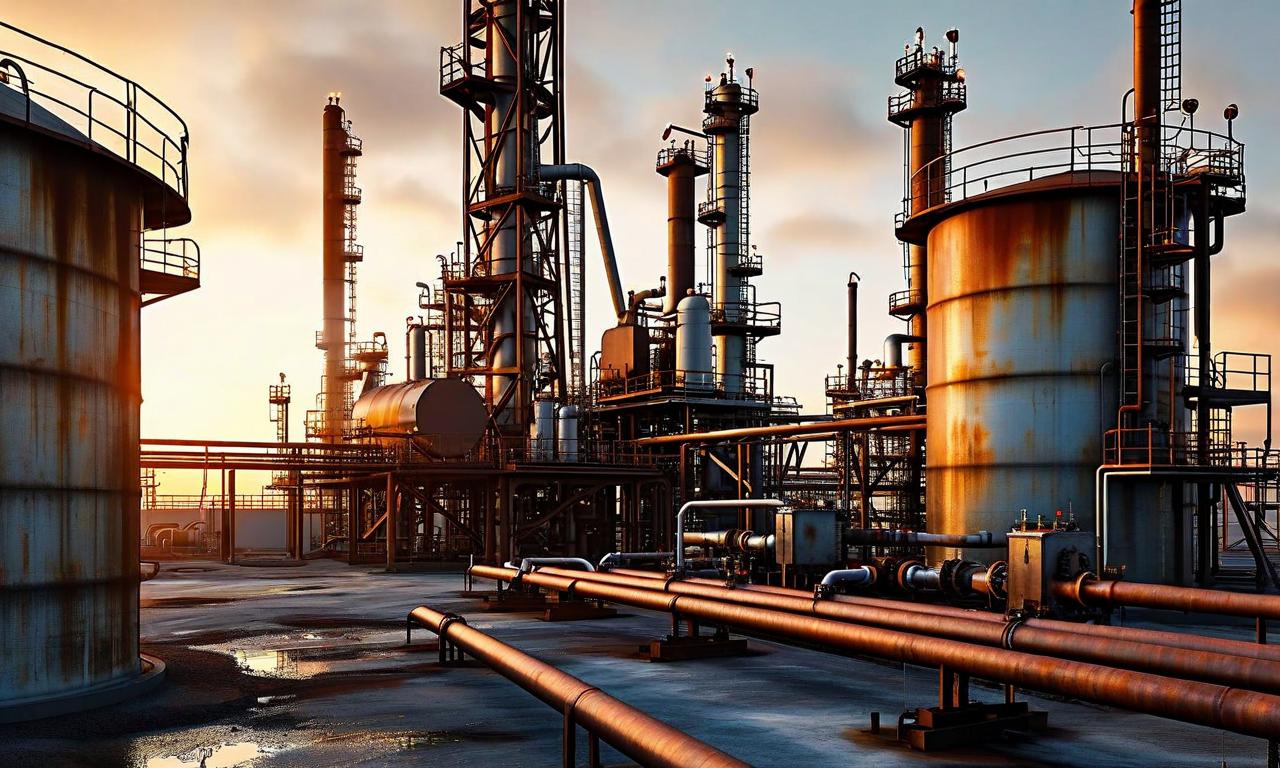
*this image is generated using AI for illustrative purposes only.
Economist Steve Hanke criticized Jared Kushner’s involvement in U.S.-Russia diplomacy following reports of a multibillion-dollar deal involving Russian oil producer Lukoil. Hanke, a Johns Hopkins University applied economics professor, stated on X that Kushner has "more conflicts of interest than you can shake a stick at."
The criticism follows a New York Times report that negotiations to end the Ukraine war expanded to include a transaction covering Lukoil oil fields, refineries, and gas stations worldwide. The proposed deal requires approval from both the U.S. government and the Kremlin.
Deal structure and participants
The investor group reportedly includes billionaire Todd Boehly, two Middle Eastern groups with prior business ties to Kushner or envoy Steve Witkoff’s family, and a U.S. government arm. The New York Times noted that Russian President Vladimir Putin raised the deal during a September 5 Kremlin meeting with Kushner and Witkoff.
| Component | Detail |
|---|---|
| Asset Scope | Lukoil oil fields, refineries, gas stations |
| Key Investors | Todd Boehly, Middle Eastern groups, U.S. govt arm |
| Approval Needed | U.S. Government and Kremlin |
| Initial Discussion | Sept. 5 Kremlin meeting |
Diplomatic context
Putin reportedly presented the Lukoil transaction as a means to demonstrate to Russians that business with the United States remained possible. The commercial discussions occurred alongside a broader U.S. peace push. Envoy Steve Witkoff later stated that American negotiators had made "substantive progress" after shuttling between Moscow and Kyiv, with movement toward additional trilateral talks.
Kremlin spokesperson Dmitry Peskov declined to comment directly on the specific Lukoil report but acknowledged that Russian and U.S. negotiators had discussed energy cooperation. The White House and Treasury Department did not immediately respond to requests for comment.
Conflict of interest concerns
Hanke’s commentary highlights the tension between diplomatic roles and private financial interests. "When he plays diplomat, it’s even hard to tell what country he represents, if any," Hanke wrote. Kushner has repeatedly joined Witkoff in President Donald Trump’s effort to broker an end to the war, including contacts with Ukrainian officials following the Moscow meeting.

How might the inclusion of a U.S. government arm in the Lukoil deal impact future sanctions enforcement mechanisms against Russian energy exports?
What regulatory hurdles could arise if the proposed Lukoil transaction faces legal challenges regarding conflict of interest disclosures for senior diplomatic appointees?
Could the integration of Middle Eastern investment groups with prior ties to U.S. envoys reshape the geopolitical alignment of global oil supply chains?
 17
17





 Access Market Heat-map & Insights
  Create, Save & Share your Screener
  Use 200+ Screening Filters





