
 NewsGeneral Motors Takes Additional $6 Billion EV Writedown as Total Charges Reach $7.6 Billion
General Motors Takes Additional $6 Billion EV Writedown as Total Charges Reach $7.6 Billion


General Motors announced an additional $6 billion in EV-related charges on Thursday, bringing total writedowns to $7.6 billion as the company reduces capacity amid slowing North American demand. The automaker cited terminated tax incentives and reduced emissions regulations as key factors. GM stock rose 3.93% Thursday but fell 1.91% in Friday pre-market trading, with the charges to be included in fourth quarter results alongside a separate $1.1 billion China joint venture loss.

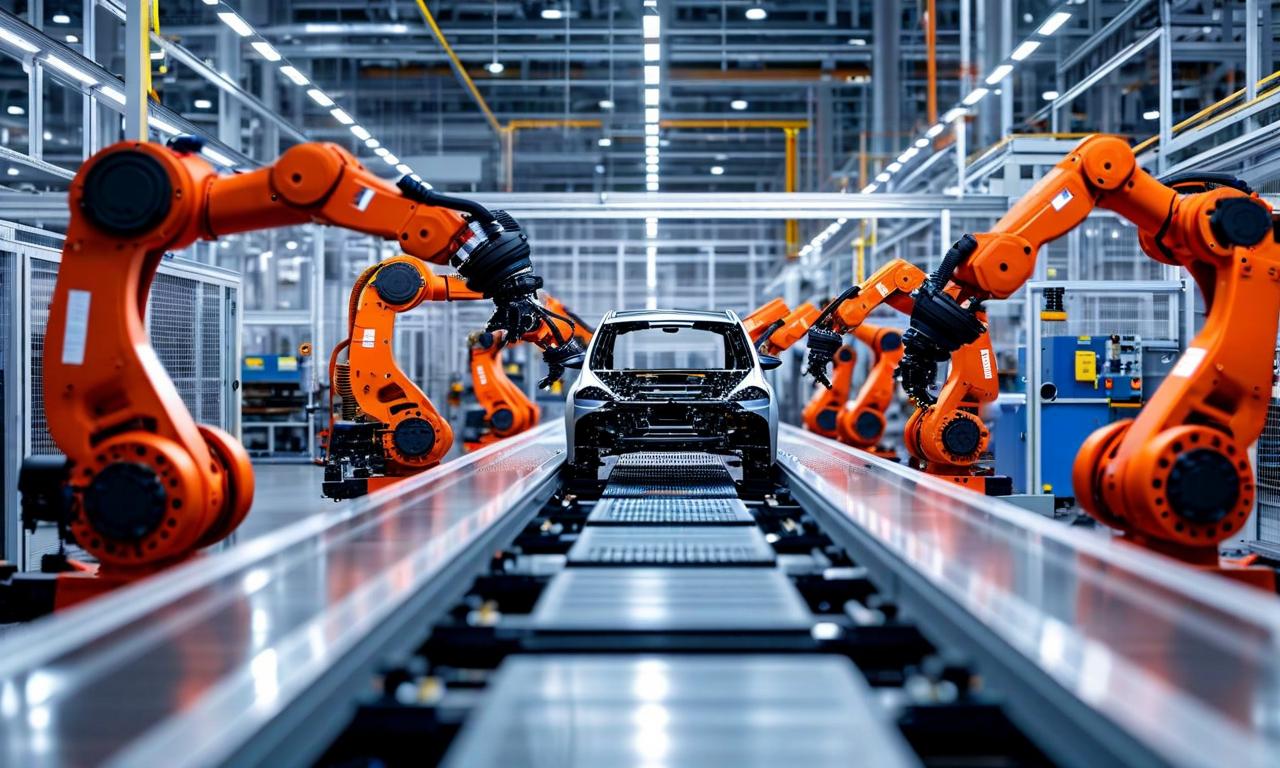

*this image is generated using AI for illustrative purposes only.
General Motors announced on Thursday an additional $6 billion in charges related to production cuts in its electric vehicle and battery operations, as the American automaker grapples with a cooling EV market in the United States. The latest writedown brings the company's total EV-related charges to $7.6 billion, following a $1.6 billion hit recorded in the third quarter.
Financial Impact and Market Response
The announcement had an immediate impact on GM's stock performance, with shares gaining momentum on Thursday before retreating in pre-market trading.
| Trading Session: | Price | Change | Percentage |
|---|---|---|---|
| Thursday Close: | $85.13 | +$3.20 | +3.93% |
| Friday Pre-market: | $83.50 | -$1.63 | -1.91% |
The Detroit-based automaker will include the latest EV charges alongside a separate $1.1 billion loss in its fourth quarter results. The additional loss stems primarily from restructuring its joint venture in China, SAIC General Motors Corporate Limited.
Reasons Behind the Writedown
General Motors attributed the substantial charges to shifting market conditions and policy changes affecting the electric vehicle sector. The company explained in its filing that industry-wide consumer demand for EVs in North America began to slow following significant regulatory changes.
Key factors contributing to the writedown include:
- Termination of certain consumer tax incentives
- Reduction in the stringency of emissions regulations
- Proactive capacity reduction in response to market conditions
"With the termination of certain consumer tax incentives and the reduction in the stringency of emissions regulations, industry-wide consumer demand for EVs in North America began to slow," GM stated in the filing. "As a result, GM proactively reduced EV capacity."
Industry Context and Strategic Adjustments
The substantial writedown reflects broader challenges facing the automotive industry's transition to electric vehicles. GM and its competitors invested billions in EV infrastructure and manufacturing capabilities over recent years to comply with environmental regulations and meet anticipated consumer demand.
GM CEO Mary Barra previously led significant investments in EV factory construction and set an ambitious goal for the company to achieve zero emissions from its cars and trucks by 2035. Despite the current challenges, Barra has indicated that EVs remain a long-term priority while acknowledging the need to adjust spending to align with actual customer preferences.
The company's experience mirrors that of other major automakers, with Ford announcing on December 15 that it expects to lose approximately $19.5 billion over several years due to changing EV policy outlook. These developments highlight the significant financial impact of shifting government policies and consumer preferences on the automotive industry's electric vehicle investments.
 20
20






 Create Custom Screeners
  Access 200+ Pre-built Filters
  Use 50+ Readymade Screener





