China Unveils 19-Point Plan to Boost Economy Amid Slowing Growth

1 min read     Updated on 17 Sept 2025, 07:18 PM
scanx
Reviewed by
Anirudha BScanX News Team
AI Summary

China has announced a comprehensive 19-point consumption plan aimed at attracting foreign investors and tourists, responding to underwhelming August economic indicators. The plan includes market liberalization in sectors like medical care and education, easing investment restrictions, creating pilot cities for new consumption formats, and expanding visa-free policies. This initiative comes as industrial output growth hit a 12-month low and retail sales growth slowed. The tourism sector, contributing ¥12 trillion to the economy and employing 82 million people, is a key focus of the plan. Analysts remain cautious about the plan's potential effectiveness based on past experiences.

powered bylight_fuzz_icon
19662533

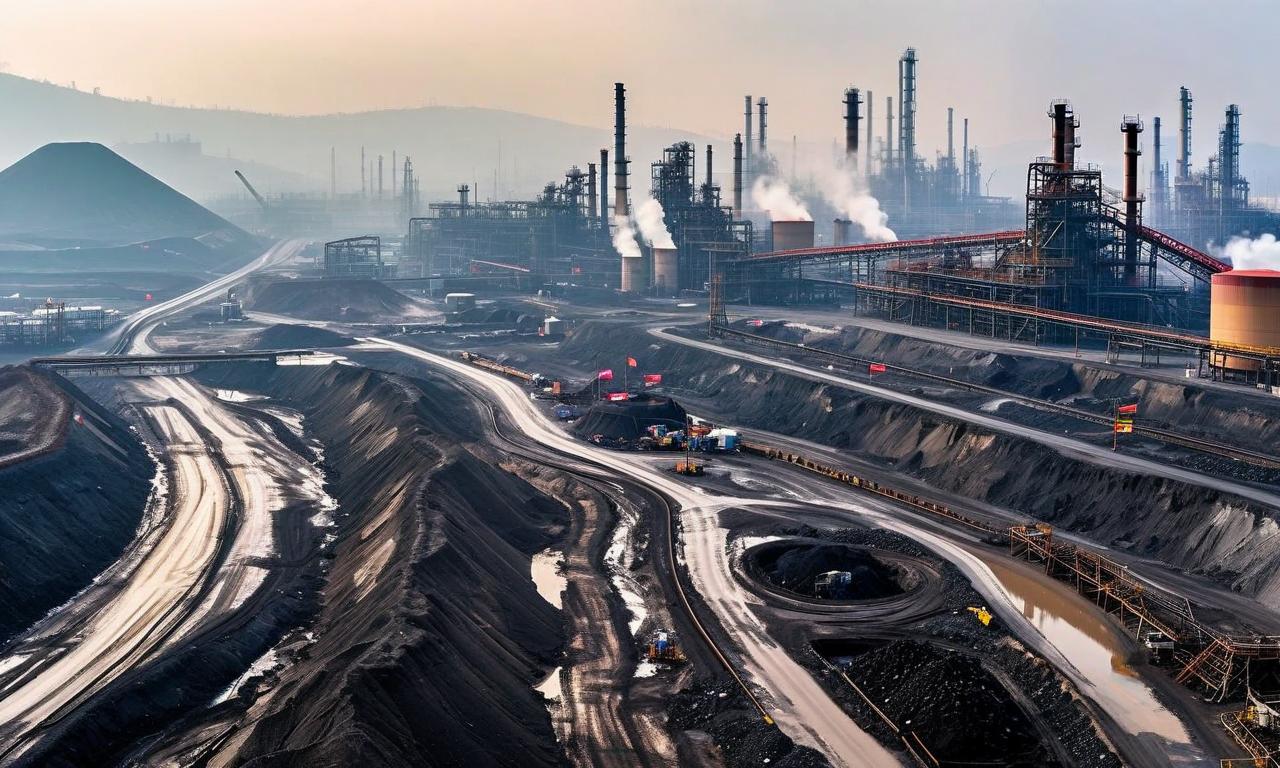
*this image is generated using AI for illustrative purposes only.

China has announced a comprehensive 19-point consumption plan aimed at attracting foreign investors and tourists, as the country grapples with economic indicators that fell short of expectations in August. The move comes as a strategic response to challenges in factory output and retail sectors.

Economic Indicators Raise Concerns

Recent data reveals a concerning trend in China's economic performance:

  • Industrial output growth hit a 12-month low, expanding by 5.20% year-on-year
  • Retail sales rose by 3.40%, down from July's 3.70% increase

These figures underscore the need for targeted measures to stimulate economic activity and consumer spending.

Key Features of the 19-Point Plan

The newly unveiled plan encompasses several initiatives designed to revitalize various sectors of the Chinese economy:

  1. Market Liberalization: Promises to open up markets in key sectors including:

    • Medical care
    • Leisure
    • Telecommunications
    • Internet
    • Culture
    • Education
  2. Investment Climate: Lowering investment restrictions to create a more favorable environment for foreign capital.

  3. Pilot Cities: Construction of pilot cities focused on new consumption formats, integrating:

    • Business
    • Travel
    • Culture
    • Sports
    • Health
  4. Tourism Boost:

    • Expansion of visa-free policies
    • Introduction of five-year multiple-entry visas

Tourism Sector's Significance

The importance of the tourism sector to China's economy cannot be overstated:

Metric Value
Economic Contribution ¥12.00 trillion
Employment 82.00 million

These figures highlight why boosting tourism is a key focus of the new plan.

Analyst Perspectives

While the government's efforts are seen as a direct response to economic challenges, analysts remain cautious. They note that similar initiatives in the past have not always yielded the desired results or maintained momentum over time.

Conclusion

As China implements this ambitious 19-point plan, the global economic community will be watching closely to see if these measures can effectively stimulate foreign investment and domestic consumption. The success of this plan could have significant implications for China's economic trajectory in the coming months and years.

like15
dislike

China's Coal and Steel Output Dips Amid Government Controls and Economic Challenges

1 min read     Updated on 15 Sept 2025, 09:58 AM
scanx
Reviewed by
Anirudha BScanX News Team
AI Summary

China's coal production dropped 3.20% to 391.00 million tons in August, marking the second consecutive month of decline. Steel production fell 0.70% to 77.40 million tons, the fourth monthly decrease. Factors include government controls, heavy rains, anti-pollution measures, and the property crisis. Factory deflation is easing, while cement and glass production also decreased. Aluminum production remained steady at 3.80 million tons, and oil refining surged 7.60% to 63.50 million tons.

powered bylight_fuzz_icon
19456115

*this image is generated using AI for illustrative purposes only.

China, the world's largest producer of coal and steel, is experiencing a notable decline in output across key industrial sectors. Recent data reveals a complex picture of the country's economic landscape, influenced by government policies, environmental measures, and broader market forces.

Coal Production Continues to Fall

China's coal production saw a significant drop of 3.20% in August, reaching 391.00 million tons. This marks the second consecutive month of year-on-year decline, highlighting the impact of various factors on the country's energy sector.

Steel Industry Faces Headwinds

The steel industry also witnessed a downturn, with production falling 0.70% to 77.40 million tons in August. This represents the fourth consecutive monthly decrease, reflecting ongoing challenges in the sector.

Factors Behind the Decline

Several key factors have contributed to these production declines:

  1. Government Production Controls: Authorities have implemented measures to regulate output in these industries.
  2. Heavy Rains: Adverse weather conditions have impacted production capabilities.
  3. Anti-Pollution Measures: Efforts to improve air quality, particularly around Beijing in preparation for a military parade, have led to production restrictions.
  4. Property Crisis: The ongoing challenges in China's real estate sector have affected demand for construction materials.

Wider Economic Implications

The production data paints a broader picture of China's economic situation:

  • Factory Deflation Easing: For the first time in six months, factory deflation has shown signs of improvement, suggesting some progress in Beijing's efforts to combat inflation.
  • Construction Materials Decline: Cement and glass production have also decreased, further reflecting the impact of the property sector crisis.
  • Steel Mill Strategy: Since May, steel mills have been reducing output to improve profit margins.

Mixed Performance in Other Sectors

While coal and steel face challenges, other industries show varied performance:

  • Aluminum Production: Remained steady at 3.80 million tons.
  • Oil Refining: Experienced a significant surge of 7.60%, reaching 63.50 million tons, attributed to plants restarting operations after maintenance periods.

Conclusion

The recent declines in China's coal and steel production underscore the complex interplay of government policies, environmental concerns, and economic challenges facing the world's second-largest economy. As China navigates these issues, the global markets will be watching closely for signs of stabilization or further shifts in these crucial industrial sectors.

like20
dislike