

China Launches Military Drills Around Taiwan Following US Arms Deal


China announced comprehensive military exercises around Taiwan, dubbed 'Justice Mission-2025', involving army, navy, air force, and rocket force units. The drills, including live-fire training in five zones around Taiwan, are set to begin Monday. This move follows China's imposition of sanctions on 20 US defense firms and 10 executives in response to a recent $11.00 billion US arms sale to Taiwan. The sanctions include asset freezes and business restrictions on major companies like Boeing and Northrop Grumman. These actions represent China's most significant military response to US-Taiwan cooperation since April.

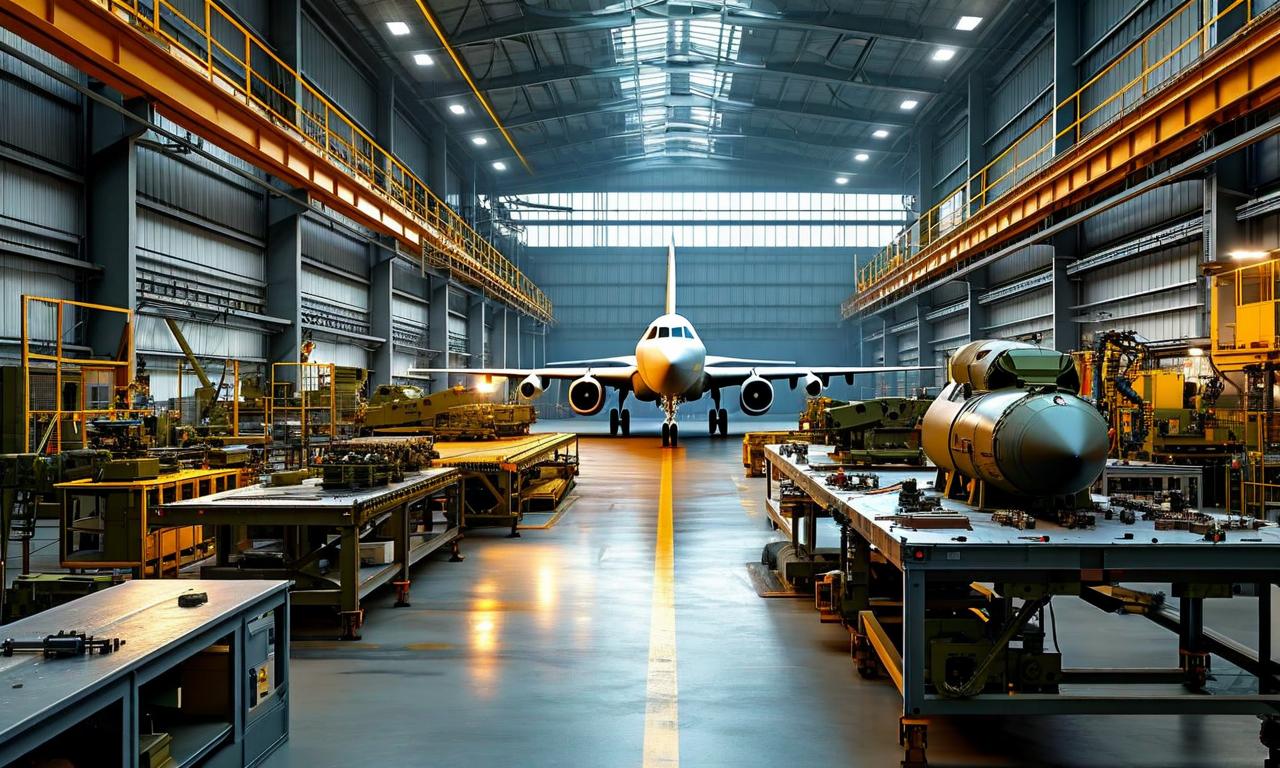

*this image is generated using AI for illustrative purposes only.
China escalated tensions with Taiwan by announcing comprehensive military exercises around the self-governing island, following its earlier sanctions against US defence companies over Washington's latest arms sales package. The "Justice Mission-2025" exercises represent Beijing's most significant military response since imposing symbolic sanctions on 20 US defence firms and 10 executives.
Military Exercise Escalation
The Chinese military announced that army, navy, air force, and rocket force units would participate in the drills beginning Monday, designed to "test the actual combat capability of theatre troops in joint operations." The exercises include live-fire training in five designated blocks around Taiwan.
| Exercise Details | Information |
|---|---|
| Operation Name | Justice Mission-2025 |
| Start Date | Monday (army, navy, air force, rocket force) |
| Live-Fire Training | Tuesday in five blocks around Taiwan |
| Participating Forces | Army, navy, air force, rocket force |
| Stated Purpose | Test joint operations combat capability |
"It is a stern warning against 'Taiwan Independence' separatist forces, and it is a legitimate and necessary action to safeguard China's sovereignty and national unity," stated Senior Colonel Shi Yi. The People's Liberation Army advised that "any irrelevant vessel or aircraft is advised not to enter" the designated drill zones.
Comprehensive Sanctions Package
The military exercises follow China's announcement of sanctions against major US defence contractors and senior executives. The measures include asset freezes and comprehensive business restrictions designed to isolate the targeted entities from Chinese operations.
| Sanction Type | Details |
|---|---|
| Companies Targeted | 20 US defence firms |
| Individuals Sanctioned | 10 senior executives |
| Asset Measures | Freezing of all Chinese-held assets |
| Business Restrictions | Complete prohibition on Chinese transactions |
| Travel Bans | Entry prohibition to China, Hong Kong and Macau |
Major companies affected include:
- Boeing's St. Louis operations
- Northrop Grumman Systems Corporation
- L3Harris Maritime Services
- Anduril Industries
- Vantor (formerly Maxar Intelligence)
The individual sanctions specifically target Palmer Luckey, founder of Anduril Industries, and Vantor Chief Executive Officer Dan Smoot, along with eight other senior executives from the sanctioned firms.
Record Arms Deal Triggers Response
Both the sanctions and military exercises stem from the State Department's approval of an arms sales package worth up to $11.00 billion for Taiwan, marking one of the largest ever US weapons deals for the island. The package covers equipment including missiles, drones and artillery systems.
| Deal Parameters | Value |
|---|---|
| Total Package Value | $11.00 billion |
| Equipment Included | Missiles, drones, artillery systems |
| Significance | One of largest ever US-Taiwan arms deals |
Historical Context and Escalation Pattern
These represent the first significant PLA drills off Taiwan since operations conducted in April, which tested blockade capabilities and included mock strikes against fictitious targets, including ports and energy infrastructure. Since Taiwanese President Lai Ching-te assumed office in May, Beijing has increased military intimidation of the democracy of 23 million people.
China views Taiwan as a breakaway province that must ultimately be brought under its control, by force if necessary, a position Taipei firmly rejects. China vowed to "take effective and strong measures to safeguard national sovereignty" in response to the US arms authorization, demonstrating an escalating pattern of military and economic responses to US-Taiwan cooperation.
 17
17




 Create Custom Screeners
  Access 200+ Pre-built Filters
  Use 50+ Readymade Screener





