

China Announces Import Tariff Cuts on 935 Items from 2026


China will implement lower provisional import tariffs on 935 items starting January 1, 2026, aiming to address trade imbalances and enhance market synergy. The tariff cuts target key sectors including technology, green development, and healthcare. China's total foreign trade reached ¥41.21 trillion in recent statistics, with a $1.09 trillion trade surplus. The country will maintain existing tariff agreements with 34 trading partners and continue zero-tariff treatment for 43 least developed countries.

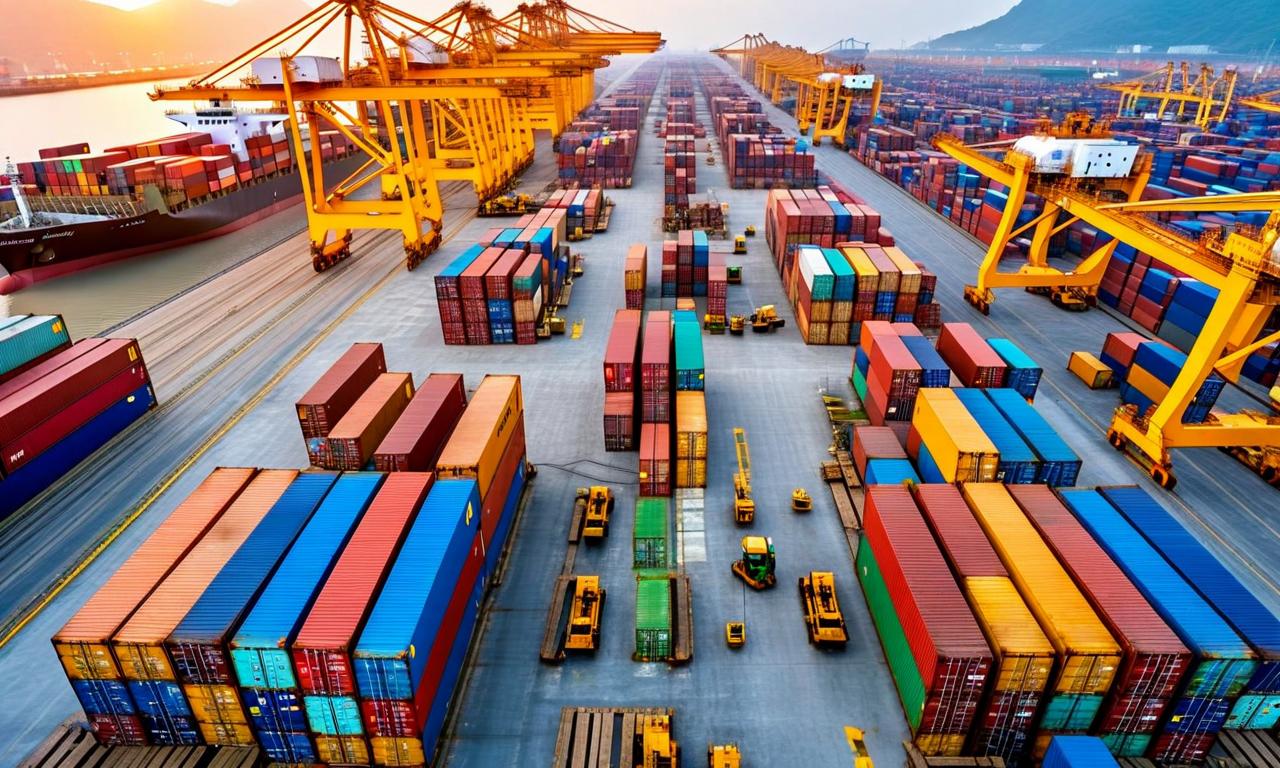

*this image is generated using AI for illustrative purposes only.
China has announced significant changes to its import tariff structure, implementing provisional rates lower than most-favoured-nation rates on 935 items starting January 1, 2026. The Customs Tariff Commission of the State Council made the announcement on Monday, positioning the move as a response to longstanding criticism that China imports far less than it exports, creating substantial trade surpluses.
Policy Objectives and Implementation
The new tariff structure aims to enhance synergy between domestic and international markets while leveraging resources more effectively to expand the supply of high-quality goods. The commission emphasized that these changes support China's broader economic integration goals and address international concerns about trade imbalances.
| Policy Details | Information |
|---|---|
| Effective Date | January 1, 2026 |
| Items Covered | 935 products |
| Rate Type | Provisional import tariffs |
| Comparison | Lower than most-favoured-nation rates |
Targeted Sectors and Products
The tariff reductions will focus on several strategic areas to support China's development priorities. Key components and advanced materials will see reduced tariffs to support high-level technological self-reliance, while certain resources will benefit from lower rates to facilitate green development initiatives.
Medical products represent another priority area, with artificial blood vessels specifically mentioned among items receiving tariff relief to improve public well-being. The policy also includes provisions for optimizing tariff headings and national subheading notes, with new categories for emerging technologies.
| Priority Sectors | Target Products |
|---|---|
| Technology | Key components, advanced materials |
| Green Development | Environmental resources |
| Healthcare | Medical products, artificial blood vessels |
| Innovation | Intelligent bionic robots, bio-aviation kerosene |
Current Trade Performance
China's foreign trade statistics highlight the scale of its international commerce and the context for these tariff changes. According to official statistics from the General Administration of Customs, China's total foreign trade reached ¥41.21 trillion (approximately $5.82 trillion), representing a 3.6% year-on-year increase.
| Trade Metrics | Value | Growth |
|---|---|---|
| Total Foreign Trade | ¥41.21 trillion ($5.82 trillion) | +3.6% YoY |
| Exports | $3.46 trillion | - |
| Imports | $2.37 trillion | - |
| Trade Surplus | $1.09 trillion | - |
International Trade Agreements
The announcement extends beyond unilateral tariff reductions to encompass China's broader trade relationship framework. China will continue applying agreed tariff rates to imported goods from 34 trading partners under 24 free trade agreements and preferential trade arrangements throughout 2026.
Additionally, China will maintain zero-tariff treatment on 100% of tariff lines for 43 least developed countries that have established diplomatic relations with China. This comprehensive approach demonstrates China's commitment to deepening economic cooperation and promoting regional integration while addressing criticism about its export-focused trade strategy.
 17
17







 Access Market Heat-map & Insights
  Create, Save & Share your Screener
  Use 200+ Screening Filters





