

Venus Pipes & Tubes reappoints seven directors, approves ₹0.50 dividend


- Venus Pipes & Tubes approved a ₹0.50 per share final dividend for FY26
- Seven directors were reappointed for five-year terms ending in 2031
- Promoters backed all resolutions with 99.97% of their votes
- Institutions opposed Shyam Agrawal's reappointment and borrowing limit increases

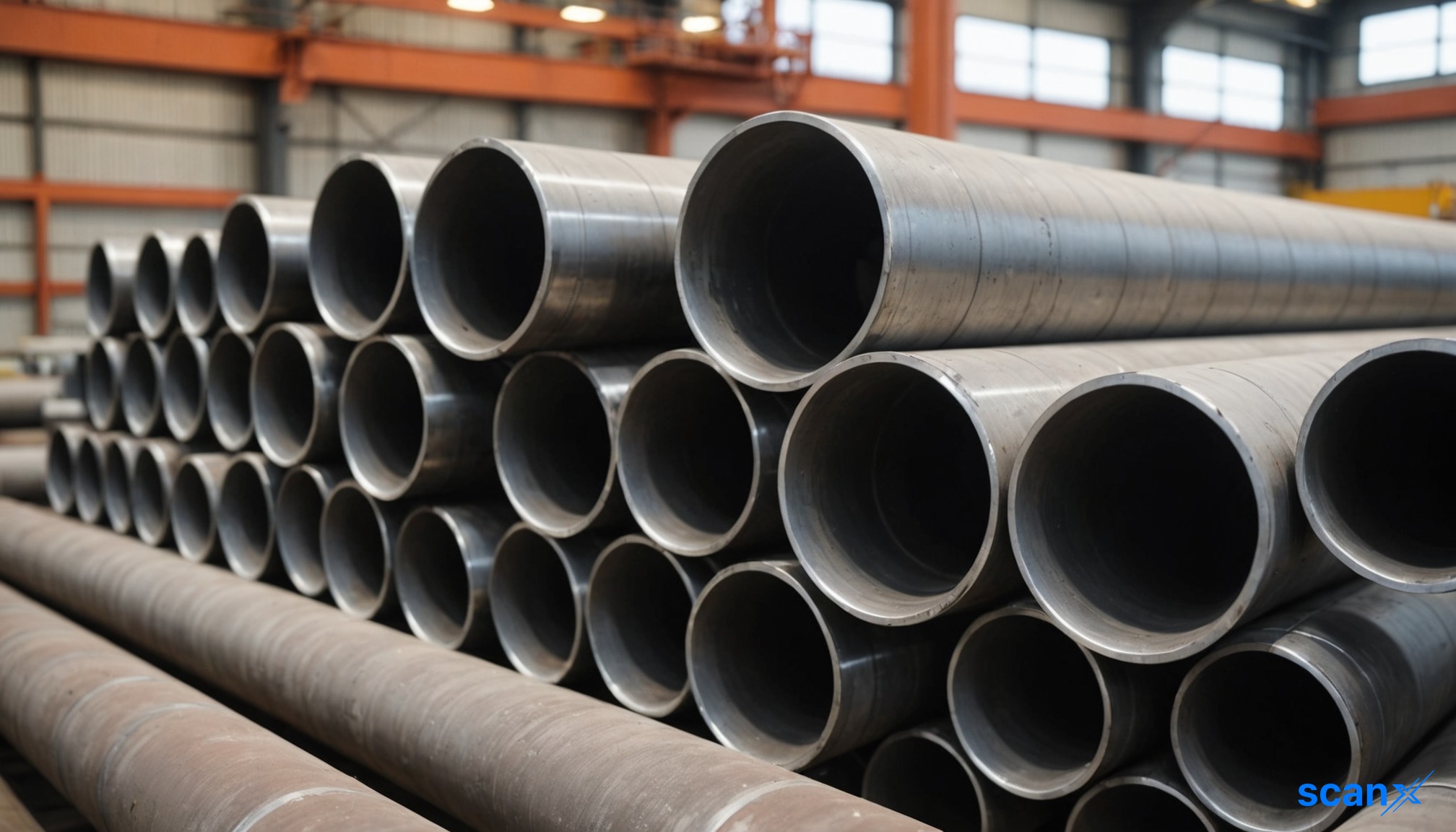

*this image is generated using AI for illustrative purposes only.
Shareholders of Venus Pipes & Tubes approved a final dividend of ₹0.50 per equity share for FY26 and reappointed seven board members for five-year terms at the company's 12th Annual General Meeting held on September 11, 2026.
The AGM, conducted via Video Conference/Other Audio Visual Means (OAVM), processed votes from shareholders holding 20,716,110 shares. Remote e-voting ran from September 7 to September 10, 2026, while e-voting was available during the meeting on September 11, 2026. Piyush Prajapati & Associates served as the scrutinizer for the voting process.
Dividend and Financials
Members confirmed the payment of an interim dividend of ₹0.50 per equity share (5%) and declared a final dividend of ₹0.50 per equity share (5%) for the financial year ended March 31, 2026. The resolution passed with unanimous support from all voting categories.
Board Reappointments
The AGM approved the reappointment of several directors for terms extending to September or October 2031:
- Mr. Arun Axaykumar Kothari as Chairman and Managing Director (liable to retire by rotation)
- Mr. Megharam Sagramji Choudhary as Wholetime Director (liable to retire by rotation)
- Mr. Dhruv Mahendrakumar Patel as Wholetime Director (liable to retire by rotation)
- Mr. Jayantiram Motiram Choudhary as director retiring by rotation
- Mr. Kailash Nath Bhandari as Independent Director (second term, not liable to retire by rotation)
- Mr. Pranay Ashok Surana as Independent Director (second term, not liable to retire by rotation)
- Mrs. Komal Lokesh Khadaria as Independent Director (second term, not liable to retire by rotation)
Mr. Shyam Agrawal's reappointment as Independent Director also passed, though it received significant opposition from institutional investors.
Voting Analysis
| Resolution | Category | Votes In Favour (%) | Votes Against (%) |
|---|---|---|---|
| Financial Statements Adoption | Ordinary | 100.00% | 0.00% |
| Final Dividend Declaration | Ordinary | 100.00% | 0.00% |
| Cost Auditor Remuneration | Ordinary | 99.99% | 0.00% |
| Managing Director Reappointment | Ordinary | 99.47% | 0.53% |
| Borrowing Limit Increase | Special | 84.50% | 15.50% |
| Creation of Charges | Special | 91.96% | 8.04% |
Promoter group shareholders voted in favor of all resolutions, casting 10,026,824 votes representing 99.97% of their outstanding shares. Public institutional shareholders showed varying levels of support across different agenda items.
What the Numbers Show
Institutional investors opposed Mr. Shyam Agrawal's reappointment as Independent Director, with 88.49% of their votes cast against the resolution. Despite this opposition, the resolution passed due to strong promoter support, receiving 84.35% of total votes polled in favor. Similarly, institutional shareholders voted against increasing borrowing limits (87.69% against) and creation of charges (45.50% against), though both special resolutions secured majority approval overall.
The cost auditor remuneration ratification received near-unanimous support, with only 664 votes cast against out of 13,593,219 total votes polled.
Historical Stock Returns for Venus Pipes & Tubes
| 1 Day | 5 Days | 1 Month | 6 Months | 1 Year | 5 Years |
|---|---|---|---|---|---|
| -5.30% | -1.27% | +17.41% | +101.61% | +64.29% | +498.22% |

How might the significant institutional opposition to the borrowing limit increase impact Venus Pipes & Tubes' future credit ratings or cost of capital?
What strategic initiatives is the management planning to fund with the newly approved higher borrowing limits and creation of charges?
Could the dissent from institutional investors regarding Mr. Shyam Agrawal's reappointment signal broader governance concerns that may affect future institutional investment flows?
 16
16







 Create Custom Screeners
  Access 200+ Pre-built Filters
  Use 50+ Readymade Screener





