Technip Energies to release H1 2026 results on July 30

scanx
Reviewed by
Anirudha BScanX News Team
Key Highlights

Technip Energies announced it will publish its H1 2026 financial results on July 30, 2026. A conference call is scheduled for the same day to discuss the results.


powered bylight_fuzz_icon
43955196

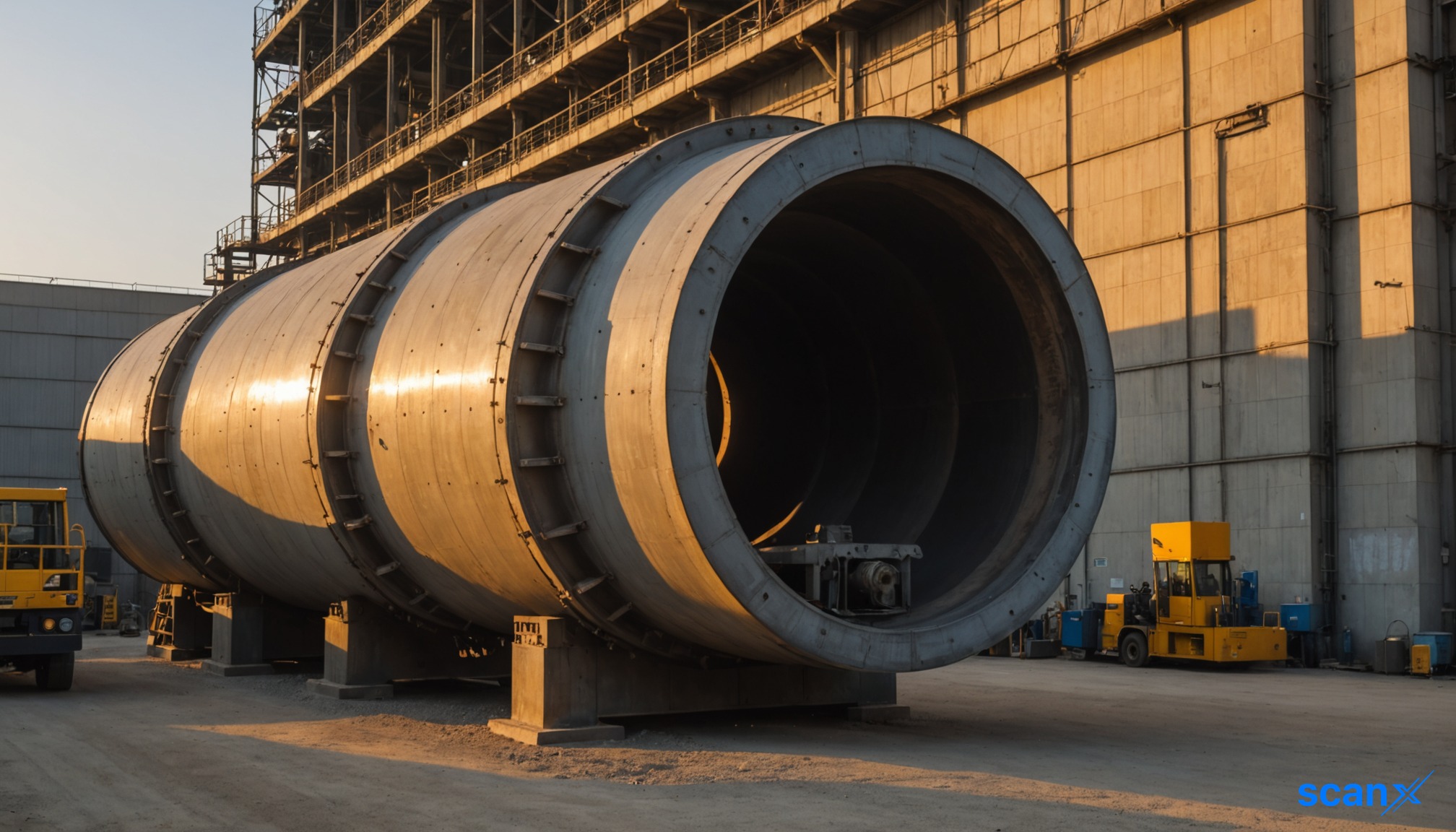
*this image is generated using AI for illustrative purposes only.

Technip Energies will release its financial results for the first half of 2026 on July 30, 2026, at 07:30 CEST. The company will host a conference call later that day at 14:00 CEST to discuss the performance and outlook for the period.

Investors and analysts can participate in the call by dialing in approximately 10 minutes before the scheduled start time. The company provided specific dial-in numbers for different regions, along with a universal conference code for access.

Conference Call Details

Region Dial-in Number
FR +33 1 70 91 87 04
UK +44 1 212818004
US +1 718 7058796
Conference Code 880901

The event will be webcast simultaneously, allowing participants to listen online. Registration for the webcast is required at least 10 minutes before the call begins. A replay of the webcast will be available on-demand shortly after the event concludes.

Technip Energies operates as a technology and engineering company with leadership positions in LNG, hydrogen, ethylene, sustainable chemistry, and CO2 management. The company reported revenues of €7.2 billion in 2025 and is listed on Euronext Paris.

Disclaimer: This article is AI-generated using data from ViewTrade. ScanX is not liable for any inaccuracies.

How will Technip Energies' performance in the first half of 2026 reflect the growing demand for LNG and hydrogen projects?

What strategic initiatives might the company announce to strengthen its position in sustainable chemistry and CO2 management?

Could the financial results reveal any shifts in regional revenue distribution, particularly in key markets like Europe and North America?

like16
dislike

Partners form Rebound JV to produce 160,000 tons of SAF in France

scanx
Reviewed by
Shriram SScanX News Team
Key Highlights

Technip Energies, Airbus, Safran and Tereos have agreed to create Rebound, a joint venture to develop a Sustainable Aviation Fuel production project at the Port of Dunkirk. The facility will use Alcohol-to-Jet technology to produce approximately 160,000 tons of SAF per year. The joint venture is expected to be finalised in the second half of this year.

powered bylight_fuzz_icon
42529259

*this image is generated using AI for illustrative purposes only.

Technip Energies, Airbus, Safran and Tereos have entered into an agreement to create Rebound, a joint venture to develop a large-scale Sustainable Aviation Fuel (SAF) production project at the Port of Dunkirk in Northern France. The project aims to produce approximately 160,000 tons of SAF per year using the Alcohol-to-Jet (AtJ) technological pathway, contributing to European energy sovereignty and supporting France's industrial leadership in the energy transition.

The partners have committed to fund the project's development phase, which includes engineering studies and activities required to consider a Final Investment Decision (FID). The creation of the joint venture is subject to customary closing conditions and approvals and is expected to be finalised in the second half of this year.

Project Development and Roles

In this development phase, Technip Energies will act as the lead developer and engineering service provider, leveraging its expertise in technology scaling and complex project execution. Airbus and Safran will join as industrial partners, offtake facilitators and potential SAF offtakers. Tereos, a French agricultural cooperative and European leader in ethanol production, intends to supply and source the advanced ethanol required for the project.

A key milestone has been reached with the Port of Dunkirk awarding Technip Energies an industrial site. This location offers logistical advantages for feedstock and product transport, as well as a streamlined permitting pathway.

Regulatory Context and Technology

SAF is recognised as a primary lever to decarbonise aviation. Under the European Union's Refuel EU Aviation regulation, SAF blending mandates will rise progressively, reaching 6% by 2030 and 70% by 2050. This regulation is expected to drive an eightfold increase in demand between 2030 and 2050. The Alcohol-to-Jet pathway converts advanced ethanol, produced from agricultural and forestry residues, into drop-in aviation fuel that can be blended with conventional jet fuel and used in existing engines.

Next Steps

The partners will progress through a disciplined, stage-gated development process. Upcoming steps include the selection of the technology licensor, permitting activities, the launch of pre-FEED and FEED activities, finalisation of feedstock supply and SAF offtake agreements, and securing financing for the construction of the asset.

Partner Role in Project
Technip Energies Lead developer and engineering service provider
Airbus Industrial partner, offtake facilitator, potential offtaker
Safran Industrial partner, offtake facilitator, potential offtaker
Tereos Supplier and source of advanced ethanol
Disclaimer: This article is AI-generated using data from ViewTrade. ScanX is not liable for any inaccuracies.

What specific financing mechanisms will the partners pursue to fund the construction phase following the Final Investment Decision?

How will the joint venture secure a consistent supply of agricultural and forestry residues to meet the 160,000-ton annual production target?

What criteria will be used to select the technology licensor for the Alcohol-to-Jet process?

like18
dislike