Eveready Industries India Limited reported a 22.3% year-on-year increase in consolidated net profit to ₹37.0 crore for the quarter ended June 30, 2026 (Q1FY27), driven by a 9% rise in revenue from operations to ₹407.7 crore. This marks the seventh consecutive quarter of revenue growth for the company, underscoring its resilience amid inflationary pressures on key inputs like zinc. The results were bolstered by strong performance in the battery and lighting segments, alongside the commencement of commercial production at its new alkaline battery manufacturing facility in Jammu on May 29, 2026.
The Board of Directors approved the unaudited financial results on August 8, 2026, in compliance with Regulation 30 of the SEBI (Listing Obligations and Disclosure Requirements) Regulations, 2015. The statutory auditors, Singhi & Co., conducted a limited review of the results. Consolidated EBITDA stood at ₹60.7 crore, with a margin of 14.89% compared to 14.33% in the previous year, reflecting effective cost management and calibrated pricing actions.
Financial Performance Overview
Revenue from operations increased to ₹407.7 crore in Q1FY27 from ₹374.1 crore in Q1FY26. Total expenses rose moderately, allowing profit before tax to expand significantly. The company managed input cost inflation through procurement interventions and forex hedging strategies. Earnings per share (basic) were reported at ₹5.08, up from ₹4.15 in the corresponding period last year.
The table below summarises the key financial metrics for the quarter:
| Metric: |
Q1FY27 |
Q1FY26 |
Change |
| Revenue from Operations: |
₹407.7 crore |
₹374.1 crore |
+9% |
| EBITDA: |
₹60.7 crore |
₹53.6 crore |
+13.25% |
| EBITDA Margin: |
14.89% |
14.33% |
+56 bps |
| Net Profit: |
₹37.0 crore |
₹30.2 crore |
+22.3% |
Segmental Highlights and Operational Updates
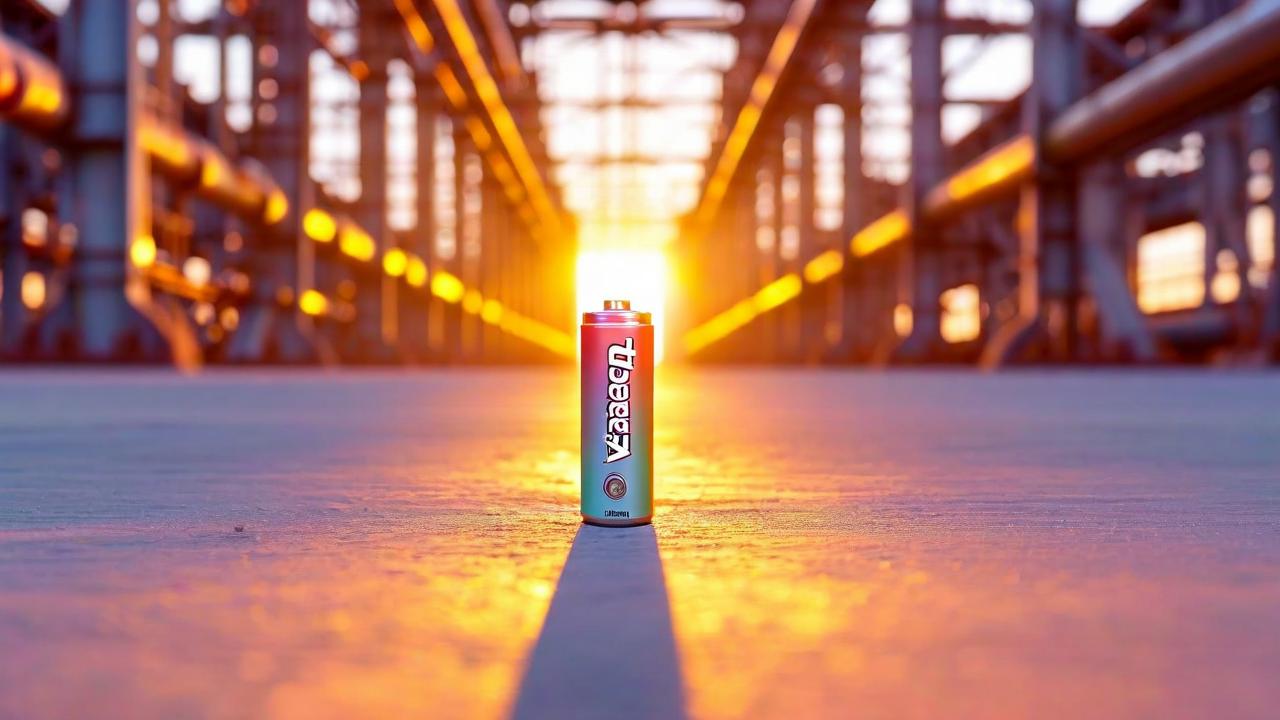
The battery segment led the growth with an 11.9% revenue increase, driven by a 56% surge in alkaline battery revenue, which grew from ₹20.6 crore to ₹32.1 crore. Alkaline batteries now account for 12% of the battery segment's revenue split, while carbon zinc and others hold 88%. Management noted that the company’s market share in the alkaline sector has expanded to 18%, reflecting the success of its premiumization strategy. The lighting segment recorded a 13.7% growth, supported by healthy volumes across LED bulbs and emergency lighting, with price erosion showing signs of moderation. Conversely, the flashlight segment saw a 6.7% revenue decline due to delayed monsoon onset affecting conventional flashlight sales, although rechargeable flashlights grew over 20%, contributing ₹31.5 crore compared to ₹25.8 crore in Q1FY26.
Operationally, the Jammu facility, India's only operational alkaline battery plant with an annual capacity of 456 million units, has begun commercial production. This development supports import substitution and is expected to yield long-term cost benefits as utilization scales. Management indicated that the plant could deliver a 10% gross margin improvement over imported finished goods once stabilized. Additionally, Eveready launched new products including the SHOR rechargeable torch with an animal alarm feature for farm protection, the Xtra Bright LED bulb for emergency lighting, and a patent-applied portable liquid vaporizer.
Market Share and Competitive Landscape
During the earnings call, management highlighted that Eveready’s overall market share in the dry cell segment has grown to approximately 58%, up from levels around 50% previously. This growth is primarily attributed to gains in the high-growth alkaline category, where the company now holds an 18% share. In contrast, the carbon zinc segment, which constitutes the majority of the market, remains relatively flat. Competitors such as Panasonic and Nippo hold significant shares in the zinc business, while Duracell remains a key competitor in the alkaline segment.
Strategic Outlook and Balance Sheet
Looking ahead, management expressed optimism about sustaining growth momentum through premiumization and manufacturing investments. The Jammu facility is expected to support both domestic demand and potential white-label export opportunities. On the balance sheet front, current debt stands at approximately ₹165 crore. With the recent investment of over ₹200 crore in the Jammu plant and healthy operating cash flows, management aims to become debt-free within the next four to five quarters. Pre-operative expenses for the Jammu plant have been capitalized as per accounting standards, with post-commencement costs charged to the P&L.
What the Numbers Show
The divergence between the 9% revenue growth and the 22.3% jump in net profit highlights improved operational leverage. While material costs rose, they did not outpace revenue growth, indicating effective input cost management. The improvement in EBITDA margin to 14.89% from 14.33% despite inflation in zinc and foreign exchange-linked inputs demonstrates the efficacy of the company's pricing power and cost discipline. The Jammu plant's ramp-up remains a key driver for localization benefits as utilization scales over time.




 18
18





 Create Custom Screeners
  Access 200+ Pre-built Filters
  Use 50+ Readymade Screener





