

AOS launches AOPL66801 MOSFET with AmpStack packaging


Alpha and Omega Semiconductor Limited launches the AOPL66801 80V MOSFET with AmpStack packaging, offering higher power density and reduced parasitic inductance for AI and industrial applications. The device is priced at $6.16 per unit in 1,000-piece quantities.


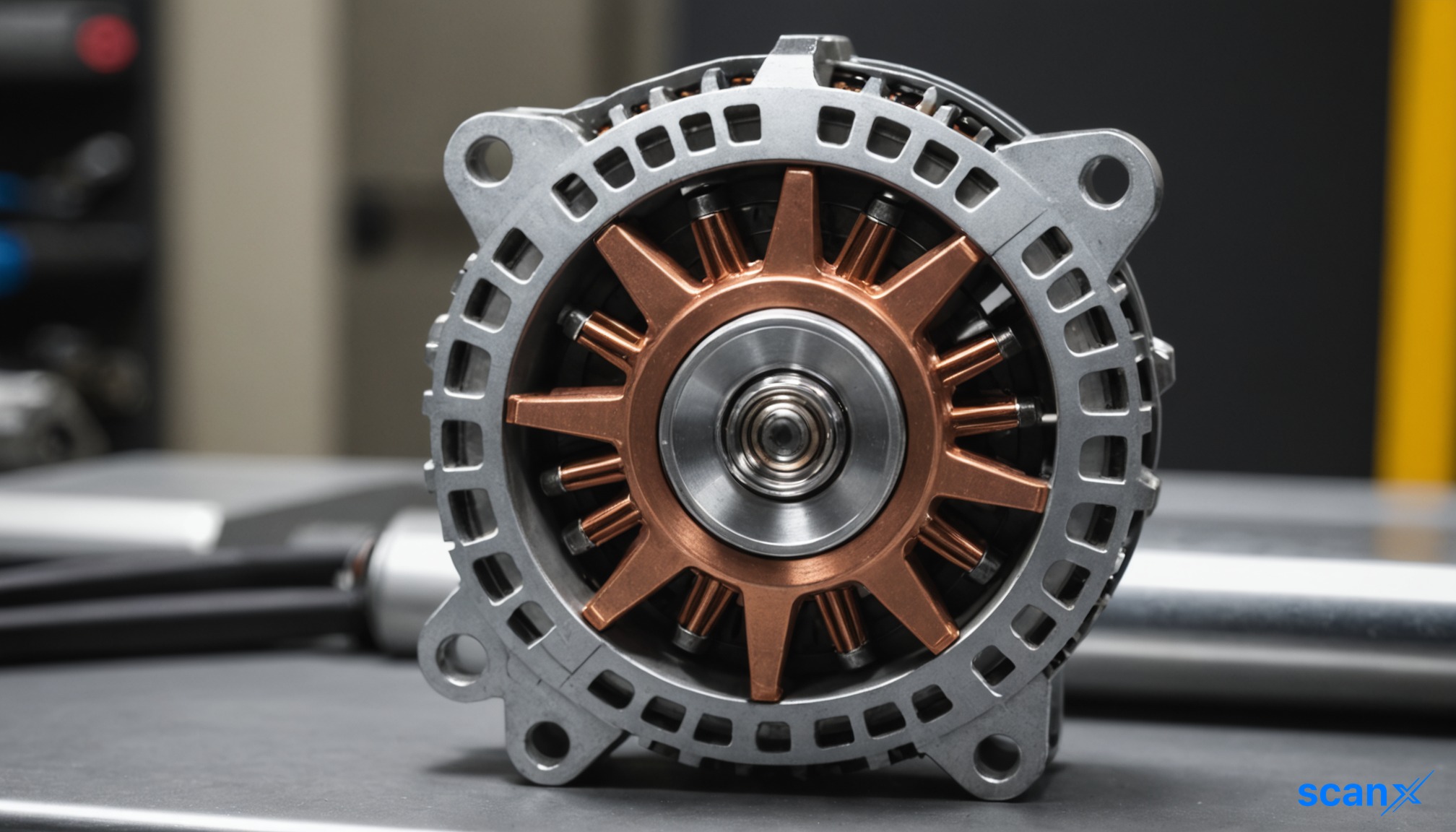
*this image is generated using AI for illustrative purposes only.
Alpha and Omega Semiconductor Limited (AOS) has introduced the AOPL66801 80V MOSFET in a half-bridge configuration, utilizing its new AmpStack packaging technology to enhance power density for applications ranging from AI factories to power tools. The vertically stacked DFN6x5 package integrates two MOSFETs, forming a half-bridge that maximizes PCB space compared to discrete solutions. This design minimizes parasitic inductance, reducing phase-node voltage ringing and stress on the MOSFETs.
The AOPL66801 features an optimized clip design for the switch node and a Kelvin sense pin to maintain gate-voltage stability during high-speed switching. These technical improvements support higher power density and increased operational efficiencies. The device has a maximum junction temperature of 175 °C, providing robust thermal performance.
"Our new AmpStack half-bridge packaging is a game-changer for designers looking to increase power density compared to solutions using two DFN5x6 packages," said Peter H. Wilson, Sr. Director of the MOSFET product line at AOS. "Customers don't just get more power—they get significantly higher application reliability."
Technical Highlights
| Part Number | Package | VDS (V) | VGS (±V) | RDS(ON) (mΩ max) | ID (A) |
|---|---|---|---|---|---|
| AOPL66801 | DFN 6x5 | 80 | 20 | 2.2 | 304 / 215 |
The AOPL66801 is immediately available in production quantities with a 16-week lead time. The unit price in 1,000-piece quantities is $6.16.

How will the introduction of AmpStack packaging technology influence AOS's competitive position in the power semiconductor market?
What are the potential challenges in scaling the AmpStack technology for higher voltage or current applications?
How might the 16-week lead time impact customer adoption compared to competitors with shorter lead times?
 20
20






 Access Market Heat-map & Insights
  Create, Save & Share your Screener
  Use 200+ Screening Filters





