

Amazon pilots FFLB system to cut 7 million labor hours annually


Amazon.com Inc. is piloting the Full Facility Load Balancing (FFLB) system to optimize warehouse operations and reduce 7 million labor hours annually. The system updates staffing needs every three minutes and will roll out to Amazon Robotic Sortable facilities this year. This move follows recent changes in Amazon's robotics strategy, including the discontinuation of the Blue Jay robot and the acquisition of Fauna Robotics.

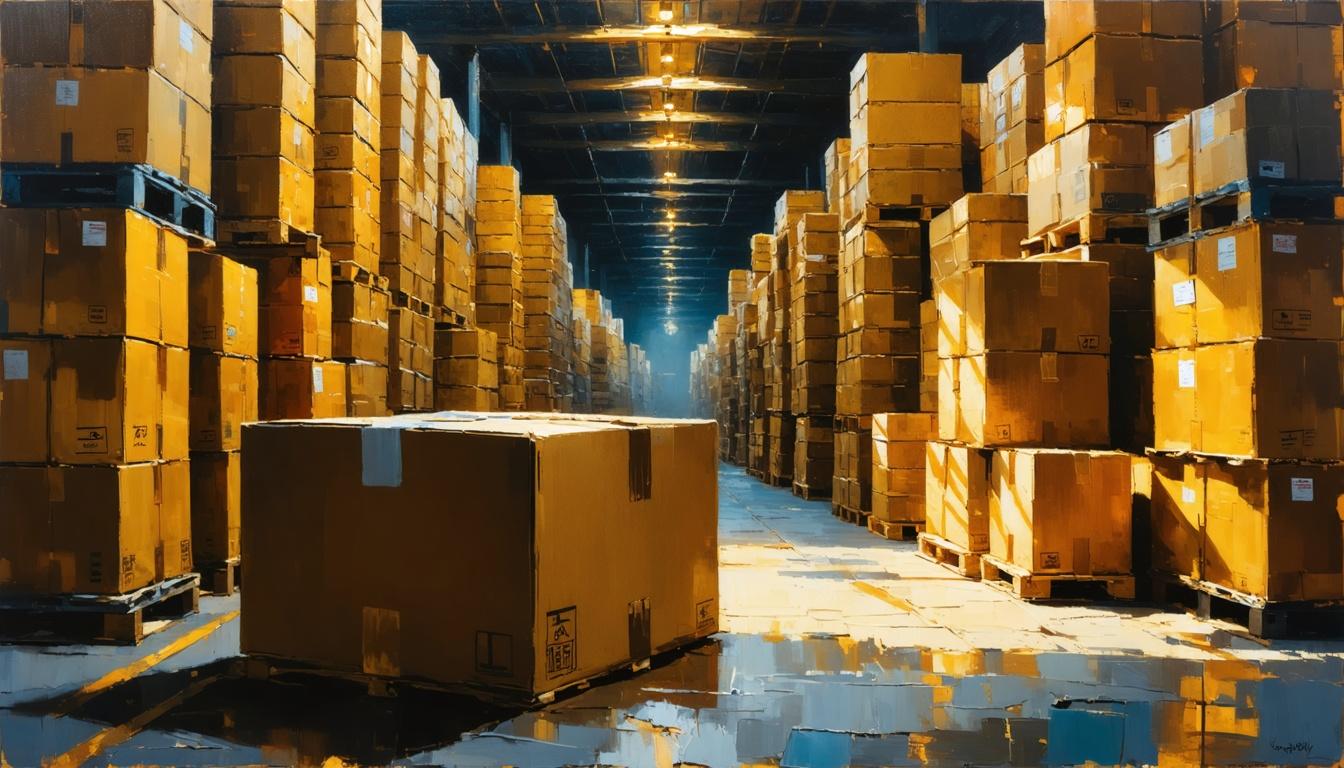

*this image is generated using AI for illustrative purposes only.
Amazon.com Inc. is reportedly piloting a new system, Full Facility Load Balancing (FFLB), designed to optimize human movement within its robot-filled warehouses. The initiative aims to save millions in labor costs and reduce almost 7 million labor hours each year, according to internal studies cited by a Business Insider report on Thursday. The projected savings are based on modeling assumptions rather than individual worker productivity data.
The FFLB system automatically reassigns workers based on fluctuating package volumes and workloads. It updates staffing needs every three minutes and recommends relocating workers to balance overstaffed and understaffed areas. Amazon plans to roll out FFLB across its Amazon Robotic Sortable (ARS) facilities this year, where humans and robots work together to fulfill customer orders. The company stated the system is designed to help managers respond to changing warehouse conditions rather than replace them.
Automation Overhaul
This pilot follows a series of changes in Amazon's robotics strategy. In February, Amazon discontinued its warehouse robot, Blue Jay, due to high costs and implementation issues, though it planned to incorporate parts of Blue Jay's technology into future systems. Later that month, Amazon acquired New York-based Fauna Robotics, which developed a 42-inch humanoid robot, Sprout, capable of walking, interacting with people, gripping objects, and performing simple tasks.
Workforce Impact
Amazon has been reducing roles amid its automation push. In March, the company laid off at least 100 white-collar employees in its robotics organization. Internal documents previously indicated that increased reliance on robots could eliminate the need to hire about 160,000 workers by 2027. This shift could help Amazon cut costs, with estimates showing savings of roughly 30 cents per item purchased and delivered, while further improving warehouse efficiency.

How will the implementation of FFLB affect worker morale and retention in Amazon's warehouses?
What are the potential risks of relying on modeling assumptions rather than actual productivity data for FFLB projections?
Could the increased automation and FFLB lead to further workforce reductions beyond the projected 160,000 by 2027?
 20
20










 Access Market Heat-map & Insights
  Create, Save & Share your Screener
  Use 200+ Screening Filters





