

Natural Gas Futures in the U.S. Climb More Than 6% to $3.43/MMBtu


U.S. natural gas futures demonstrated exceptional strength with a surge of more than 6% to $3.43 per MMBtu, representing a significant increase from previous levels of $3.12. The continued rally is supported by improved demand forecasts and geopolitical tensions between the U.S. and Iran, creating a bullish environment across energy commodities.

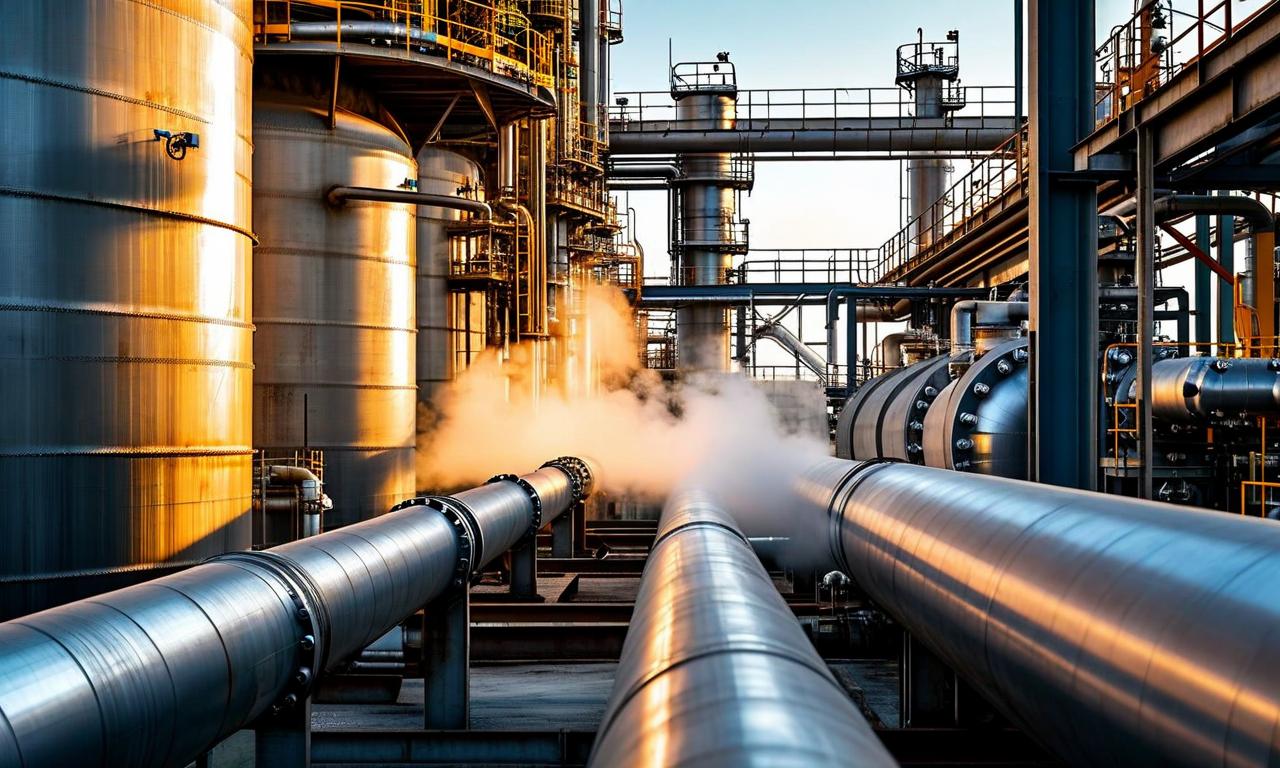

*this image is generated using AI for illustrative purposes only.
U.S. natural gas futures demonstrated exceptional strength, surging more than 6% to reach $3.43 per MMBtu, marking a significant escalation from previous trading levels. This substantial price movement represents continued bullish momentum in the energy commodities market, driven by multiple supportive factors including demand forecasts and geopolitical developments.
Market Performance Update
Natural gas futures have extended their impressive rally, with the latest surge pushing prices more than 6% higher to $3.43 per MMBtu. This represents a notable increase from the previous level of $3.12 per MMBtu, demonstrating sustained bullish momentum in the energy sector.
| Metric: | Current | Previous | Change |
|---|---|---|---|
| Price Level: | $3.43 per MMBtu | $3.12 per MMBtu | +$0.31 |
| Percentage Gain: | More than 6% | Over 5% | Extended rally |
| Market Status: | Multi-week high | Three-week high | Continued strength |
Fundamental and Geopolitical Support
The continued price strength reflects the convergence of multiple supportive factors. Forecasts indicating increased demand for natural gas continue to provide fundamental support for the rally, while escalating tensions between the U.S. and Iran have contributed to soaring global energy prices, creating a supportive environment across energy commodities.
Energy Market Dynamics
The natural gas market continues to benefit from both fundamental supply-demand dynamics and geopolitical risk premiums. The Energy Information Administration's storage data showing bigger-than-expected draws had previously provided fundamental support, with the latest price action demonstrating sustained market strength.
This extended rally positions natural gas futures at their strongest levels in several weeks, with the combination of improved demand forecasts and geopolitical uncertainties supporting the current upward price trajectory in the energy commodities sector.
 20
20










 Access Market Heat-map & Insights
  Create, Save & Share your Screener
  Use 200+ Screening Filters





