

Crude Oil Prices Jump 1.48% on US-Iran Tensions and Trump's Tariff Announcement


Crude oil prices surged over 1% on MCX, trading at ₹5,414.00 per barrel, following Trump's 25% tariff announcement on countries trading with Iran and warnings of military action amid anti-government protests. International benchmarks Brent and WTI rose 0.78% and 0.84% respectively. Additional supply concerns from Kazakhstan due to weather and infrastructure issues reinforced bullish sentiment. Analysts expect continued volatility with MCX crude support at ₹5,350.00 and resistance at ₹5,800.00. For India, which imports 89% of its crude requirements, rising oil prices pose significant risks including currency depreciation and inflation pressures.


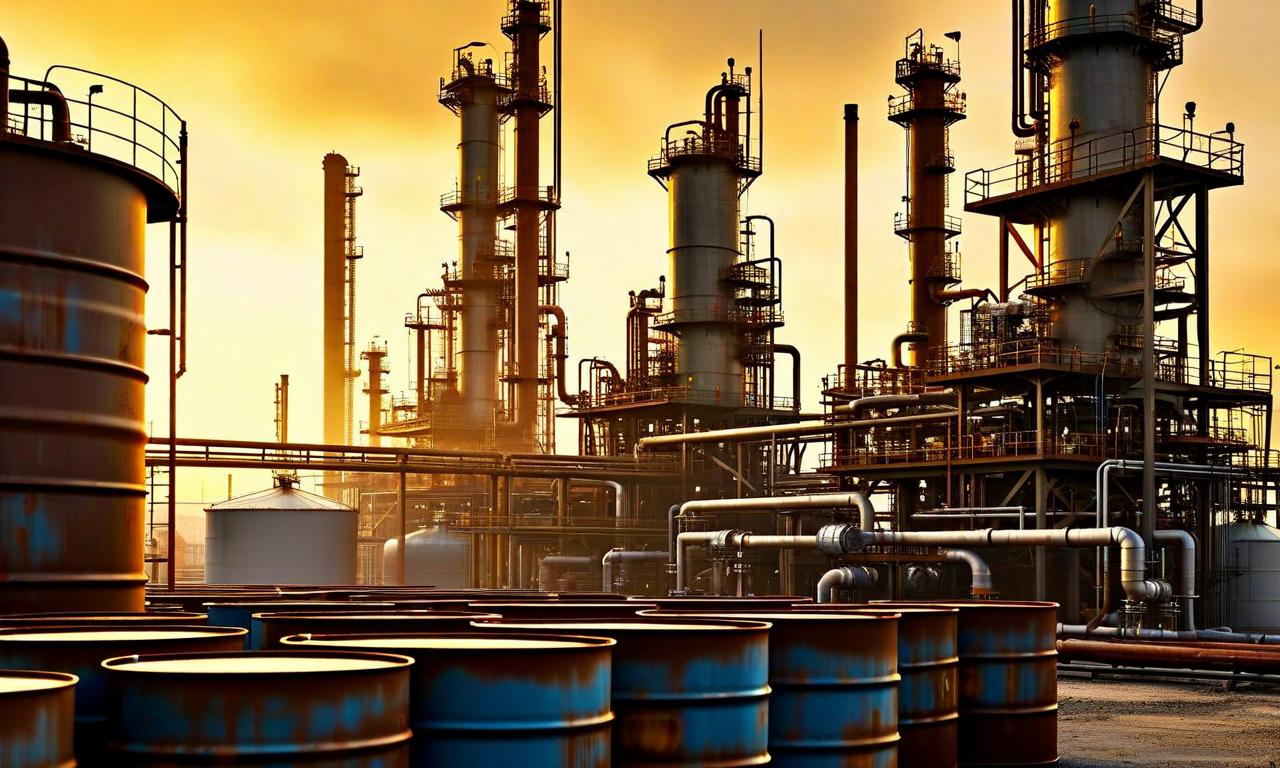
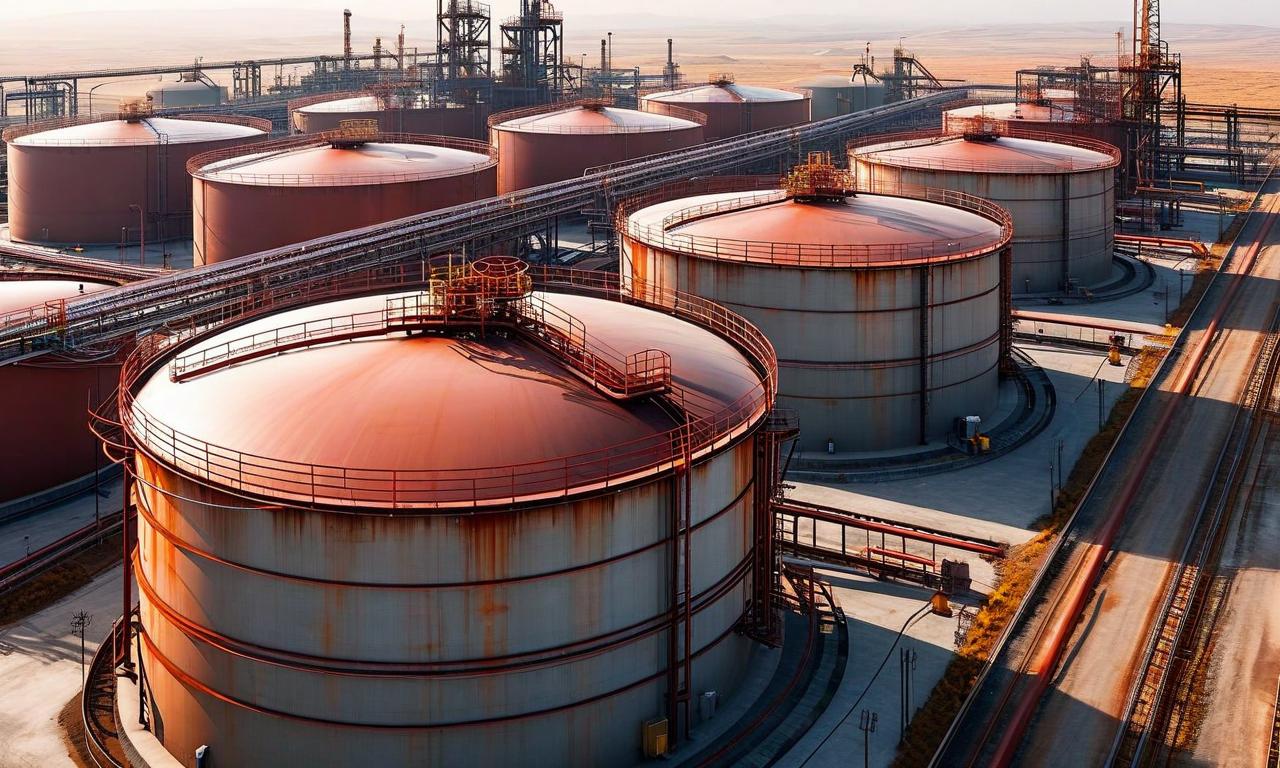
*this image is generated using AI for illustrative purposes only.
Crude oil prices on the Multi Commodity Exchange of India (MCX) gained over 1% following a rally in international energy markets that reached the highest levels since November 2025. The surge comes amid escalating tensions between the US and Iran, raising concerns about potential supply disruptions from one of the world's major oil producers.
Market Performance and Price Movements
MCX crude oil prices demonstrated strong upward momentum, trading 1.48% higher at ₹5,414.00 per barrel. International benchmarks followed suit, with Brent crude oil rising 0.78% to $64.37 per barrel and US West Texas Intermediate (WTI) crude futures gaining 0.84% to $60.00.
| Crude Oil Benchmark: | Current Price | Change (%) |
|---|---|---|
| MCX Crude: | ₹5,414.00/barrel | +1.48% |
| Brent Crude: | $64.37/barrel | +0.78% |
| WTI Crude: | $60.00/barrel | +0.84% |
Geopolitical Tensions Drive Price Rally
The price surge was primarily triggered by Trump's announcement of imposing 25% tariffs on goods from countries "doing business" with Iran. This development coincides with Iran facing significant anti-government demonstrations, prompting Trump to warn of possible military action over lethal violence against protesters.
According to Rahul Kalantri, VP Commodities at Mehta Equities Ltd, Trump's warning of potential military action has heightened concerns over Middle East stability and possible disruptions to Iranian oil exports, which represent a key component of global supply. Iran remains one of the biggest producers within the Organization of the Petroleum Exporting Countries.
Additional Supply Concerns
Beyond the US-Iran tensions, additional supply risks have emerged from Kazakhstan, where production faced impacts from adverse weather conditions, maintenance issues, and damage to Russian infrastructure linked to Ukrainian drone attacks. These factors have reinforced bullish sentiment in oil markets.
Markets are simultaneously grappling with concerns about additional crude supply potentially entering the market due to Venezuela's anticipated return to exports. Following the ouster of President Nicolas Maduro, Trump indicated that the government in Caracas is set to hand over as much as 50 million barrels of oil, previously subject to Western sanctions, to the US.
Technical Analysis and Price Outlook
Market analysts have provided specific technical levels for crude oil trading in the near term. Jigar Trivedi, Senior Research Analyst at Reliance Securities, noted that the trend for crude oil prices may remain positive for the upcoming weeks.
| Support and Resistance Levels: | MCX Crude (₹) | WTI Crude ($) |
|---|---|---|
| Support: | ₹5,350.00 | $58.00 |
| Resistance: | ₹5,800.00 | $65.00 |
Kalantri expects crude oil prices to remain volatile, providing more detailed intraday levels. For today's session, crude oil has support at $58.70-$57.80 and resistance at $60.20-$60.90. MCX crude oil shows support at ₹5,280.00-₹5,210.00 and resistance at ₹5,415.00-₹5,485.00.
Impact on Indian Economy
India's heavy dependence on crude oil imports makes the country particularly vulnerable to price fluctuations. The nation currently imports approximately 89% of its crude oil requirements, with 45-50% of crude oil and 54% of Liquefied Natural Gas (LNG) imports passing through the Strait of Hormuz.
According to estimates, every $10.00 increase in crude oil prices widens trade deficits by roughly 0.3% of GDP, creating immediate downward pressure on the rupee. This directly impacts retail inflation, with the Consumer Price Index likely to rise by 25-30 basis points.
| Economic Impact Metrics: | Details |
|---|---|
| Import Dependency: | 89% of crude oil requirements |
| Strait of Hormuz Transit: | 45-50% crude oil, 54% LNG |
| Trade Deficit Impact: | 0.3% of GDP per $10 oil increase |
| CPI Impact: | 25-30 basis points increase |
Aamir Makda, Commodity & Currency Analyst at Choice Broking, warns that the rupee, currently around ₹90.00-₹91.00 against the USD, could depreciate to ₹93.00-₹95.00 during prolonged conflict due to import-led depreciation, twin deficit threats, and RBI intervention limits. Foreign portfolio investors are likely to exit oil-sensitive sectors such as aviation and chemicals, shifting toward defensive sectors like IT and pharmaceuticals.
 17
17






 Create Custom Screeners
  Access 200+ Pre-built Filters
  Use 50+ Readymade Screener





