

Rockwell Automation joins Anthropic’s Project Glasswing for AI cyber defense


- Rockwell Automation joins Anthropic’s Project Glasswing to enhance cyber defense for industrial critical infrastructure.
- The company gains controlled access to Claude Mythos 5 to accelerate vulnerability discovery and remediation.
- Project Glasswing expanded from roughly 50 initial partners to approximately 150 additional organizations globally.
- The initiative covers critical sectors including power, water, healthcare, and communications across more than 15 countries.

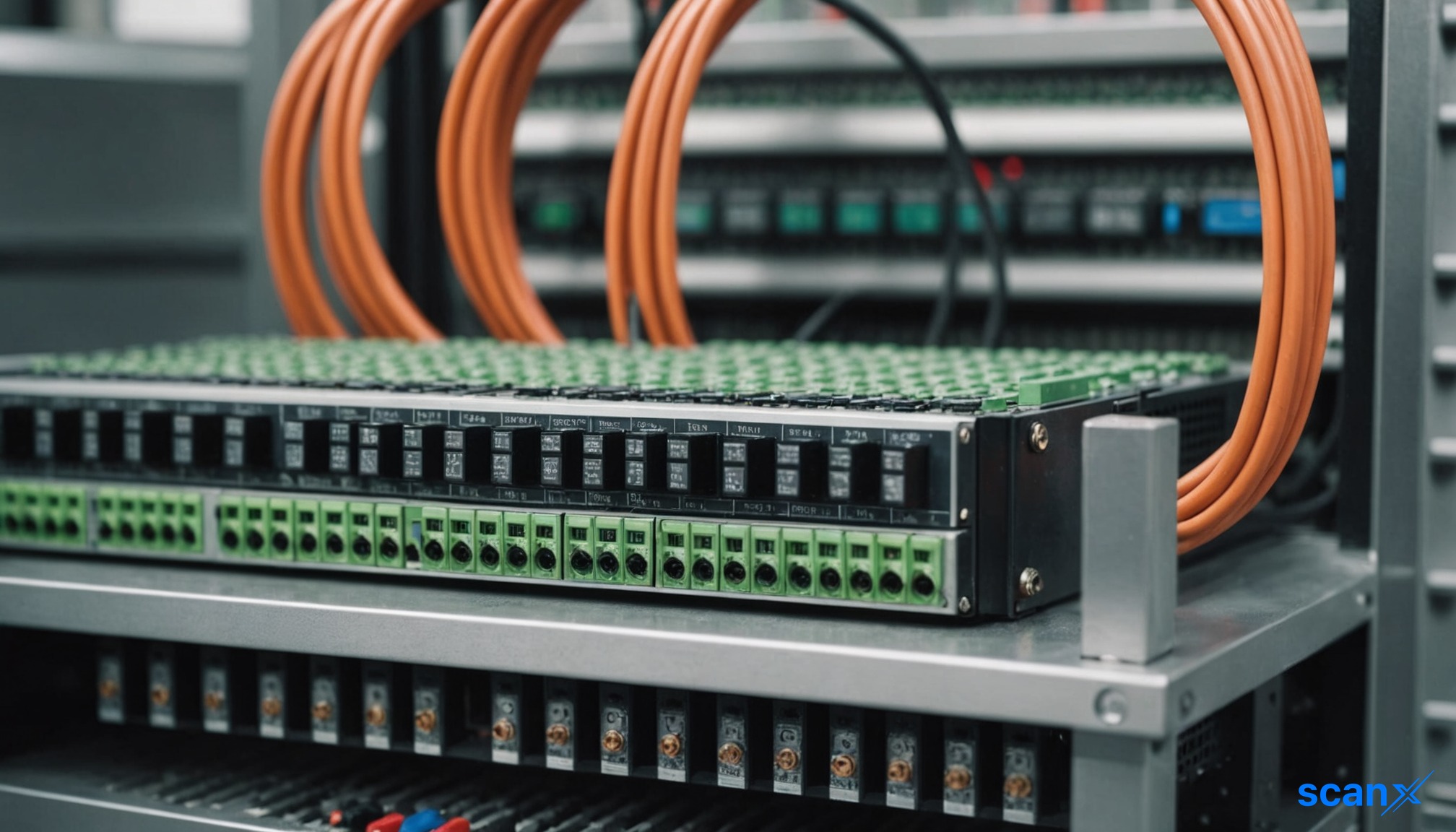

*this image is generated using AI for illustrative purposes only.
Rockwell Automation (NYSE: ROK) has joined Anthropic’s Project Glasswing, a global initiative aimed at strengthening cyber resilience across critical infrastructure through advanced artificial intelligence.
The collaboration grants Rockwell security teams controlled access to Claude Mythos 5, enabling them to accelerate the discovery, validation, and remediation of vulnerabilities in software and connected systems essential to manufacturing operations.
Strategic Focus on Industrial Security
As industrial companies increasingly connect operations, data, and production systems, cybersecurity has become integral to operational resilience. Rockwell stated that its participation reflects a commitment to secure-by-design innovation and the protection of manufacturers, supply chains, and dependent communities.
Tony Baker, vice president and Chief Product Security Officer at Rockwell Automation, emphasized the defensive application of these capabilities. "By participating in Project Glasswing, we are applying advanced AI capabilities in a controlled, defensive way to help identify and address vulnerabilities faster," Baker said.
Project Scope and Expansion
Anthropic launched Project Glasswing in April 2026 to provide approved organizations with access to Claude Mythos Preview for defensive cybersecurity work. The initiative began with roughly 50 partners and has since expanded to approximately 150 additional organizations across more than 15 countries.
These partners include entities supporting critical infrastructure in power, water, healthcare, communications, and hardware. The program aims to help defenders address flaws before exploitation while sharing learnings to improve ecosystem-wide resilience.
What the Numbers Show
The expansion of Project Glasswing from an initial cohort of roughly 50 partners to approximately 150 additional organizations indicates rapid adoption of AI-driven defensive cybersecurity measures among critical infrastructure providers. This growth underscores the increasing reliance on advanced tools like Claude Mythos 5 to manage the expanding attack surface of connected industrial systems.

How might Rockwell Automation's adoption of Claude Mythos 5 influence the competitive landscape for industrial cybersecurity vendors?
What are the potential regulatory implications for manufacturers as AI-driven defensive tools become standard in critical infrastructure protection?
Could the expansion of Project Glasswing to 150+ organizations create a new market segment for AI-specific cybersecurity consulting and integration services?
 18
18








 Access 50+ Readymade Screeners
  Use 200+ Custom Filters
  Get Full Market Insights





