News Stocks SEBI Introduces Closing Auction Session to Determine Equity Closing Prices from August 2026
SEBI Introduces Closing Auction Session to Determine Equity Closing Prices from August 2026


SEBI will implement a Closing Auction Session (CAS) from August 3, 2026, replacing the current VWAP-based closing price methodology with a 20-minute auction process running from 3:15 pm to 3:35 pm. The phased implementation will initially cover derivative-linked equity stocks before expanding to all equity securities. The new framework includes a ±3% price control band and aims to enhance transparency, improve price discovery, and reduce manipulation potential while aligning Indian markets with international best practices.


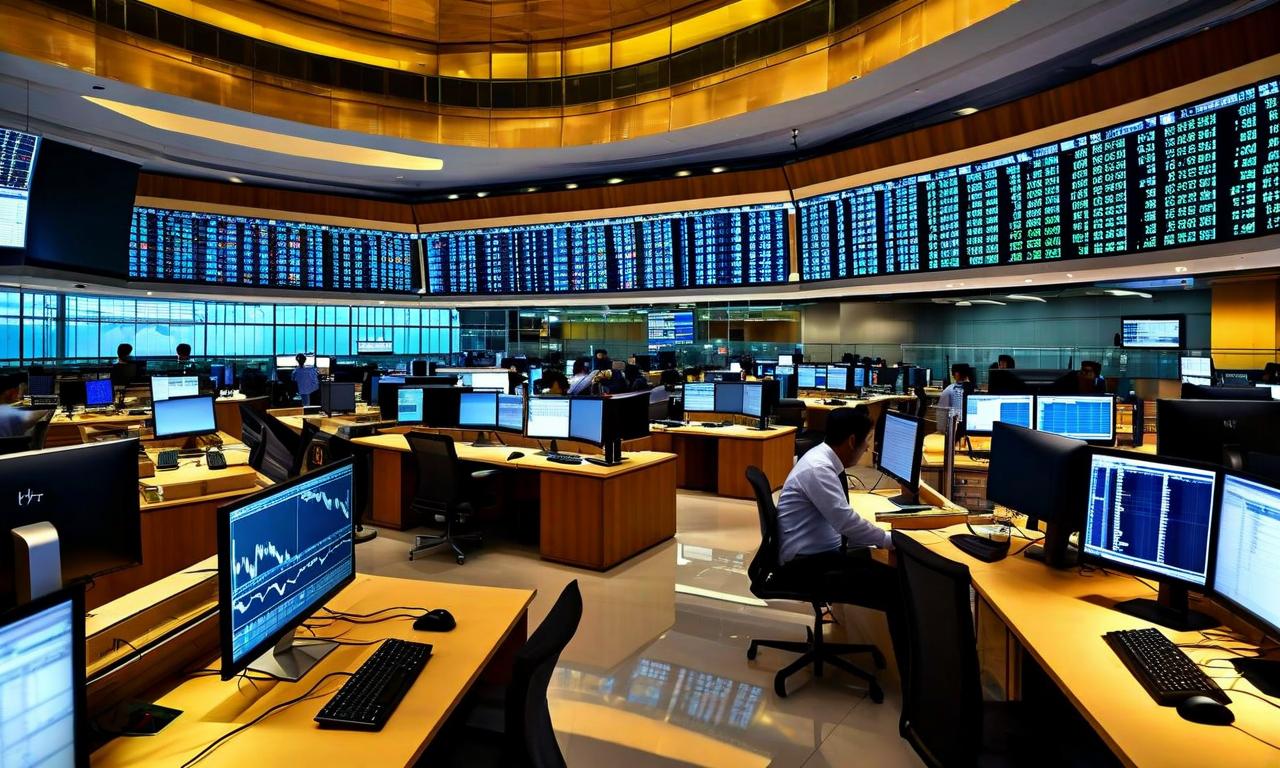
*this image is generated using AI for illustrative purposes only.
The Securities and Exchange Board of India (SEBI) has announced a significant change to how closing prices are determined in the equity markets. Starting August 3, 2026, the regulator will introduce a Closing Auction Session (CAS) to replace the current volume-weighted average price (VWAP) methodology used in the final minutes of trading.
New Auction-Based Framework
The CAS represents a fundamental shift from the existing system that calculates settlement prices based on VWAP from trades executed during the final minutes of continuous trading. This change aligns Indian markets with international best practices, as similar auction-based closing mechanisms are employed by many of the world's largest organized exchanges.
The primary objectives behind this implementation include:
- Enhanced transparency in price discovery
- More robust and efficient closing price determination
- Reduced potential for price manipulation during end-of-day trading
- Improved accuracy in derivatives settlement
Implementation Structure and Timeline
| Parameter: | Details |
|---|---|
| Session Duration: | 20 minutes |
| Timing: | 3:15 pm to 3:35 pm |
| Implementation Date: | August 3, 2026 |
| Price Control Band: | ±3% of reference price |
| Reference Price Base: | VWAP from 3:00 pm to 3:15 pm |
The CAS will operate as a standalone session, separate from continuous trading. The structure includes multiple phases: an order entry phase, followed by a random closing phase designed to prevent strategic last-minute order placement, and finally a match trading phase where transactions occur at a single equilibrium price.
Phased Implementation Approach
SEBI has designed a phased rollout to ensure orderly adoption of the new framework. Phase 1 will focus exclusively on equity stocks currently listed for derivatives trading. This targeted approach recognizes that these stocks are primarily used to compute derivative contract prices, making them the logical starting point for implementation.
The expansion to cover all other equity market stocks will occur only after the successful implementation of CAS for derivative-linked securities. This measured approach allows market participants to adapt gradually while maintaining market stability.
Trading Parameters and Controls
During the CAS, market participants will be limited to two order types: market orders and limit orders. This simplified structure aims to facilitate ease of participation and execution while maintaining orderly trading conditions.
To manage volatility, the session will incorporate a price control band of plus or minus 3% based on the reference price. This reference price will be calculated using the VWAP from trades executed between 3:00 pm and 3:15 pm during the continuous trading session.
Impact on Derivatives Settlement
The new framework promises significant improvements in derivatives settlement processes. Closing prices determined through the auction mechanism will be used to settle both stock and index derivatives, replacing prices derived from continuous trading sessions.
This change is expected to:
- Improve settlement accuracy for financial instruments
- Reduce impact of temporary price distortions
- Benefit institutional investors, index funds, and passive investment strategies
- Minimize dependency on potentially manipulated closing prices
Market Alignment and Future Implementation
The introduction of CAS represents part of a broader initiative to enhance market structure. Following the August 3, 2026 implementation of the Closing Auction Session, SEBI plans to introduce a Pre-Open Auction Session on September 7, 2026. This timeline ensures consistency in auction-based price discovery mechanisms at both market opening and closing.
The implementation of this auction-based closing process is expected to substantially improve market transparency, fairness, and efficiency by aggregating orders and determining single closing prices through the auction mechanism, while reducing the potential for manipulation during critical trading periods.
 15
15