

Indian Auto Stocks Under Pressure as Trump Announces 25% Tariff on Heavy-Duty Trucks


U.S. President Donald Trump announced a 25% tariff on heavy-duty trucks, effective October 1. This move could affect Indian auto companies like Tata Motors, Ashok Leyland, and Mahindra & Mahindra. The tariffs aim to protect U.S. manufacturers but may create export challenges for Indian firms. The Nifty Auto index closed 0.90% lower following the news, reflecting investor concerns. Uncertainties remain about the implementation and potential exemptions for U.S. allies. Indian auto companies may need to reconsider their U.S. market strategies in response to these tariffs.

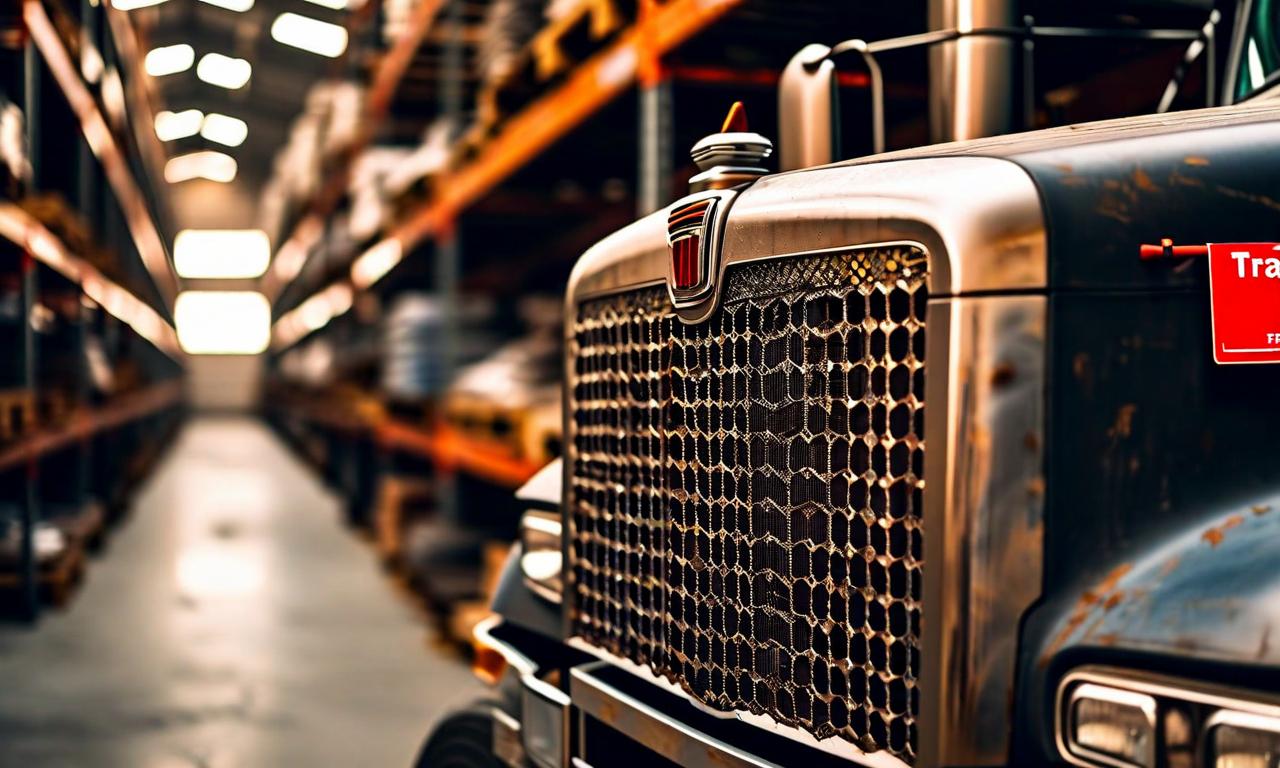

*this image is generated using AI for illustrative purposes only.
The Indian automotive sector faces potential headwinds following U.S. President Donald Trump's announcement of a 25% tariff on heavy-duty trucks, set to take effect on October 1. This development is expected to put Indian auto stocks, including industry giants Tata Motors, Ashok Leyland, and Mahindra & Mahindra, under the spotlight.
Tariff Details and Impact
President Trump unveiled a sweeping array of tariffs on various imported goods:
- 25% on heavy-duty trucks
- 100% on branded drugs
- 50% on kitchen cabinets and bathroom vanities
- 30% on upholstered furniture
The heavy-duty truck tariffs aim to protect domestic manufacturers from perceived unfair competition. This move is expected to benefit American companies such as Paccar-owned Peterbilt and Kenworth, as well as Daimler Truck-owned Freightliner.
Uncertainties Surrounding the Tariffs
The announcement has left some questions unanswered:
- Whether these new tariffs will be layered on top of existing duties
- The possibility of key U.S. allies being exempted from these tariffs
These uncertainties add to the complexity of the situation for Indian auto manufacturers and exporters.
Market Reaction
The news of the impending tariffs has already impacted the Indian stock market:
- The Nifty Auto index closed 0.90% lower prior to the tariff announcement.
- This decline suggests investor caution about the potential implications of the new U.S. trade policies on Indian auto exports.
Implications for Indian Auto Companies
While the full extent of the impact remains to be seen, the tariffs could potentially affect Indian auto companies in several ways:
1. Export Challenges
Companies like Tata Motors, Ashok Leyland, and Mahindra & Mahindra, which have been expanding their global footprint, may face increased difficulties in the U.S. market for heavy-duty trucks.
2. Competitive Disadvantage
The 25% tariff could make Indian-made heavy-duty trucks less competitive in the U.S. market, potentially leading to reduced market share or the need for price adjustments.
3. Strategic Reconsiderations
Indian auto manufacturers may need to reassess their U.S. market strategies, potentially exploring local manufacturing or assembly options to circumvent the tariffs.
As the situation develops, industry analysts will closely monitor how these Indian auto giants respond to the changing international trade landscape and the potential ripple effects on their global operations and financial performance.
Investors and industry stakeholders are advised to keep a close watch on further announcements and clarifications regarding the implementation of these tariffs, as well as any potential countermeasures or negotiations that may follow.
 15
15






 Access Market Heat-map & Insights
  Create, Save & Share your Screener
  Use 200+ Screening Filters





