

Connect Biopharma Q2 Results: Net Loss Widens To $17.3 Million


Connect Biopharma reported a Q2 2026 net loss of $17.3 million, widening from $12.9 million YoY, as R&D costs doubled to $16.3 million for Phase 2 trials. License revenue jumped to $2.8 million from a Simcere milestone. Cash reserves stand at $31.5 million, providing a runway of at least one year.

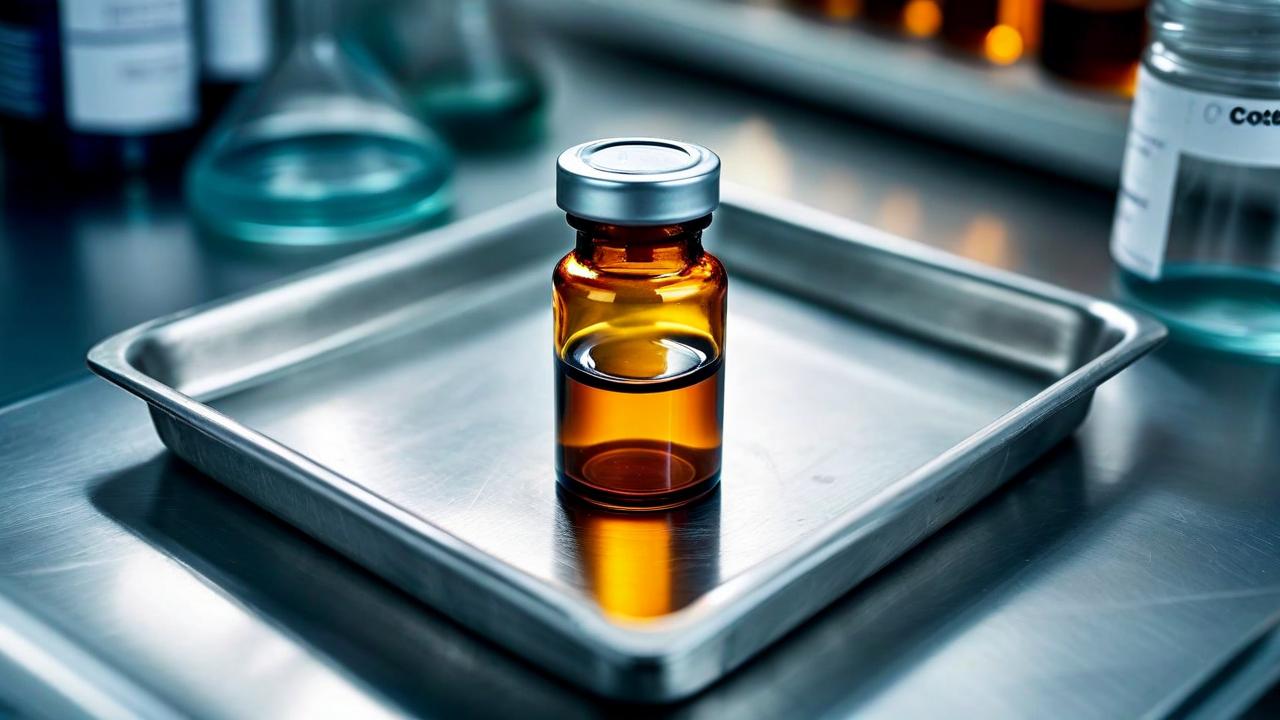

*this image is generated using AI for illustrative purposes only.
Connect Biopharma Holdings Limited (NASDAQ: CNTB) reported a widening net loss for the second quarter of 2026, driven by increased research and development expenses associated with its Phase 2 clinical trials. The clinical-stage biopharmaceutical company recorded a net loss of $17.3 million for the three months ended June 30, 2026, compared to a net loss of $12.9 million in the corresponding period of 2025.
Despite the expanded loss, the company generated significant license and collaboration revenues of $2.8 million in Q2 2026, a sharp increase from $48,000 in Q2 2025. This revenue was primarily attributed to a regulatory-based milestone payment from its partner Simcere Pharmaceutical Co., Ltd., net of development cost sharing. For the first half of 2026, total license and collaboration revenues reached $2.9 million.
Financial Performance
The company’s operating expenses rose significantly year-over-year as it advanced its lead candidate, rademikibart. Research and development expense for the quarter totaled $16.3 million, up from $8.8 million in Q2 2025. This increase was driven by costs related to the initiation of the Phase 2 Seabreeze STAT asthma and COPD studies in May 2025.
General and administrative expenses declined to $4.1 million from $4.7 million in the prior year quarter, largely due to lower professional fees following one-time costs incurred in previous periods to support U.S.-centric operational efforts. This reduction was partially offset by an increase in non-cash share-based compensation.
| Metric: | Q2 2026 | Q2 2025 | H1 2026 | H1 2025 |
|---|---|---|---|---|
| License & Collaboration Revenue: | $2.8 million | $48,000 | $2.9 million | $48,000 |
| R&D Expense: | $16.3 million | $8.8 million | $31.3 million | $15.4 million |
| G&A Expense: | $4.1 million | $4.7 million | $8.8 million | $9.5 million |
| Net Loss: | ($17.3) million | ($12.9) million | ($36.7) million | ($23.2) million |
What the Numbers Show
The financial data reveals a distinct divergence between revenue generation and operational burn. While license revenue surged due to a discrete milestone event, the underlying operating loss widened by approximately 31% year-over-year. The company’s cash position declined to $31.5 million as of June 30, 2026, down from $44.3 million at the end of December 2025. Management stated that this cash runway is expected to extend for at least one year from the date of the release, supporting continued execution of the development program without immediate need for external capital.
Clinical Development Updates
Connect Biopharma announced the completion of enrollment in both its Phase 2 Seabreeze STAT asthma and COPD studies. These trials evaluate rademikibart as an adjunct treatment for acute exacerbations in patients with type 2 inflammation. Topline results from both studies are expected in September 2026.
Following the release of these data, the company plans to engage with the U.S. Food and Drug Administration (FDA) to align on a potential Phase 3 program. Additionally, in August 2026, Connect initiated the Phase 2 Seabreeze STAT IV study, an open-label trial evaluating intravenous rademikibart in 40 participants. This study aims to bridge subcutaneous and IV administration routes for treating acute exacerbations.

How might the upcoming September 2026 topline results from the Seabreeze STAT studies impact Connect Biopharma's valuation and investor sentiment?
Given the current cash runway of approximately one year, what are the potential timelines and strategies for raising additional capital before the Phase 3 discussions conclude?
What specific efficacy or safety thresholds in the Phase 2 data would be required to secure a favorable agreement with the FDA for the proposed Phase 3 program?
 15
15








 Access Market Heat-map & Insights
  Create, Save & Share your Screener
  Use 200+ Screening Filters





