

Quick Commerce Unit Economics: Platform Revenue Models and Gig Worker Earnings Analysis


Analysis of India's quick commerce sector reveals platforms operate at 2% contribution loss on ₹600 average orders, generating ₹120 revenue against ₹132 fulfillment costs. Gig workers earn ₹16,000-31,000 monthly completing 2.3-2.5 deliveries hourly at ₹40-50 per order. Business model requires ₹750 order values for break-even, with stress testing showing vulnerability to gig worker payout increases.

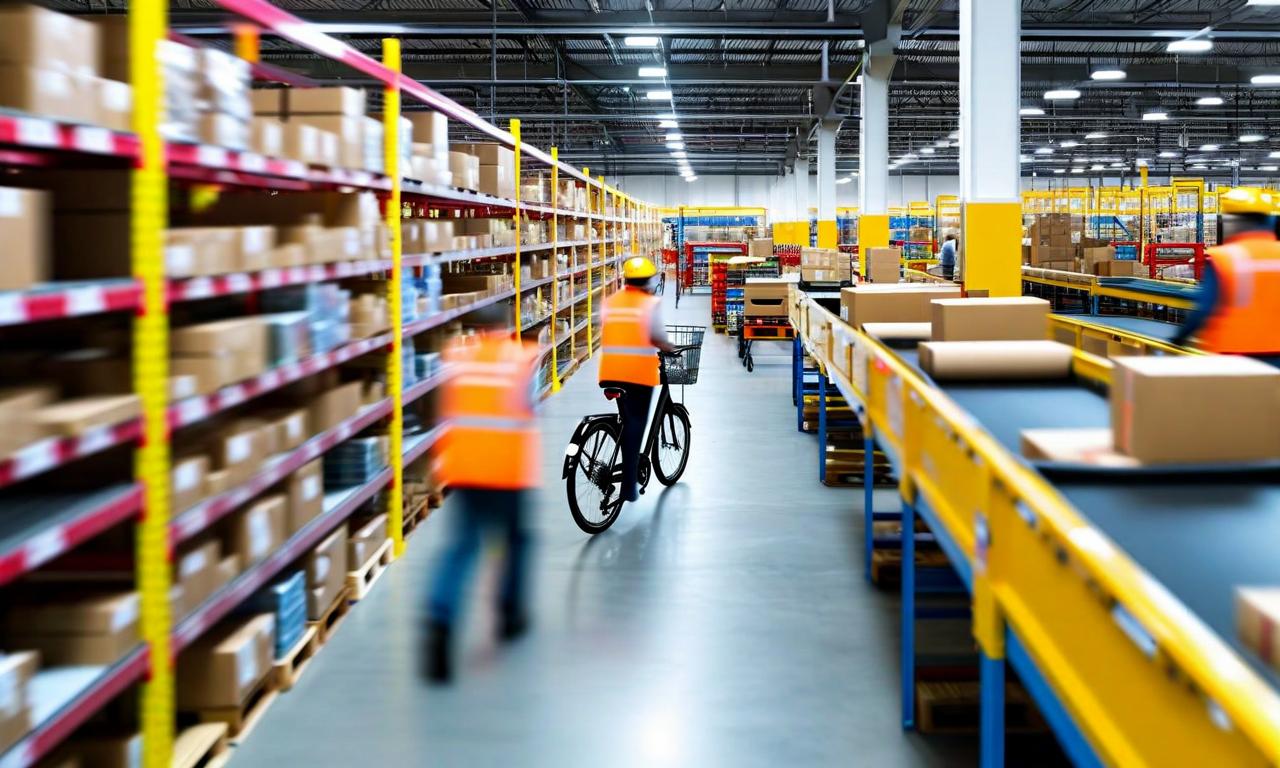

*this image is generated using AI for illustrative purposes only.
India's quick commerce sector has transformed retail consumption patterns, with gig workers forming the backbone of this ecosystem. An analysis of publicly available data and industry sources from Instamart, Blinkit, Big Basket, and Zepto reveals the complex unit economics driving this rapidly growing sector.
Platform Revenue Structure
Quick commerce platforms generate revenue through three primary channels, varying between inventory models like Blinkit and marketplace models like Instamart and Zepto. The revenue breakdown demonstrates how platforms monetize each transaction.
| Revenue Head: | Rate | Amount (₹) |
|---|---|---|
| Gross Margin/Take Rate: | 15% | ₹90 |
| Brand Commission: | 3% | ₹18 |
| Delivery & Other Fees: | 2% | ₹12 |
| Total Revenue: | 20% | ₹120 |
Based on ₹600 average order value
The gross margin or take rate, ranging between 15-18% of order value, represents the largest revenue component paid by customers before discounts. Brand advertising and product placement fees contribute an additional 3-5% of order value. Delivery and handling fees, typically 2-3% of net order value, are increasingly waived for orders exceeding ₹299 to encourage higher purchase values.
Current data from Blinkit and Instamart shows average gross order values of ₹693 and ₹697 respectively, with net order values approximately 25% lower after discounts.
Platform Cost Structure and Contribution Analysis
Fulfillment costs represent the primary expense category for quick commerce platforms, with three major components dominating expenditure patterns.
| Expense Head: | Rate | Amount (₹) |
|---|---|---|
| Dark Store Operations: | 7% | ₹42 |
| Dark Store Rent: | 4% | ₹24 |
| Rider Payout: | - | ₹50 |
| Rider Onboarding/Training: | - | ₹5 |
| Wastage/Shrinkage: | 1% | ₹6 |
| Central Support Systems: | - | ₹5 |
| Total Fulfillment Cost: | - | ₹132 |
Rider expenses, dark store operations, and rent account for 85-90% of platform fulfillment costs. The resulting contribution analysis reveals challenging unit economics at current average order values.
| Financial Metric: | Value |
|---|---|
| Average Order Value: | ₹600 |
| Revenue per Order: | ₹120 |
| Fulfillment Cost: | ₹132 |
| Contribution Profit/Loss: | ₹-12 |
| Contribution Margin: | -2% |
This approximation aligns with recent performance data, where Blinkit achieved 3.7% contribution profit margin in September 2025, while Instamart recorded a 2.6% contribution loss.
Gig Worker Economics and Earnings
Gig workers receive ₹40-50 per quick commerce delivery and ₹50-70 for food delivery orders. Despite lower per-order payments, quick commerce deliveries offer higher hourly earnings due to shorter distances and faster completion times.
| Orders/Hour: | Payout (₹) | Gross Earnings (₹) | Costs (₹) | Net Earnings (₹) | Monthly Income (₹) |
|---|---|---|---|---|---|
| 1.5 | 50 | 75 | 15 | 60 | 14,040 |
| 2.0 | 50 | 100 | 20 | 80 | 18,720 |
| 2.5 | 50 | 125 | 25 | 100 | 23,400 |
| 3.0 | 50 | 150 | 30 | 120 | 28,080 |
Based on 9-10 hours daily, 25-26 days monthly
Workers typically complete 2.3-2.5 quick commerce deliveries per hour compared to 1.8-2 food deliveries, translating to gross hourly earnings of ₹90-150. After accounting for fuel and maintenance costs at approximately 20% of gross earnings, net hourly earnings range from ₹70-120, resulting in monthly incomes of ₹16,000-31,000.
Platforms offer additional incentives including ₹50-100 bonuses for completing 10 daily orders, insurance coverage for workers and families, and flexible working arrangements that attract workers seeking higher earnings than traditional employment.
Business Model Drivers and Challenges
The quick commerce model's viability depends heavily on average order values and operational efficiency. Analysis shows break-even occurs at ₹750 average order value under current cost structures.
| Average Order Value (₹): | Contribution Margin (%) |
|---|---|
| 350 | -9.10% |
| 450 | -5.50% |
| 500 | -4.00% |
| 600 | -2.00% |
| 700 | -0.60% |
| 750 | 0.00% |
| 800 | 0.50% |
| 1,000 | 2.00% |
Platforms focus on increasing order values through wider product assortments and higher-value items while negotiating better terms with brands. Free delivery thresholds create psychological barriers but significantly impact contribution margins when set too low.
Market Stress Testing and Future Viability
The model shows vulnerability to gig worker payout increases, which are market-determined and potentially subject to regulatory changes. Stress testing reveals how payout increases affect break-even thresholds.
| Payout (₹): | ₹500 AOV | ₹600 AOV | ₹700 AOV | ₹800 AOV | ₹1,000 AOV |
|---|---|---|---|---|---|
| 40 | -2.00% | -0.30% | 0.90% | 1.80% | 3.00% |
| 50 | -4.00% | -2.00% | -0.60% | 0.50% | 2.00% |
| 60 | -6.00% | -3.70% | -2.00% | -0.80% | 1.00% |
| 70 | -8.00% | -5.30% | -3.40% | -2.00% | 0.00% |
A ₹10 increase in gig worker payouts would require average order values to rise from ₹750 to ₹800 to maintain break-even contribution margins. Further increases would push the profitability threshold to ₹1,000 average order values.
Industry Outlook
The quick commerce ecosystem demonstrates both innovation and fragility in its current form. Success depends on maintaining delicate balance between customer acquisition through competitive pricing, operational efficiency in dark store management, and fair compensation for gig workers who enable the entire system. Platforms achieving sustainable unit economics will likely emerge as long-term winners in this competitive landscape.
 20
20





 Access Market Heat-map & Insights
  Create, Save & Share your Screener
  Use 200+ Screening Filters





