Venezuelan Oil Tankers Depart in Dark Mode Amid US Sanctions and Political Transition

2 min read     Updated on 05 Jan 2026, 04:03 PM
scanx
Reviewed by
Anirudha BScanX News Team
Overview

Approximately twelve sanctioned oil tankers loaded with Venezuelan crude departed the country's waters in dark mode, potentially breaking through the US blockade that had halted oil exports since last month. The departures provide relief for PDVSA's accumulated floating storage crisis and offer crucial revenue for Venezuela's interim government led by oil minister Delcy Rodriguez following Nicolas Maduro's capture.

29154811

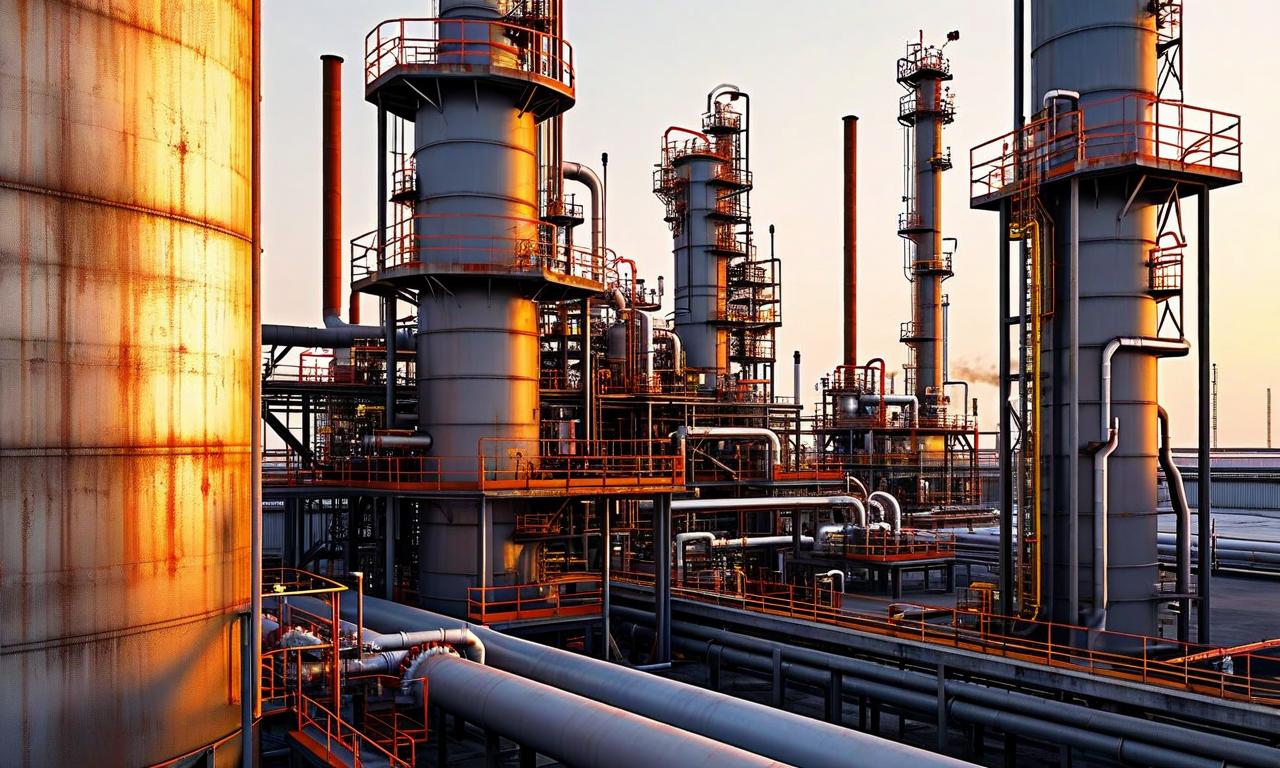
*this image is generated using AI for illustrative purposes only.

About a dozen oil tankers loaded with Venezuelan crude and fuel have departed the country's waters in dark mode in recent days, according to monitoring service TankerTrackers.com. The departures come amid intense pressure following the capture of deposed President Nicolas Maduro and appear to break through a strict US blockade that had brought Venezuela's oil exports to a standstill.

Sanctioned Vessels Clear Venezuelan Waters

All identified departed vessels operate under US sanctions, with satellite imagery confirming their movements through Venezuelan maritime boundaries. At least four supertankers received clearance from Venezuelan authorities to leave the country's waters in dark mode, according to a source with knowledge of the departure paperwork.

Departure Details: Information
Number of Tankers: About 12 vessels
Cargo Status: Loaded with crude and fuel
Sanctions Status: All vessels under US sanctions
Route: North of Margarita Island
Clearance: At least 4 supertankers officially cleared

The tankers utilized a route north of Margarita Island, briefly stopping near Venezuela's maritime border before continuing their journeys. TankerTrackers.com identified the vessels through satellite image analysis, confirming their departure from Venezuelan territorial waters.

Relief for PDVSA's Floating Storage Crisis

The departures could provide significant relief for Venezuela's state-run oil company PDVSA, which had accumulated substantial floating storage inventory during the US blockade implemented last month. The sanctions had effectively dragged the country's oil exports to a complete standstill, creating logistical challenges for the national oil company.

A separate group of sanctioned ships also left Venezuelan waters recently, though these vessels departed empty after completing import discharge operations or domestic transportation assignments. This indicates ongoing maritime activity despite the international sanctions regime.

Critical Revenue Source for Interim Government

Oil exports represent Venezuela's primary revenue source, making these departures particularly significant for the country's economic stability. The interim government, now led by oil minister and vice president Delcy Rodriguez, requires this income to finance government spending and maintain domestic stability during the political transition period.

Government Structure: Details
Leadership: Oil Minister Delcy Rodriguez
Position: Vice President and Interim Leader
Revenue Dependency: Oil exports as main income source
Priority: Financing spending and domestic stability

US Policy and Future Oil Trade

US President Donald Trump confirmed on Saturday that an "oil embargo" on Venezuela remains in full force. However, Trump indicated that under an incoming transition arrangement, Venezuela's largest customers, including China, would continue receiving oil shipments. The exact compliance status of the recent departures with US measures remains unclear, raising questions about enforcement mechanisms during the political transition period.

like20
dislike

Markets Stay Calm as Venezuela Crisis Fails to Rattle Global Equities: Ed Yardeni

2 min read     Updated on 05 Jan 2026, 11:28 AM
scanx
Reviewed by
Shraddha JScanX News Team
Overview

Market veteran Ed Yardeni observes that global financial markets have remained remarkably calm despite Venezuela crisis developments, with gold experiencing safe-haven demand while broader equities show no risk-off characteristics. He highlights energy stocks' outperformance and warns that renewed US influence assertions could trigger unintended consequences in other regions, while maintaining a constructive outlook on emerging markets including India.

29138281

*this image is generated using AI for illustrative purposes only.

Global financial markets have demonstrated remarkable resilience in the face of recent geopolitical developments surrounding Venezuela, with investors maintaining their composure despite heightened regional tensions. Market veteran Ed Yardeni from Yardeni Research observes that equities continue to hold firm while risk appetite remains largely intact, suggesting markets are focused more on fundamentals than fear.

Market Response to Venezuela Developments

Speaking to ET Now, Yardeni highlighted the selective nature of market reactions to the Venezuela situation. Gold behaved as expected during geopolitical uncertainty, with safe-haven demand driving significant price increases. Oil markets, however, surprised many observers with their muted response.

Asset Class: Market Reaction Performance Details
Gold: Strong rally Safe-haven rush drives prices higher
Oil: Minimal impact Slight uptick, no major volatility
Energy Stocks: Outperformed US energy companies led gains
Broader Equities: Resilient No risk-off characteristics observed

"Gold reacted as one would expect. A safe-haven rush into gold led to a big increase in the price of gold today, and it continues to be on a solid upward bullish trend," Yardeni noted. Energy stocks, particularly large US energy companies, outperformed as investors anticipated potential business opportunities in Venezuela's vast oil reserves.

Geopolitical Implications and Risks

While markets have remained calm, Yardeni cautioned that Washington's renewed assertion of influence in the Western Hemisphere could trigger unintended consequences elsewhere. The revival of Monroe Doctrine principles may embolden other global powers to assert their own spheres of influence.

"It will be interesting to see, now that the United States has declared that the Monroe Doctrine is back and that the Western Hemisphere is our sphere of influence. What is to keep the Chinese from saying that, if that is the case, they need to move on Taiwan?" Yardeni warned, highlighting potential escalation risks in other regions.

Commodity Outlook and Economic Resilience

Yardeni noted that commodity markets have shown mixed signals, with muted reactions reflecting uncertainty rather than complacency. He emphasized that fears around US trade tariffs have proven overstated, with both global and US economies demonstrating remarkable resilience.

Commodity: Outlook Key Factors
Oil (Brent): Potential decline to $50 Supply exceeding demand, OPEC production

Precious Metals: Continued strength Late-year rallies in copper, nickel, tin
Energy Demand: Flat trajectory China's EV shift, diversified energy sources

For oil specifically, Yardeni expects downside pressure over the next three to six months, projecting Brent crude could fall from around $60 to $50 as supply continues to outpace demand.

India's Strategic Position

Yardeni believes India remains well-positioned after a period of consolidation, suggesting the country could benefit from the evolving geopolitical landscape through cheaper oil prices and improved trade positioning. "India consolidated last year after a huge run-up, and I think India will perform well this year, as it did prior to last year," he stated.

The potential for reduced dependence on Russian crude and strengthened negotiating position with the United States could provide India with significant strategic advantages, particularly if global oil prices decline as anticipated.

like15
dislike
Explore Other Articles