

AI Investment Boom Poses Underestimated Inflation Risk for 2026, Warn Global Investors


Major financial institutions are warning that the massive AI investment boom, while driving markets to record highs in 2025, poses significant inflation risks for 2026. The multi-trillion-dollar infrastructure buildout by tech giants is driving up chip and energy costs, with Deutsche Bank projecting AI data center spending could reach $4 trillion by 2030. Early market warning signs include Oracle and Broadcom stock declines due to rising costs, while analysts expect inflation to remain above Fed targets through 2027, potentially forcing central banks to end rate cuts and triggering tech market corrections.

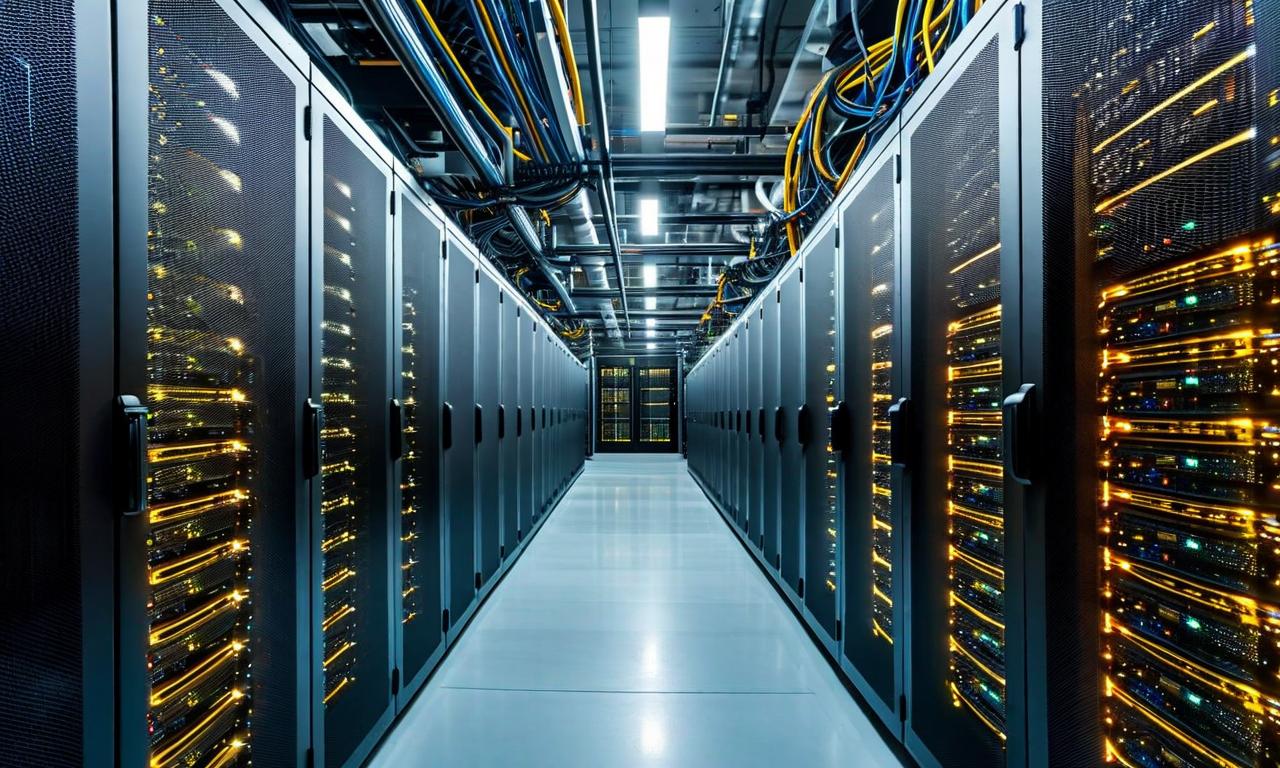

*this image is generated using AI for illustrative purposes only.
Global stock markets, riding high on AI euphoria at the start of 2026, may be disregarding one of the biggest threats that could spoil the party: a surge in inflation driven partly by the tech investment boom. U.S. stock indexes achieved double-digit gains in 2025 to hit record highs, with seven tech groups contributing half of all market earnings, while AI exuberance also propelled European and Asian equities to record peaks.
Current Market Performance and Early Warning Signs
Expectations for further rate cuts have buoyed bonds, handing U.S. Treasury investors the best annual performance for five years as inflation retreated, although it remains above the Federal Reserve's 2.00% target. However, markets have already shown early signs of nerves about rising costs and potential AI over-spending.
| Recent Market Indicators: | Performance Impact |
|---|---|
| Oracle Shares: | Plunged after revealing soaring spending |
| Broadcom Stock: | Dropped on profit margin squeeze warnings |
| HP Inc Outlook: | Expects price/profit pressure in late 2026 |
| Memory Chip Costs: | Rising due to data center demand surge |
Trevor Greetham, head of multi-asset at Royal London Asset Management, cautioned that tighter monetary policy could serve as the catalyst for a market correction. "You need a pin that pricks the bubble and it will probably come through tighter money," Greetham explained, noting he would not be surprised to see inflation booming worldwide by the end of 2026.
AI Infrastructure Driving Cost Pressures
The multi-trillion-dollar race by hyperscalers like Microsoft, Meta, and Alphabet to build new data centers represents a significant inflationary force due to the rate at which these projects are consuming energy and advanced semiconductors. Andrew Sheets, Morgan Stanley strategist, emphasized that "the costs are going up not down in our forecast, because there's inflation in chip costs and inflation in power costs."
| Key Inflation Drivers: | Impact Timeline |
|---|---|
| Chip Cost Inflation: | Rising semiconductor prices through 2027 |
| Power Cost Increases: | Energy consumption surge from data centers |
| Supply Bottlenecks: | Rapid AI infrastructure rollout straining resources |
| Labor Market Improvement: | Supporting wage growth and inflation |
Sheets projects U.S. consumer price inflation will remain above the Federal Reserve's 2.00% target until the end of 2027, partly due to heavy corporate AI investment. J.P. Morgan's Fabio Bassi indicated that improving U.S. labor market conditions, stimulus spending, and previous rate cuts would maintain inflation above target levels "regardless of the price of chips."
Financial Institutions Sound Inflation Alarm
Julius Bendikas, European head of economics and dynamic asset allocation at Mercer, which manages $683.00 billion directly and advises on $16.20 trillion, expressed significant concern about resurgent inflation risks. "What keeps us awake at night is that inflation risk has resurfaced," Bendikas stated, noting his firm is reducing exposure to debt markets that could be vulnerable to inflation shocks.
Aviva Investors identified central banks ending rate-cutting cycles or potentially hiking rates as a key market risk for 2026, as price pressures build from AI investment and waves of government stimulus spending in the U.S., Europe, and Japan.
Massive Capital Expenditure Projections
Deutsche Bank expects AI data center capital expenditure to reach $4.00 trillion by 2030, with rapid project rollouts potentially causing supply bottlenecks that could spiral investment costs. George Chen, partner at consultancy Asia Group and former Meta executive, warned that cost overruns and consumer price inflation would increase AI project expenses and prompt investor reassessment of the AI investment theme.
"Memory chip cost inflation will push up prices for AI groups, lower investors' returns and then the flow of money into this sector will reduce," Chen explained, highlighting how inflation could directly impact AI sector valuations.
Strategic Market Positioning
Kevin Thozet, investment committee member and portfolio manager at Carmignac, believes inflation risks remain "very underappreciated" as the economic growth cycle accelerates. "Inflation is what could start to scare investors and cause markets to show some cracks," Thozet noted, prompting him to increase holdings in inflation-protected Treasuries while anticipating that rising rate hike risks would reduce price-earnings valuations applied to major AI stocks.
The convergence of AI infrastructure spending, government stimulus programs across major economies, and improving economic conditions could create conditions for inflation resurgence, potentially forcing central banks to shift from rate cuts to rate stability or increases, thereby constraining the easy money flow that has fueled AI market euphoria.
 16
16






 Create Custom Screeners
  Access 200+ Pre-built Filters
  Use 50+ Readymade Screener





