NewsGlobalSaudi Arabia Hosts Major Investment Conference, Showcasing Gigaprojects and AI Ambitions
Saudi Arabia Hosts Major Investment Conference, Showcasing Gigaprojects and AI Ambitions


Saudi Arabia has initiated its Future Investment Initiative conference in Riyadh, gathering global leaders and business executives to showcase investment opportunities for its economic diversification plans. The event features prominent attendees including Chinese Vice President Han Zheng and executives from major financial institutions. Saudi Arabia reported a 24% increase in foreign investment to $31.7 billion last year. The kingdom is highlighting projects like the $500 billion NEOM futuristic city and positioning itself as a technology player with a focus on artificial intelligence. However, challenges include reported delays in key projects and economic pressures from declining oil revenues.
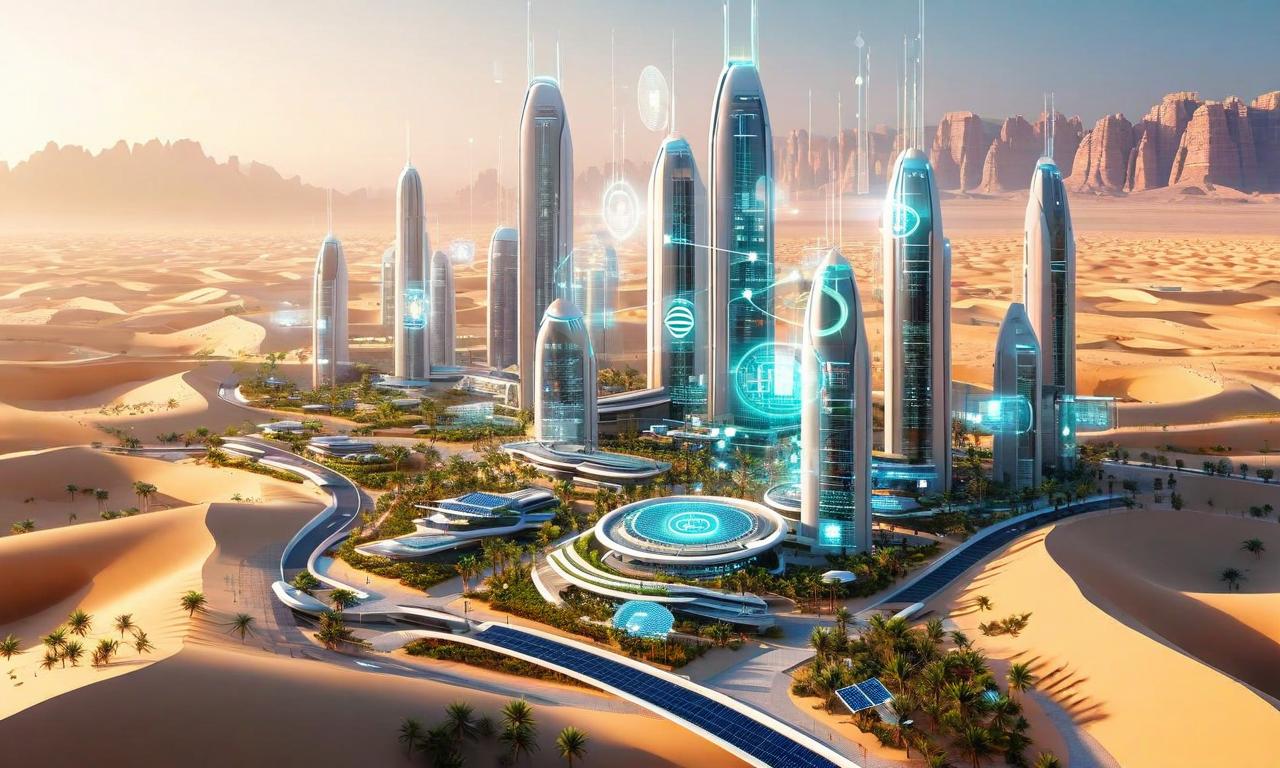
*this image is generated using AI for illustrative purposes only.
Saudi Arabia has kicked off its high-profile Future Investment Initiative conference in Riyadh, bringing together global leaders and business executives to attract investment for its ambitious economic diversification plans.
Key Highlights
- The conference features prominent attendees including Chinese Vice President Han Zheng, Donald Trump Jr., and executives from Goldman Sachs, JP Morgan, and BlackRock.
- Saudi Arabia aims to showcase investment opportunities in its economic diversification efforts, particularly in gigaprojects like the $500 billion NEOM futuristic city.
- Foreign investment in Saudi Arabia grew by 24% to $31.7 billion last year, according to Yasir Al-Rumayyan, head of the Public Investment Fund.
- The kingdom is positioning itself as a technology player, with a focus on artificial intelligence (AI).
Investment Growth and Challenges
Saudi Arabia's efforts to attract foreign investment appear to be bearing fruit, as evidenced by the significant growth in investment figures. However, the kingdom faces challenges in realizing its ambitious plans:
| Aspect | Details |
|---|---|
| Foreign Investment Growth | 24% increase to $31.7 billion in the previous year |
| Key Project | NEOM futuristic city, valued at $500 billion |
| Challenges | Reported delays, personnel changes, and design rethinks |
| Economic Pressures | Declining oil revenues and budget deficits |
Focus on Technology and AI
Saudi Arabia is making a concerted effort to establish itself as a player in the technology sector, with a particular emphasis on artificial intelligence. The Public Investment Fund's AI company, Humain, is expected to be involved in deals announced during the conference.
Diplomatic Developments
The conference precedes an anticipated visit by Crown Prince Mohammed bin Salman to the United States for a meeting with President Donald Trump. This visit follows previous Saudi investment pledges totaling $600 billion.
Conclusion
As Saudi Arabia continues its push for economic diversification and technological advancement, the success of its gigaprojects and ability to attract sustained foreign investment will be crucial in determining the kingdom's economic future. The outcomes of this conference and subsequent diplomatic engagements may provide further insights into the trajectory of Saudi Arabia's ambitious plans.
 20
20