Tata Sons' Housing and Infrastructure Units Plan ₹29 Billion Bond Issuance

1 min read     Updated on 27 Oct 2025, 04:09 PM
scanx
Reviewed by
Ashish TScanX News Team
AI Summary

Two Tata Sons subsidiaries, Tata Housing Development and Tata Realty and Infrastructure (TRIL), are preparing to raise a combined ₹29 billion ($330 million) through bond sales over the next two months. Tata Housing aims to raise ₹19 billion, while TRIL targets ₹10 billion. This marks their return to the corporate debt market after over a year. The bonds will have 2-5 year tenors, with issuance expected to conclude by December end. Tata Housing has an AA credit rating, while TRIL holds a higher AA+ rating.


powered bylight_fuzz_icon
23107154

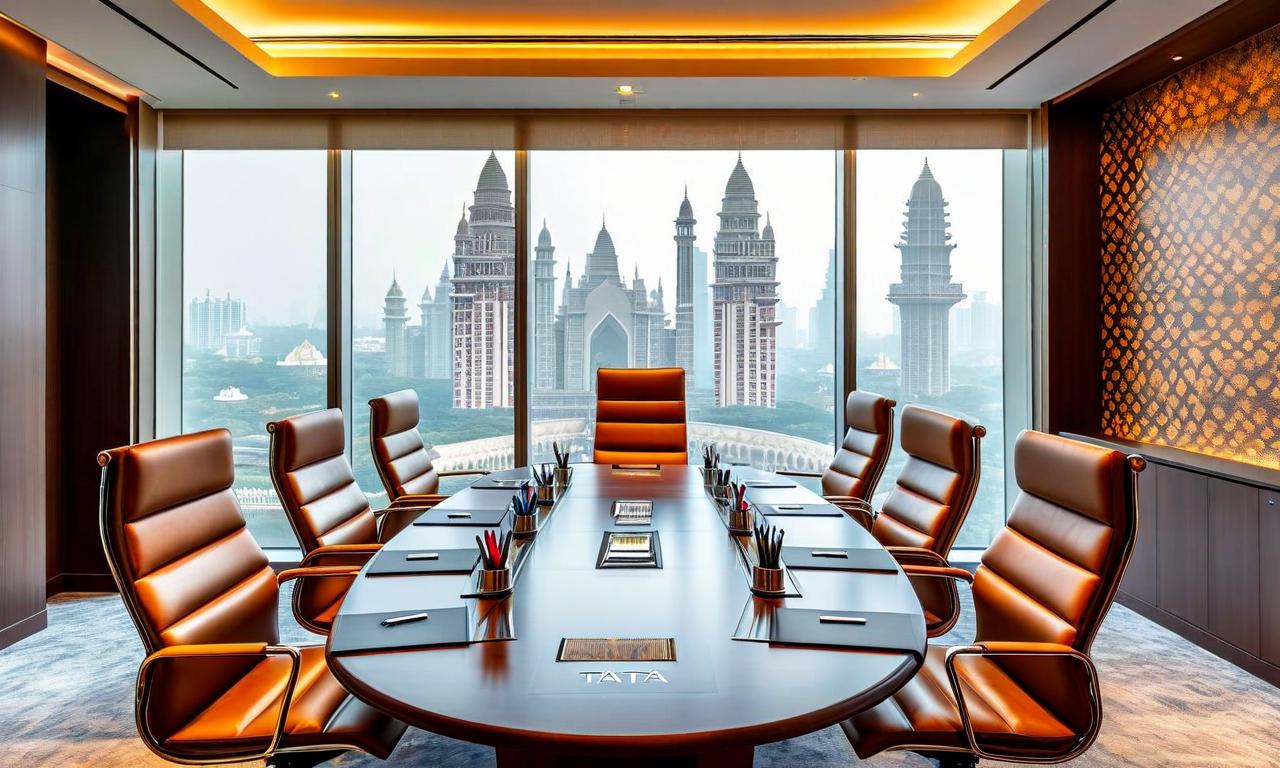
*this image is generated using AI for illustrative purposes only.

Two subsidiaries of Tata Sons are gearing up for significant bond sales, aiming to raise a combined total of ₹29 billion (approximately $330 million) over the next two months. This move marks a return to the corporate debt market for both entities after more than a year's hiatus.

Bond Issuance Details

Company Target Amount Previous Bond Issuance
Tata Housing Development ₹19.00 billion October 2022: 3-year bonds at 8.05%
Tata Realty and Infrastructure (TRIL) ₹10.00 billion June 2022: 3-year bonds at 8.15%

The planned bonds will have tenors ranging from two to five years, with the issuance expected to conclude before the end of December.

Company Profiles and Ratings

Tata Housing Development

  • Serves as the group's flagship real estate business
  • Credit Rating: AA (Care Ratings)

Tata Realty and Infrastructure (TRIL)

  • Operations span across real estate and infrastructure segments
  • Projects include roads, ropeways, and metro projects
  • Credit Rating: AA+ (higher than Tata Housing)

This move by Tata Sons' subsidiaries to raise funds through bond issuance could be indicative of their plans for expansion or refinancing existing debt. The higher credit rating of TRIL suggests a potentially stronger financial position or lower perceived risk compared to Tata Housing Development.

The return of these companies to the bond market after more than a year might also signal improved market conditions or a strategic decision to capitalize on current interest rates. Investors will likely closely monitor these bond offerings, considering the companies' credit ratings and the prevailing market conditions.

like18
dislike

Tata Trusts Extends N Chandrasekaran's Tenure as Tata Sons Chairman Until 2032, Opposes Public Listing

1 min read     Updated on 13 Oct 2025, 10:09 AM
scanx
Reviewed by
Suketu GScanX News Team
AI Summary

Tata Trusts has unanimously approved the extension of N Chandrasekaran's tenure as Tata Sons chairman until 2032, breaking the group's traditional retirement policy. This extension allows Chandrasekaran to serve beyond the age of 65, a first for the conglomerate. His current term ends in February 2027, and the extension will see him at the helm until he's 70. In a related development, Tata Trusts opposes the public listing of Tata Sons, citing concerns over dilution of control and changes in governance structure.

powered bylight_fuzz_icon
21872412

*this image is generated using AI for illustrative purposes only.

In a significant move that breaks from tradition, Tata Trusts has unanimously approved the extension of N Chandrasekaran's tenure as Tata Sons chairman until 2032. This decision marks a departure from the Tata Group's long-standing retirement policy, allowing an executive to serve beyond the age of 65 for the first time in the conglomerate's history.

Key Details of the Extension

Aspect Details
Current Term Ends February 2027
Extended Until 2032
Age at End of Extended Term 70 years

Breaking Tradition

This extension is noteworthy as it represents a significant shift in the Tata Group's approach to leadership tenure:

  • It's the first instance of the group allowing an executive to continue beyond the age of 65.
  • Chandrasekaran will be 65 when his second term concludes in February 2027.
  • The third term extension will see him at the helm until he reaches 70 years of age.

Strategic Implications

The decision to extend Chandrasekaran's tenure appears to be part of a broader strategy by the Tata Group:

  1. Leadership Continuity: Ensures stability and continuity in key leadership positions within the group.
  2. Long-term Vision: Allows for the consistent implementation of long-term strategies and initiatives.
  3. Expertise Retention: Retains Chandrasekaran's experience and expertise for an extended period.

Decision-Making Process

It's worth noting that this extension was not a topic of discussion during the recent Tata Trusts meeting held on Friday. The unanimous approval suggests a high level of confidence in Chandrasekaran's leadership among the trustees.

Tata Trusts Opposes Public Listing

In a related development, Tata Trusts, which holds a 66% controlling stake in Tata Sons, has expressed opposition to a potential stock market listing of Tata Sons. The philanthropic body relies on Tata Sons dividends for its charitable funding and wishes to maintain its current governance structure.

Key points regarding the opposition to public listing:

  • A listing would dilute the Trusts' control, including their board appointment powers and strategic decision-making authority.
  • The Reserve Bank of India (RBI) has classified Tata Sons as an 'Upper-Layer' Non-Banking Financial Company, mandating public listing by September.
  • Tata Sons has sought to de-register as a Core Investment Company to avoid mandatory listing, with the RBI's decision still pending.
  • Tata Trusts fears that public listing would impose stricter governance rules, create takeover risks, and erode veto rights.
  • There are concerns that listing could potentially give the minority Shapoorji Pallonji (SP) Group greater influence through majority-of-minority voting provisions.

The SP Group, which holds an 18.4% stake in Tata Sons, supports the listing for liquidity to address its debt burdens and argues it would bring transparency and unlock shareholder value.

Conclusion

The extension of N Chandrasekaran's chairmanship until 2032 represents a significant shift in Tata Group's leadership approach, potentially setting a new precedent for future succession planning and leadership tenure. Meanwhile, the group faces challenges regarding the potential public listing of Tata Sons, with Tata Trusts firmly opposing such a move to maintain its control and governance structure.

like17
dislike

More News on