Retail and Apparel Sector Cautiously Optimistic About GST 2.0 Blueprint


The Indian government has proposed a simplified two-tier GST system, consolidating the current four-tier structure into 5% and 18% slabs, with an additional 40% rate for sin goods. The Clothing Manufacturers Association of India (CMAI) and Retailers Association of India (RAI) have expressed cautious optimism but raised concerns. CMAI warns about the potential impact of shifting higher-priced apparel to 18% GST and advocates for a uniform 5% rate across the textile value chain. RAI supports simplification but emphasizes the need for uniform rates within product categories. Both associations stress that the success of GST 2.0 will depend on its execution, considering factors such as pricing impact, industry competitiveness, and compliance burden.
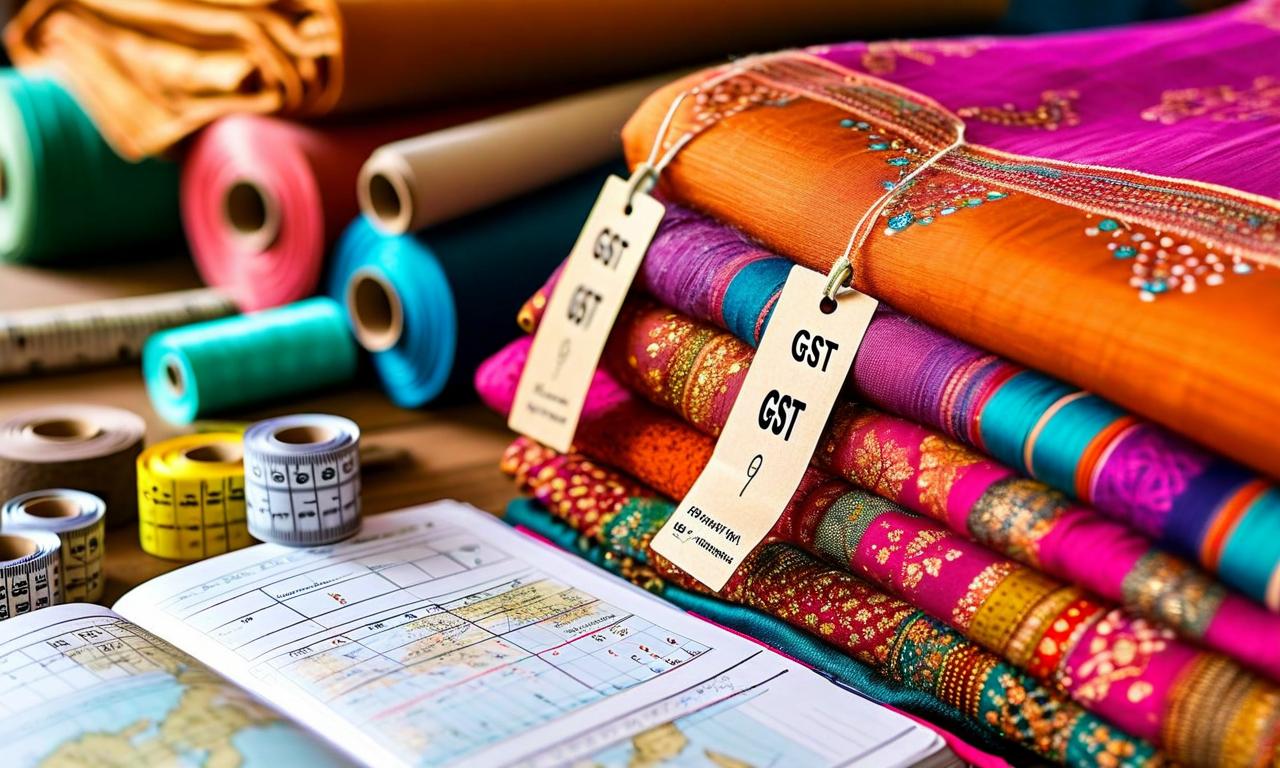
*this image is generated using AI for illustrative purposes only.
The Indian government has unveiled a blueprint for GST reforms, proposing a simplified two-tier system that has sparked both hope and concern within the retail and apparel industries. The new structure aims to consolidate the current four-tier system into two primary slabs of 5% and 18%, with an additional 40% rate for sin goods such as tobacco and aerated drinks.
Industry Reactions
The Clothing Manufacturers Association of India (CMAI) and the Retailers Association of India (RAI) have expressed cautious optimism about the proposed changes, while also highlighting potential challenges that need to be addressed for successful implementation.
CMAI's Concerns
The CMAI has raised several points of concern regarding the proposed GST reforms:
Rate Increase for Higher-Priced Apparel: The association warns that shifting apparel priced above ₹1,000 from the current 12% rate to 18% could have severe consequences for the industry.
Uniform Lower Rate Proposal: CMAI advocates for placing the entire textile value chain under the 5% slab, arguing for consistency across all price points.
Current Structure: Under the existing system, garments priced up to ₹1,000 are taxed at 5% GST, while those above this threshold attract a 12% rate.
Inverted Duty Structure: The association highlights the potential issue of an inverted duty structure, where raw materials taxed at 18% would have a higher rate than finished goods at 5%.
RAI's Perspective
The Retailers Association of India has also weighed in on the proposed reforms:
Support for Simplification: RAI generally supports the move towards a simplified tax structure.
Call for Uniformity: The association emphasizes the need for uniform tax rates across all price points within product categories to reduce compliance complexities.
Key Considerations
Both industry bodies stress that while simplification of the GST structure is welcome, the success of GST 2.0 will largely depend on its execution. The government will need to carefully consider the following factors:
- Impact on pricing and demand for apparel at different price points
- Effects on the competitiveness of the Indian textile and apparel industry
- Potential for job creation or loss in the sector
- Compliance burden on retailers and manufacturers
Conclusion
As the government moves forward with its GST reform plans, the retail and apparel sectors remain cautiously optimistic. The industry's response underscores the delicate balance required in tax policy—simplifying processes while ensuring the continued growth and competitiveness of one of India's largest employment-generating sectors. Stakeholders will be closely watching the development and implementation of these reforms, hoping for a structure that promotes both ease of doing business and industry growth.
 19
19