India Approves ₹5,500 Crore Investment for Electronics Manufacturing Projects

1 min read     Updated on 27 Oct 2025, 11:20 PM
scanx
Reviewed by
Radhika SScanX News Team
Overview

The Government of India has approved seven projects under the Electronics Manufacturing Component Scheme, with a total investment exceeding ₹5,500 crores. This initiative aims to strengthen the country's electronics manufacturing sector, potentially creating jobs, developing skills, boosting economic growth, and advancing technology in the industry. The move is part of efforts to reduce import dependency and enhance India's position in the global electronics supply chain.
23133058

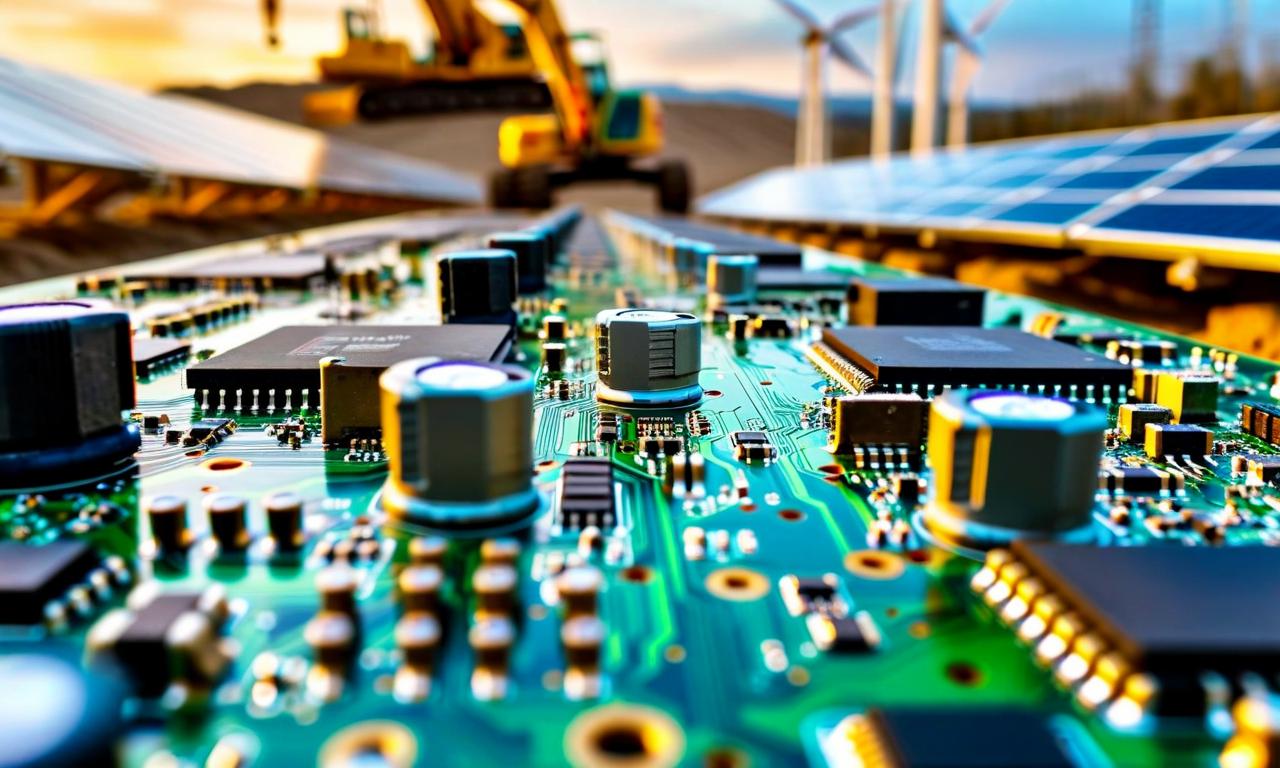
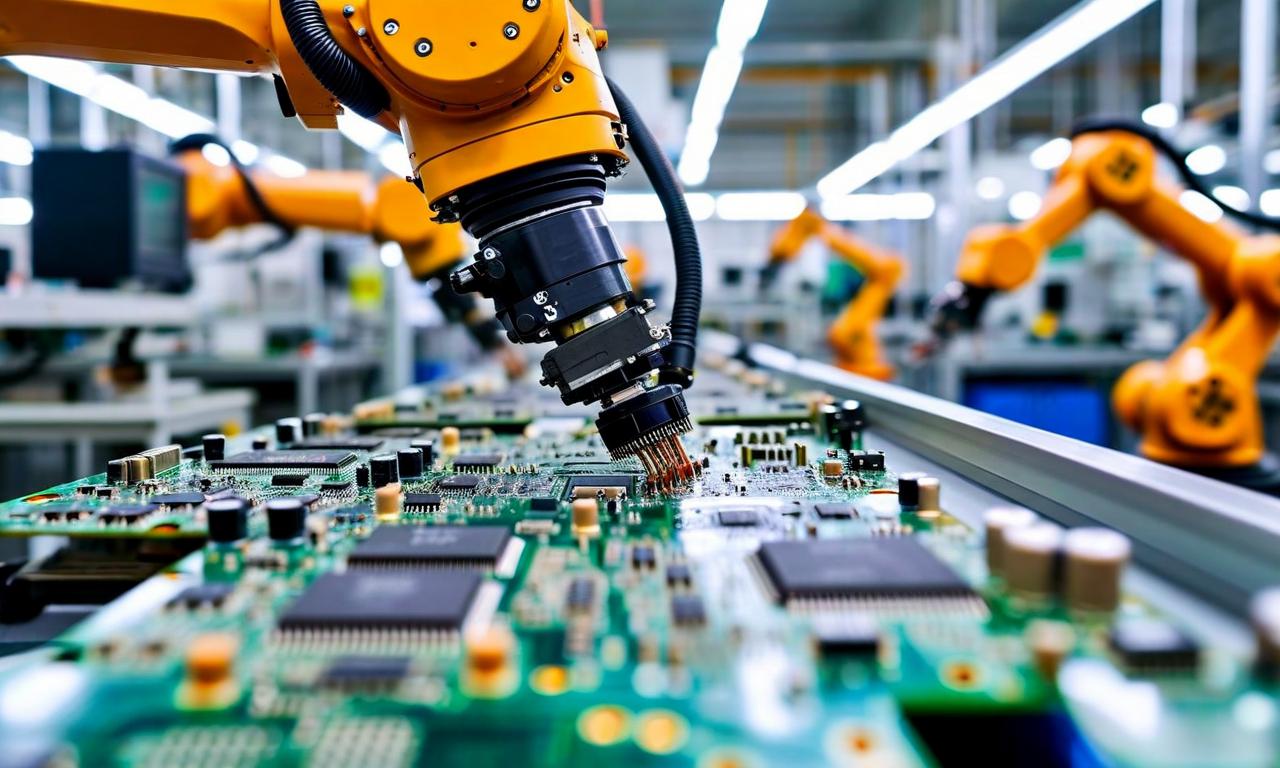
*this image is generated using AI for illustrative purposes only.

The Government of India has approved seven projects under the Electronics Manufacturing Component Scheme, representing an investment of over ₹5,500 crores. This decision aims to strengthen the country's electronics manufacturing sector.

Key Highlights

Aspect Details
Number of Projects 7
Total Investment Over ₹5,500 crores
Scheme Electronics Manufacturing Component Scheme

Government Initiative

The approval of these projects is part of a government effort to stimulate growth in the electronics manufacturing sector. By promoting domestic production, the government aims to reduce import dependency and enhance India's position in the global electronics supply chain.

Potential Impact

This investment may have several implications:

  1. Job Creation: The projects could potentially create new employment opportunities in the electronics manufacturing sector.
  2. Skill Development: Growth in the industry might lead to an increased focus on developing specialized skills in electronics manufacturing.
  3. Economic Growth: The investment could contribute to economic growth by boosting domestic production and possibly increasing exports.
  4. Technology Advancement: The initiative may encourage the adoption of advanced manufacturing technologies in the electronics sector.

Looking Ahead

While the approval of these projects is a significant step, their success will depend on effective implementation. The government's ongoing support and policy measures will be crucial in realizing the potential of India's electronics manufacturing capabilities.

The progress of these projects and their impact on India's position in the global electronics market will be important to monitor in the coming period.

like17
dislike

India Unveils Rs 7,350-Crore Plan to Boost Domestic Rare Earth Magnet Production

1 min read     Updated on 09 Oct 2025, 10:56 AM
scanx
Reviewed by
Radhika SScanX News Team
Overview

The Indian government has announced a 7-year, Rs 7,350 crore scheme to establish domestic production of rare earth permanent magnets. The initiative aims to create 5 manufacturing units, each capable of producing up to 1,200 tonnes annually, targeting a total annual production of 6,000 tonnes. The scheme offers sales-based incentives and capital subsidies to companies involved in the final three stages of production. This move addresses India's current import dependence for these critical components used in automobiles, electronics, wind energy, and defense sectors.

21533214

*this image is generated using AI for illustrative purposes only.

The Government of India has announced a significant initiative aimed at establishing domestic production capabilities for rare earth permanent magnets. This seven-year program, titled the 'Scheme to Promote Sintered Rare Earth Permanent Magnet Manufacturing in India,' comes with a substantial investment of Rs 7,350 crore.

Key Details of the Scheme

Aspect Details
Total Investment Rs 7,350 crore
Duration 7 years
Annual Production Target 6,000 tonnes
Number of Manufacturing Units 5
Production Capacity per Unit Up to 1,200 tonnes annually

Objectives and Incentives

The scheme aims to create a robust domestic manufacturing ecosystem for rare earth permanent magnets. To achieve this, the government will provide:

  • Sales-based incentives
  • Capital subsidies

These benefits will be extended to companies capable of executing the final three stages of production:

  1. Converting rare earth oxides to metals
  2. Converting metals to alloys
  3. Producing final magnets from alloys

Addressing Import Dependence

India's move comes in response to its complete reliance on imports for rare earth permanent magnets. The current scenario and future projections are as follows:

Year Annual Requirement (tonnes)
Current 4,010
2030 (Projected) 8,220

This initiative is particularly crucial given recent supply disruptions caused by China's restrictions on rare earth mineral exports.

Strategic Importance

The rare earth permanent magnets are vital components in several critical sectors, including:

  • Automobiles
  • Electronics
  • Wind energy
  • Defense

By fostering domestic production capabilities, India aims to secure its supply chain and reduce vulnerability to external market fluctuations and geopolitical tensions.

Conclusion

The Indian government's ambitious plan represents a significant step towards self-reliance in the production of rare earth permanent magnets. This move not only addresses the country's growing demand but also positions India as a potential player in the global rare earth magnet market. As the scheme unfolds over the next seven years, it will be crucial to monitor its implementation and impact on both domestic industries and international trade dynamics.

like18
dislike
More News on
Explore Other Articles