FDA Aims to Accelerate Biosimilar Approvals to Cut Drug Costs


The FDA is streamlining the approval process for biosimilar drugs to reduce pharmaceutical prices and increase market competition. Biosimilars are biological products highly similar to existing FDA-approved branded biologics. This initiative aims to make medications more affordable and accessible to patients. The move could impact pharmaceutical companies' profit margins, create opportunities for biosimilar specialists, and potentially lower prices for consumers. However, challenges remain in the complex and costly process of developing biosimilars, as well as in gaining acceptance from healthcare providers and patients.

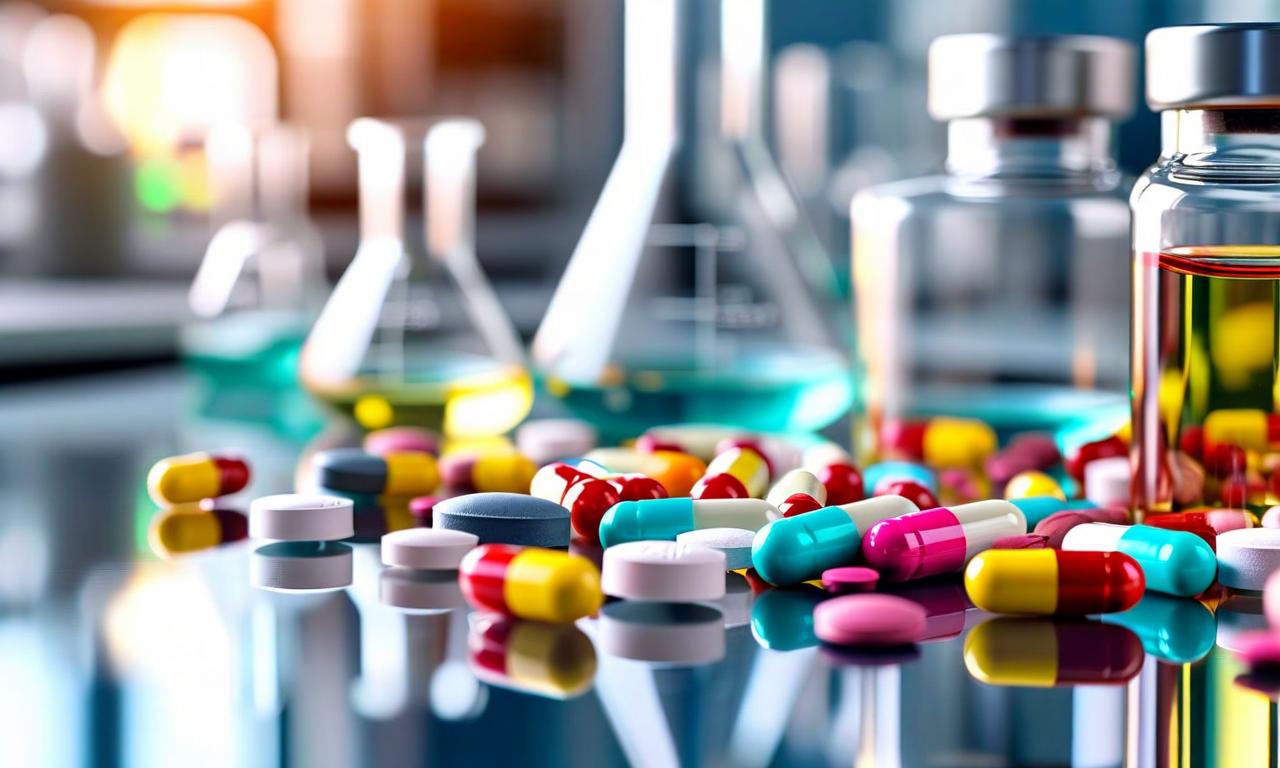
*this image is generated using AI for illustrative purposes only.
The U.S. Food and Drug Administration (FDA) is taking steps to expedite the approval process for biosimilar drugs, a move aimed at reducing pharmaceutical prices and increasing competition in the drug market. This initiative is part of a broader effort to make medications more affordable and accessible to patients.
Key Points of the FDA's Initiative
- Target: The pharma sector, specifically focusing on biosimilar drugs
- Goal: Reduce pharmaceutical prices
- Method: Faster regulatory pathways for biosimilar medications
- Expected Outcome: Increased competition in the drug market
What are Biosimilars?
Biosimilars are biological products that are highly similar to and have no clinically meaningful differences from existing FDA-approved branded biological products. They are often considered as 'generic' versions of complex biologic drugs.
Potential Impact on the Pharmaceutical Industry
This move by the FDA could have significant implications for both pharmaceutical companies and consumers:
| Stakeholder | Potential Impact |
|---|---|
| Pharmaceutical Companies | - Increased competition in the biologics market - Potential pressure on profit margins for branded biologics - Opportunities for companies specializing in biosimilars |
| Consumers | - Potentially lower prices for biologic medications - Increased access to important treatments - More options in the market |
| Healthcare System | - Possible reduction in overall drug spending - Improved affordability of complex treatments |
Challenges and Considerations
While the FDA's initiative aims to bring more affordable options to the market, it's important to note that developing and manufacturing biosimilars is a complex and costly process. The success of this initiative may depend on various factors, including:
- The ability of manufacturers to produce high-quality biosimilars efficiently
- The willingness of healthcare providers to prescribe biosimilars
- Patient acceptance and education about biosimilar drugs
As this initiative unfolds, it will be crucial to monitor its impact on drug pricing, market competition, and most importantly, patient access to vital medications.
This development underscores the ongoing efforts by regulatory bodies to balance innovation in the pharmaceutical industry with the need for affordable healthcare solutions.
 18
18