Namib Minerals H1FY26 Results: Revenue up 40%, EBITDA up 76%


- Revenue rose 40% YoY to $50.8 million, driven by a 48% jump in realized gold prices to $4,195 per ounce
- Adjusted EBITDA increased 76% YoY to $19 million, supported by lower absolute production costs
- Net loss of $4.8 million reported, primarily attributed to non-cash fair-value losses
- How Mine milling expansion commissioning expected mid-October 2026, boosting capacity by 36%
- AISC spiked to $3,078 per ounce, prompting full-year guidance revision to $2,650–$2,850 per ounce

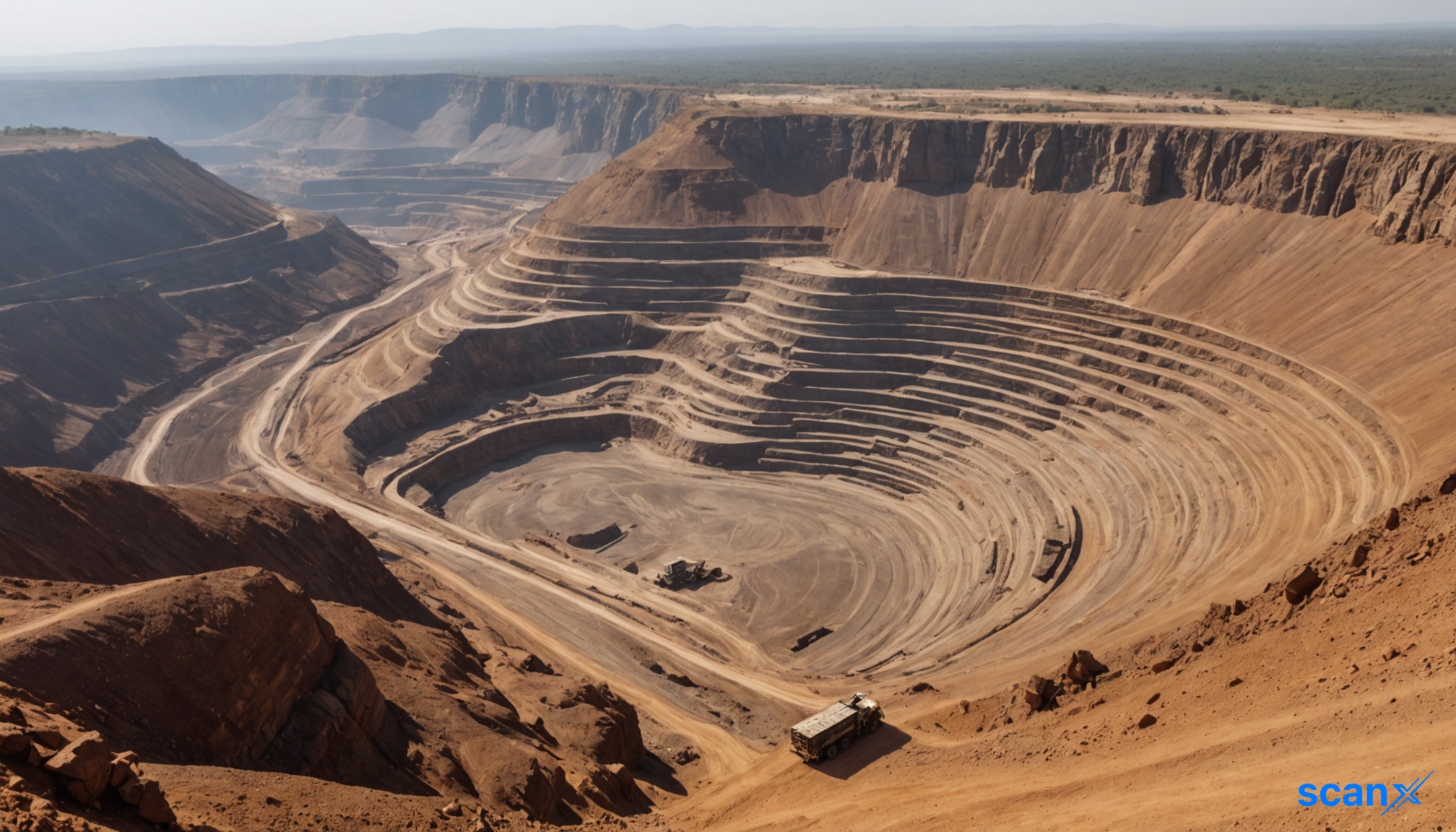

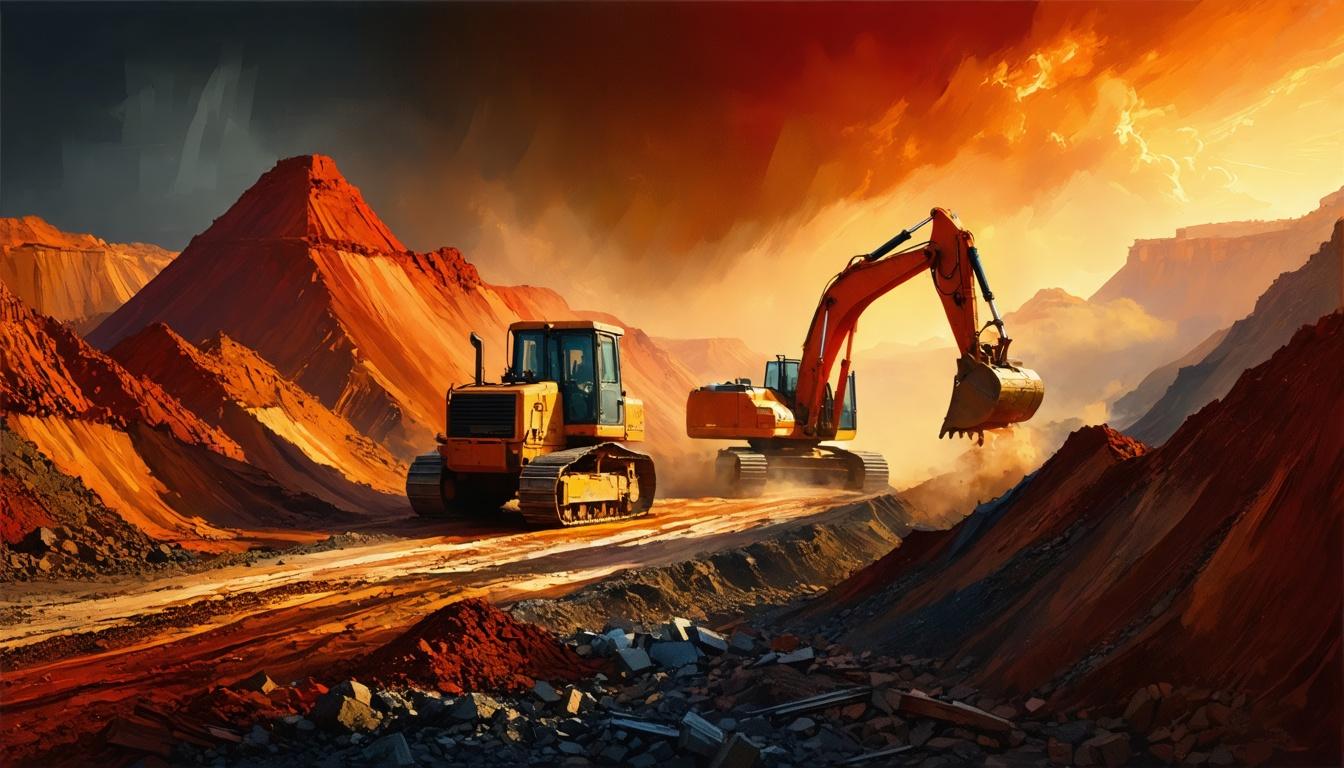
*this image is generated using AI for illustrative purposes only.
Namib Minerals (NASDAQ: NAMM) reported first-half FY26 revenue of $50.8 million, a 40% increase year-over-year, driven by average net realized gold prices rising 48% to $4,195 per ounce. Adjusted EBITDA surged 76% to $19 million, reflecting improved cost discipline across mining operations.
The results, released on October 1, 2026, highlight significant operational progress alongside balance sheet pressures. Shares of Namib Minerals rose 32.35% to $1.26 in Thursday afternoon trading following the announcement.
Operational Milestones
At the flagship How Mine facility, installation of an expanded milling plant is substantially complete. Commissioning is expected in mid-October 2026, which will increase processing capacity by 36% to 55,000 tonnes monthly.
At Redwing Mine, dewatering finished ahead of schedule on September 21, 2026. This enables a three-month restart commencing in October 2026, with initial gold production targeted by January 2027.
"The first half of 2026 was a period of both progress and continued investment," said Tulani Sikwila, Chief Executive Officer. "The company delivered a step change in underlying earnings... achieved with production costs that were lower in absolute terms than a year ago."
Financial Performance and Costs
Despite top-line growth, the company recorded a net loss of $4.8 million for the six months ended June 30, 2026. Management attributed this primarily to non-cash fair-value losses.
Cost pressures also mounted during the period. All-In Sustaining Costs (AISC) spiked to $3,078 per ounce. Consequently, management raised full-year AISC guidance to $2,650–$2,850 per ounce.
| Metric | H1FY26 | Change | Notes |
|---|---|---|---|
| Revenue | $50.8 million | +40% YoY | Driven by higher gold prices |
| Adjusted EBITDA | $19 million | +76% YoY | Improved cost discipline |
| Net Loss | $4.8 million | N/A | Driven by non-cash fair-value losses |
| AISC | $3,078/oz | N/A | Full-year guidance raised |
What the Numbers Show
The divergence between strong operational metrics and the reported net loss highlights the impact of non-cash accounting items. While revenue and EBITDA grew significantly due to price strength and cost control, the bottom line was obscured by fair-value adjustments. The decision to fund both the How Mine expansion and Redwing restart in a non-dilutive manner preserves shareholder equity, though the spike in AISC to $3,078 per ounce signals ongoing inflationary pressure on mining inputs despite the guidance revision.
Company Profile
Namib Minerals is a gold producer, developer, and explorer with operations focused in Zimbabwe. The company operates How Mine, an underground gold mine, and is actively restarting Redwing Mine. It is described as a significant player in Africa’s mining industry, driving sustainable growth and innovation across the sector.
Historical Stock Returns for Namib Minerals
| 1 Day | 5 Days | 1 Month | 6 Months | 1 Year | 5 Years |
|---|---|---|---|---|---|
| -0.74% | -11.21% | -34.62% | -55.55% | -48.30% | -97.66% |

How will the commissioning of the expanded How Mine milling plant in mid-October impact Namib Minerals' quarterly production guidance for the remainder of FY26?
Can Namib Minerals sustain its current AISC levels if gold prices correct, given that the recent 48% price surge was the primary driver of the 40% revenue increase?
What specific operational risks remain regarding the Redwing Mine's timeline to achieve initial gold production by January 2027 following the early completion of dewatering?
 19




 Access Market Heat-map & Insights
 Create, Save & Share your Screener
 Use 200+ Screening Filters