BETA Technologies Secures $1B Financing Expansion With U.S. Export-Import Bank


BETA Technologies expands its financing with the U.S. Export-Import Bank to up to $1 billion, adding $830 million to an existing $170 million deal. The funds will double manufacturing throughput, enhance vertical integration, and create hundreds of U.S. jobs.

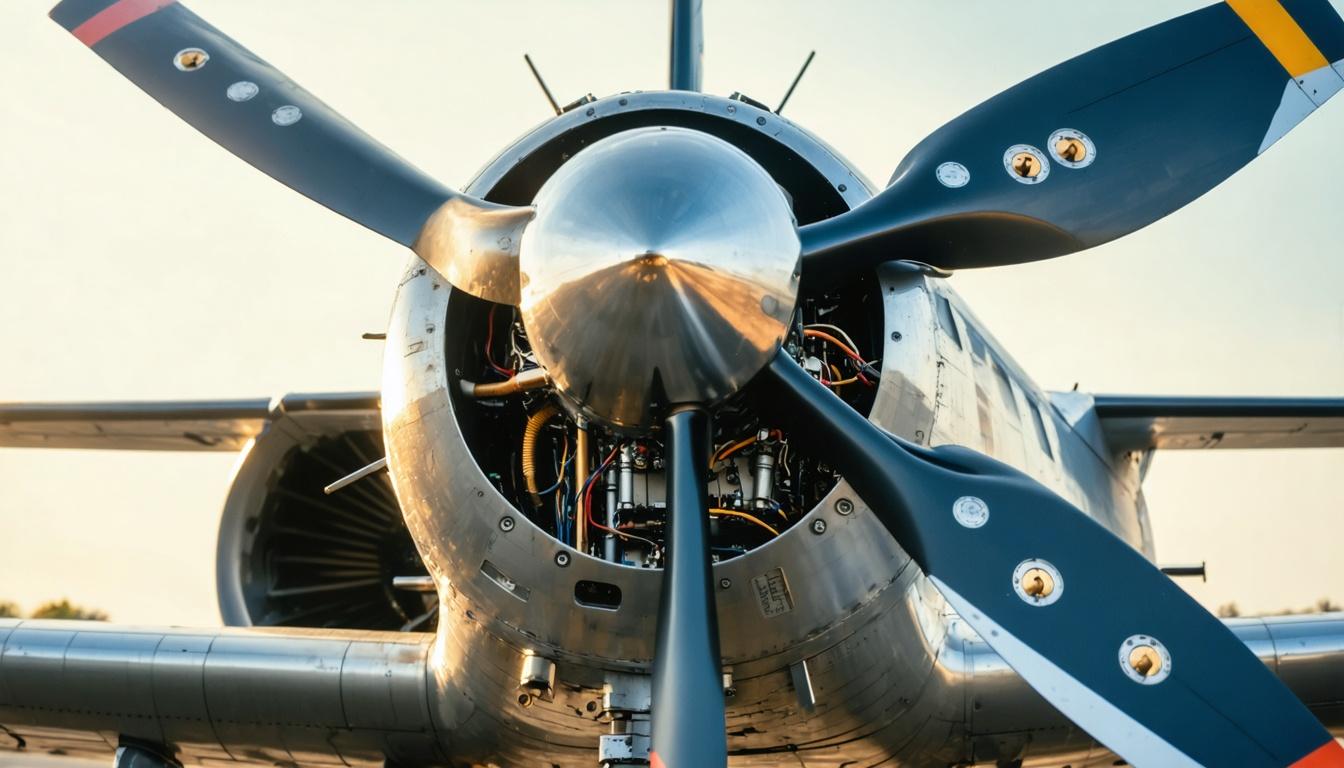

*this image is generated using AI for illustrative purposes only.
BETA Technologies, Inc. (NYSE: BETA) has secured a proposed financing expansion with the Export-Import Bank of the United States (EXIM), raising its total potential access to capital to up to $1 billion. The deal adds approximately $830 million in incremental, non-dilutive financing to the existing $170 million arrangement, providing significant liquidity to accelerate the company’s domestic manufacturing capabilities and vertical integration strategy.
The initial $170 million tranche was utilized to support the construction of BETA’s aircraft production facility in South Burlington, Vermont. The new funding structure allows for one or more additional tranches, enabling the aerospace and defense company to scale operations without diluting existing shareholders. This financial backing underscores EXIM’s confidence in BETA’s market position and its role in advancing electric aircraft technology within the United States.
Strategic Use of Proceeds
BETA intends to deploy the proceeds from the expanded financing to drive several key operational improvements. The capital will focus on enhancing vertical integration by bringing strategic aerospace manufacturing processes in-house, thereby reducing reliance on external suppliers and improving supply chain resilience.
Key initiatives funded by this expansion include:
| Initiative | Description |
|---|---|
| Vertical Integration | Bringing additional strategic aerospace manufacturing processes in-house |
| Propulsion Capacity | Increasing production capacity for electric propulsion systems and components |
| Business Scaling | Scaling propulsion business beyond current low-volume commercial shipments |
| Throughput Growth | Approximately doubling throughput across manufacturing facilities |
| Job Creation | Supporting hundreds of technical, high-quality U.S. aerospace jobs |
The company highlighted that these investments will specifically target the production of electric propulsion systems and components sold to international customers and used on aircraft worldwide. By scaling beyond its current low-volume commercial shipments, BETA aims to establish a more robust and diversified revenue stream from its propulsion business.
Operational Impact
The proposed expansion is designed to double the manufacturing throughput capacity of both propulsion systems and aircraft over the next several years. This capacity increase is critical for meeting growing demand and supporting the broader adoption of electric aviation technologies.
Furthermore, the investment will directly contribute to the U.S. labor market by creating hundreds of technical, high-quality jobs in aerospace and advanced manufacturing. This aligns with broader national goals to strengthen domestic industrial capabilities in the defense and aerospace sectors.
What the Numbers Show
The shift from a $170 million initial commitment to a potential $1 billion facility represents a substantial de-risking of BETA’s long-term growth trajectory. The non-dilutive nature of this debt financing preserves equity value while providing the capital intensity required for heavy manufacturing expansion. The specific allocation toward vertical integration suggests a strategic pivot toward controlling more of the value chain, which typically improves margin stability and supply chain security in the aerospace sector.
Historical Stock Returns for BETA Technologies - Class A
| 1 Day | 5 Days | 1 Month | 6 Months | 1 Year | 5 Years |
|---|---|---|---|---|---|
| +12.72% | +31.74% | +31.28% | +57.79% | -26.33% | -24.70% |

How might the shift toward vertical integration impact BETA's gross margins and supply chain resilience compared to its previous reliance on external suppliers?
What specific regulatory or certification hurdles must BETA overcome to scale its electric propulsion systems from low-volume commercial shipments to mass production?
Given the non-dilutive nature of this $1 billion facility, how will BETA manage its debt service obligations if the broader adoption of electric aviation slows down?
 15








 Access Market Heat-map & Insights
 Create, Save & Share your Screener
 Use 200+ Screening Filters